

The best night lotion for most people is a fragrance-free night cream that pairs a humectant such as glycerin or hyaluronic acid with ceramides and an occlusive, because barrier repair and transepidermal water loss both peak overnight. Dry skin wants a richer balm texture; oily skin wants the same actives in a gel-cream.
What is a night cream, and how does it differ from a day moisturizer?
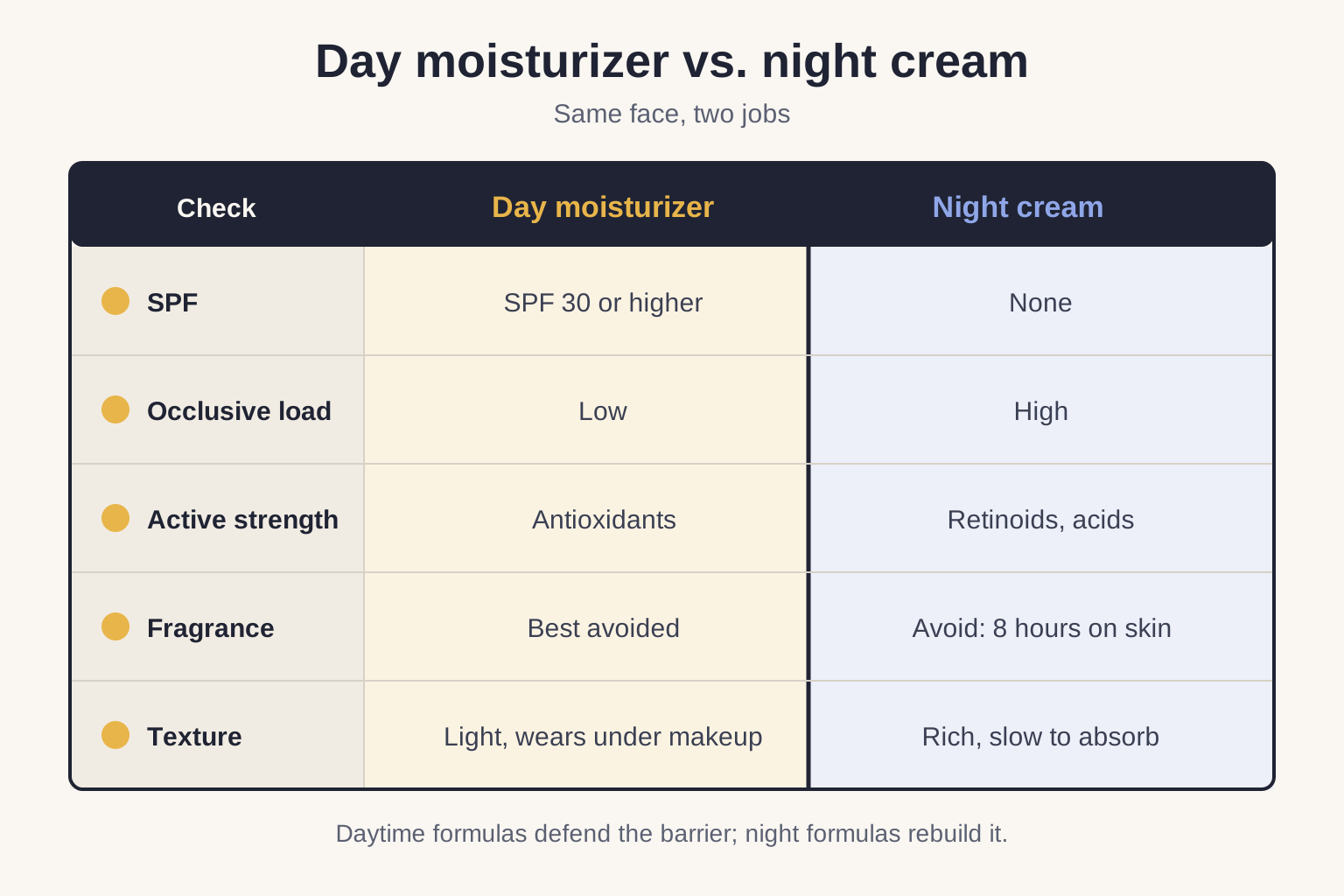
A night cream is a leave-on face cream formulated to seal in water and support barrier repair overnight, so it drops SPF and carries more occlusives than a day moisturizer. That single design choice explains almost every difference on the label.
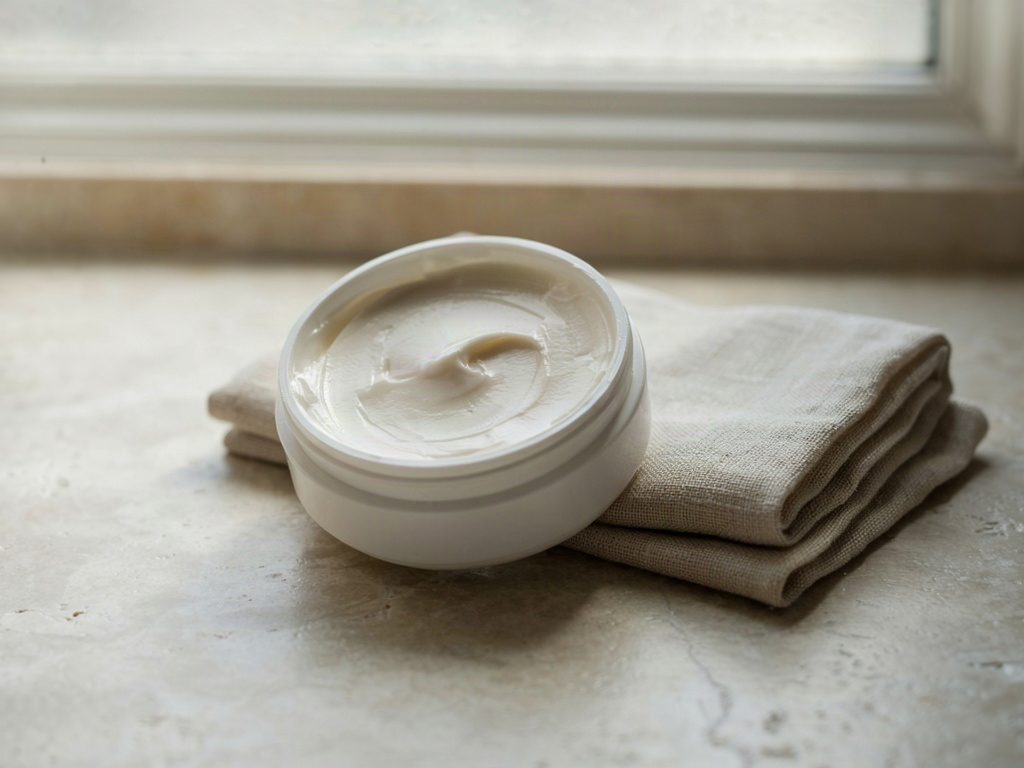
A face cream night cream has no sunscreen filters to accommodate, which frees roughly 15–20% of the formula for emollients and occlusives. A day lotion spends that space on UV filters and a fast, matte finish it can wear under makeup. Compare a night face cream with its daytime counterpart on three measurable points and the pattern holds: higher occlusive percentage, higher active concentration, and more tolerance for the richer textures nobody wants at 8 a.m.
Timing is the mechanism. Skin temperature rises about 0.5°C during sleep and transepidermal water loss peaks between roughly 11 p.m. and 4 a.m., so a night time face cream is engineered to seal rather than to shield. That is also why a retinoid belongs in the evening: it degrades in UV light and needs uninterrupted hours to work.
The order of steps matters more than the number of them, and building a skin care routine sets out where a night time moisturizer sits relative to actives.
Set expectations honestly. Over eight weeks, the best overnight cream reliably improves hydration, flaking and the look of fine dehydration lines. It will not lift sagging, shrink pores or replace a prescription retinoid.
7 checks before you buy a night cream
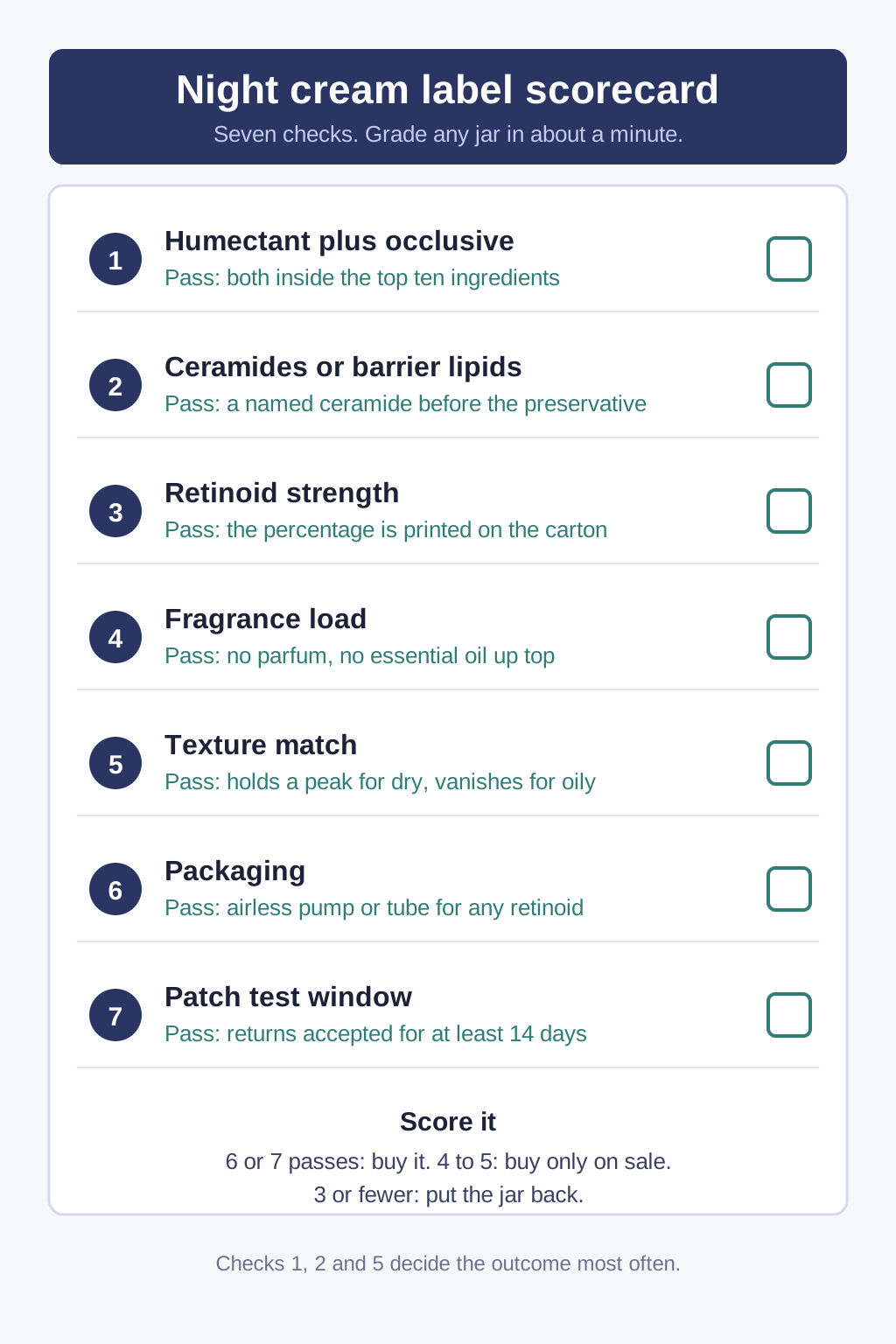
Seven label checks decide the outcome: humectant plus occlusive, ceramides, retinoid strength, fragrance load, texture match, packaging, and a patch test window. Each check carries a pass threshold, so you can grade an unfamiliar jar from its ingredient list in about a minute.
Humectant paired with an occlusive
A humectant pulls water into the stratum corneum; an occlusive stops it leaving. One without the other is why a thin gel fades in twenty minutes and a pure balm feels greasy without hydrating. Pass: glycerin, hyaluronic acid or urea in the first five ingredients, plus petrolatum, dimethicone, squalane or shea in the top ten.
Ceramides or other barrier lipids
Ceramides, cholesterol and fatty acids are the mortar between skin cells, and a damaged barrier runs short on them. A good night cream replaces what skin cannot rebuild fast enough alone. Pass: a named ceramide (NP, AP or EOP), or cholesterol plus a fatty acid, listed before the preservative.
Retinoid strength and format
Retinol at 0.25–0.5% is the beginner band; retinaldehyde converts faster; retinyl palmitate is the weakest. Strength decides your ramp-up, not the price. Pass: the percentage or the retinoid form is printed on the carton — the best night cream candidates always name the number.
Fragrance and essential oil load
Fragrance is the most common contact allergen in leave-on skincare, and a night cream sits on skin for eight hours undiluted. Pass: no parfum, no linalool, limonene or citral, no essential oil in the top half of the list. A recommended night cream may still smell faintly of its butters.
Texture matched to your skin type
Texture decides whether the jar gets finished. A balm on oily skin means 7 a.m. shine and clogged pores; a gel on cracked winter skin means morning tightness. Pass: it holds a soft peak for dry skin, or disappears in under ten seconds for oily skin.
Jar versus airless pump packaging
This is where several top night creams quietly fail. Retinoids and vitamin C oxidise in air and light, and a wide-mouth jar exposes the whole surface nightly. Pass: airless pump or tube for any retinoid, vitamin C or peptide formula; a jar is fine for a plain ceramide cream.
Patch test and ramp-up window
This check costs nothing and prevents the most expensive mistake: a full-face reaction to a jar you cannot return. Test one spot in front of the ear for five nights, then run the cream alone for two weeks before adding an acid or retinoid. Pass: a return window of at least 14 days.
The hydrating layer underneath has its own rules: hyaluronic acid serum checks.
Not sure which texture band is yours? Six questions, two minutes, your skin type.
What makes the best night cream for dry skin?
Dry skin needs a night cream layering a humectant, an emollient and a true occlusive such as petrolatum or shea, applied to damp skin within a minute of cleansing. Roughly speaking, aim for a formula where the humectant sits in the first three ingredients and the occlusive in the first eight.
If hyaluronic acid is your humectant, run through these hyaluronic acid moisturizer label checks, since that formula only works when it also seals the water in.
Dry skin rarely stops at the face, so apply the same humectant-and-occlusive label test when picking a lip balm for chapped lips.
An easy way to keep that skin damp is a humectant layer first, and these hydrating toner checks for dry skin show which formulas hold water instead of stripping it.
Raising the glycerin percentage alone backfires in dry air: glycerin with nothing sealing it can pull water out of the deeper skin and release it to the room. Petrolatum cuts water loss by up to 98% in laboratory measurement, squalane mimics skin's own lipids, and shea adds slip without a plastic film. That trio is why a night cream for dry skin outperforms a lighter lotion in winter.
Treat the symptoms separately. Flaking is dead cell buildup: use a gentle acid twice a week, then seal. Tightness is water loss: apply to damp skin. Cracking is a broken barrier: drop every active for ten days and use only ceramides and an occlusive. Those are three different best night cream for dry skin issues with three different fixes.
Some links here are affiliate links, and a purchase may earn us a commission at no extra cost to you.
The honest cost: a good night moisturiser this rich feels heavy for the first ten minutes, pills under silicone primers, and runs more per ounce than a basic lotion. Judge whether a best moisturiser for night time is working by one test only — does your face feel tight within two minutes of washing in the morning? If yes, go richer or apply to wetter skin.
Body and face differ in lipid content, and dry skin moisturizers that actually hydrate explains where the formulas diverge.
Which night cream for sensitive skin calms instead of stinging?
Sensitive skin does best on a short-ingredient, fragrance-free night cream with ceramides and no essential oils, introduced alone for two weeks before any active joins it. Remove suspects in a fixed order: added fragrance first, then essential oils, then denatured alcohol, then any acid above 5%.
Count the ingredients. A night cream for sensitive skin that works usually lists fewer than twenty, because every botanical extract blend adds several sensitisers at once for a benefit that rarely shows in a photograph. Chamomile, lavender and citrus extracts are the most frequent offenders in creams marketed as soothing, so judge a best night face cream for sensitive skin by what it omits rather than by the claim on the front.
Find the trigger with a single-variable test: two weeks on the new cream alone, changing nothing else, with a photo in the same light every third morning. Changing two products at once makes the result unreadable. Third-party marks help narrow the field, though a seal certifies the formula rather than promising your skin will tolerate it. Finding a best night time cream for sensitive skin is a process of elimination, not a single purchase.
Read the National Eczema Association Seal of Acceptance criteria before treating any seal on a carton as a guarantee.
Some links here are affiliate links, and a purchase may earn us a commission at no extra cost to you.
The tradeoff is real: a best nighttime face cream stripped back this far carries no brightening actives, so pigment and tone shift slowly or not at all. If calm skin is the goal for now, that is the right trade.
Pair the cream with skincare rules for sensitive skin so the cleanser and the actives stop undoing its work.
Does a night time cream for oily skin need to be lightweight?
Oily skin still needs an overnight moisturizer, but in a gel-cream texture with humectants and niacinamide rather than a heavy occlusive film. Oil is not hydration: sebum is lipid, and a face can be shiny and water-starved at the same time.
Texture does the work here. A gel-cream with glycerin, a light dimethicone and 2–5% niacinamide binds water and supports the barrier without the occlusive layer that triggers congestion around the nose and chin. A rich balm on oily skin usually shows up as closed comedones within three weeks.
Judge the result at 7 a.m., not at 11 p.m. A night time cream for oily skin that feels perfect at bedtime but leaves a slick forehead by morning has too much occlusive for your sebum output. Reverse the test for dryness: tightness at breakfast means you went too light.
Some links here are affiliate links, and a purchase may earn us a commission at no extra cost to you.
State the limit plainly: a top night moisturizer this light will not carry a dry patch through a cold, dry week with the heating on. Keep a heavier cream for the cheeks in winter and use the gel across the T-zone.
How do you pick the best nighttime moisturizer for mature skin?
Mature skin gains most from a nightly retinoid at 0.3 percent or lower buffered by a ceramide-rich cream, given twelve unbroken weeks and daytime sunscreen. Start at two nights a week, add a night every fortnight, and stop increasing at the first sign of flaking.
Because a nightly retinoid raises sun sensitivity, that daytime step should be a broad spectrum sunscreen with SPF 30 or higher, applied every morning.
Tone moves on a slow clock. Weeks one to four bring smoother texture and, often, mild peeling; pigment and radiance shift between weeks eight and twelve because melanin sits in cells that turn over on that schedule. Anything sold as a best night cream for bright skin that promises a week of change is describing hydration.
Layer in the right order: niacinamide and peptides can sit under the cream on the same night, vitamin C belongs in the morning where it complements sunscreen, and a strong acid never shares an evening with a retinoid. If your skin cannot take a nightly retinoid, use the sandwich method — moisturizer, retinoid, moisturizer — which lowers irritation by slowing delivery. Peeling and small bumps in weeks two and three are usually adjustment, not a reason to abandon the routine.
Use retinoid purging versus a genuine breakout to tell a normal adjustment phase from a formula your skin is rejecting.
Some links here are affiliate links, and a purchase may earn us a commission at no extra cost to you.
Check whether tonight's combination is safe before you apply it, and get an AM or PM placement for each active with the reason attached.
The honest cost: twelve unbroken weeks plus daily SPF, and most of the gain unwinds within a few months of stopping. Retinoids reward patience and punish enthusiasm in equal measure.
Strength, frequency and buffering are covered in the retinol serum guide.
For formulas built around firmness rather than tone, compare a face cream for aging skin.
How do you apply night cream so it actually works?
Apply a blueberry-sized dose of night cream to skin still damp from cleansing, within about sixty seconds, over any thin active layer and upward across the face and neck. The sixty-second rule matters because most of the water a rinse leaves on skin evaporates inside two minutes.
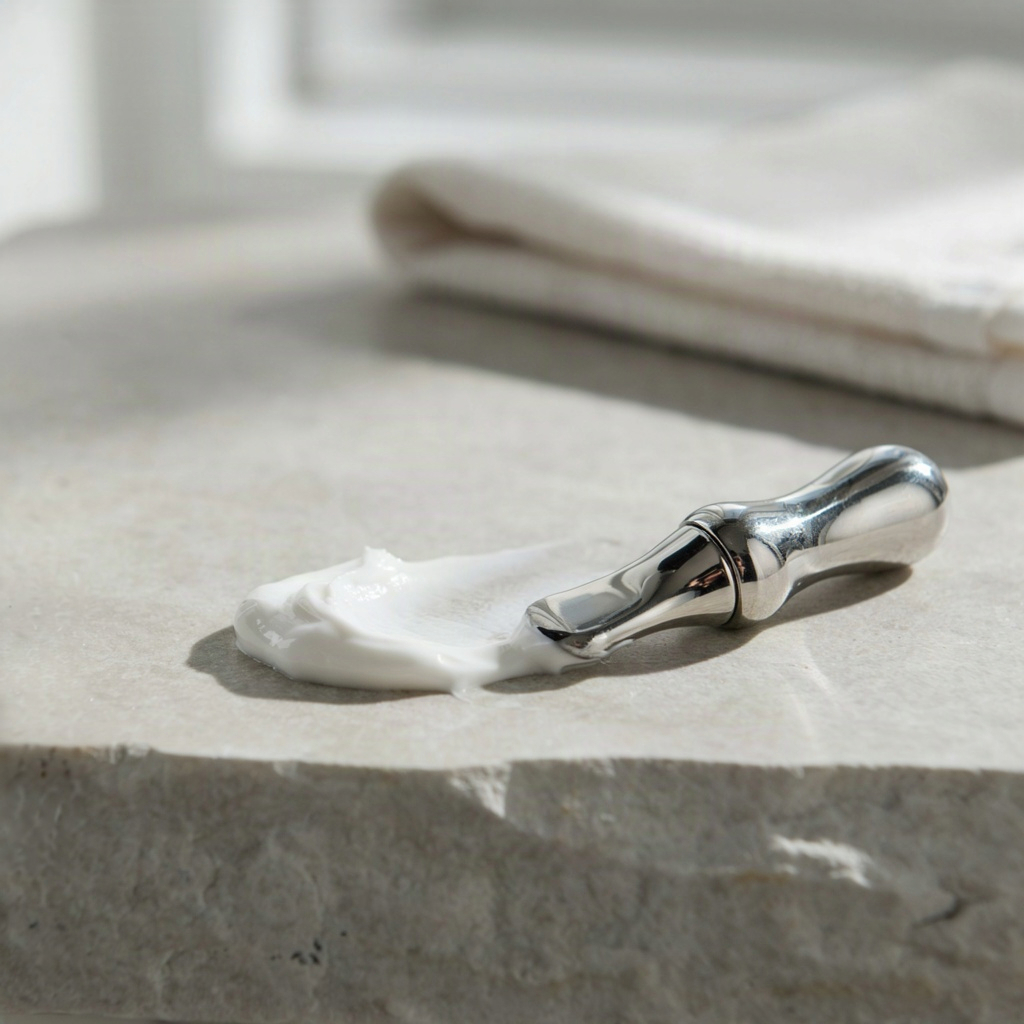
The sequence runs: cleanse with a gentle cleanser so skin feels supple rather than squeaky, press on a hydrating serum while the face is still wet, wait sixty seconds for a retinoid to absorb, then seal with the cream.
Dose and direction: one blueberry-sized amount for the face, a second for the neck and jaw, spread upward and outward with flat fingers. The single most common error is dragging the thin skin under the eyes, where a dedicated formula and a tapping motion do less damage.
The orbital area needs its own texture, which is what eye cream for creases sets out.
Environment decides how much survives until morning. A cotton pillowcase absorbs more cream than silk, bedroom humidity under 40% speeds water loss, and forced-air heating is why a night time moisturizer that worked in September fails in January. Running a humidifier at 45–55% does more for morning comfort than switching creams.
Two habits undo good technique: applying to a bone-dry face ten minutes after cleansing, and rubbing rather than pressing, which pills any silicone-based night face cream into grey flecks within thirty seconds.
Track seven evenings on one page and you will know whether a new night face cream is earning its place, with the wait times already filled in for your skin type.
Your night cream stops at the face and neck, so give lips their own overnight seal with an overnight lip mask for dry lips.
Because the skin around the eyes is thinner than the rest of the face, stop short of the orbital rim and run through the checks for a puffy eye cream before choosing a separate product there.
How much should you spend on a night cream?
Cost per night, not the sticker price, decides value: many creams under twenty dollars pass all seven label checks, while airless retinoid packaging is what genuinely costs more. Three bands cover the market, and the jumps between them are smaller than the price gaps suggest.
- Under $20: solid humectant and occlusive builds, usually in a tub, often with ceramides. Plenty of top night creams live here.
- $20–$60: better texture engineering, named retinoid percentages, airless packaging, fewer fillers.
- Over $60: stability testing, encapsulated actives, and a large share of the price in the jar and the brand.
Do the arithmetic before you judge value. Divide the price by the number of nights the jar lasts: a 50 ml pot at a blueberry-sized dose runs roughly 70 to 90 nights, so a $28 cream costs about 33 cents a night and a $95 cream about $1.20. That calculation lets a recommended night cream be compared honestly across jar sizes.
Paying more is defensible in two cases: airless packaging for a retinoid, and documented stability testing for a vitamin C blend, because both protect ingredients that degrade in weeks. It is not defensible for a plain ceramide cream. The rule that settles it is use: a best facial night cream only works on the nights you actually apply it.
The same filter applies across a routine — choosing skincare products that work is the wider version of these seven checks.
One short email a week, focused on what to do tonight rather than what to buy.
One night routine tip a week. No product dumps.
Thanks — you're on the list.


