

Dry Skin Moisturizers: How to Pick One That Works
Why Dry Skin Stays Dry, Even After You Moisturize
Dry skin is a lipid problem before it is a water problem. The outer layer of the skin holds its water with a mortar of ceramides, cholesterol and free fatty acids; when that mortar thins out, water evaporates faster than the skin can replace it, and the surface tightens within minutes of washing.
That is why dry skin moisturizers have to do three jobs at once: pull water in, smooth the surface, and slow the water leaving again. A product that only does one of them feels excellent for about an hour, which is exactly how people end up with a drawer of half-used jars.
Dermatologists call persistent dryness xerosis. Reaching for a moisturizer for xerosis is reasonable when skin is tight, dull and flaking; it stops being enough when cracks bleed, itching wakes you at night, or a patch refuses to clear after two weeks of consistent care.
Habits undo skin moisturizers for dry skin faster than any formula can compensate for. Ten minutes under hot water, a foaming cleanser used twice a day, and indoor heating at 20 percent humidity all strip lipids on a schedule. The cream is the last step in that chain, not a substitute for fixing the rest of it.
Age and season stack the odds further. Sebum output drops steadily after the mid-forties, and every 10-degree fall in outdoor temperature pulls indoor humidity down with it, so a routine that held all summer can fail in a fortnight of cold weather without anything else changing.
For a clinical summary of the everyday changes that matter most, the American Academy of Dermatology publishes dermatologists' tips for relieving dry skin worth reading before you spend anything.
The Three Ingredient Classes That Decide Whether a Formula Holds
Ingredient lists look chaotic until you sort them into three jobs. Almost every worthwhile formula is a blend of humectants, emollients and occlusives, and the balance between them is what you are actually buying.
Humectants pull water in
Glycerin, urea, hyaluronic acid and propylene glycol bind water and hold it in the upper layers. Their limitation is real: in dry indoor air, a humectant with nothing sealing it can draw moisture up from deeper tissue and lose it to the room. A hydrating moisturizer for dry skin therefore needs a sealing layer above the humectant, not humectants alone.
Emollients smooth the surface
Ceramides, squalane, shea butter and fatty alcohols slot into the gaps between dead surface cells. They change how skin feels almost immediately, which is easy to mistake for hydration. Ceramide-heavy formulas are the ones with the most supportive evidence behind them for barrier repair, and a clinical review of ceramide-containing formulations found consistent improvements in water content and barrier function across a dozen controlled studies.
Occlusives stop the water escaping
Petrolatum, dimethicone, lanolin and mineral oil form a physical brake on evaporation, and petrolatum is the benchmark the others are measured against. The cost is cosmetic: heavier finish, slower absorption, and a tendency to pill under sunscreen or makeup.
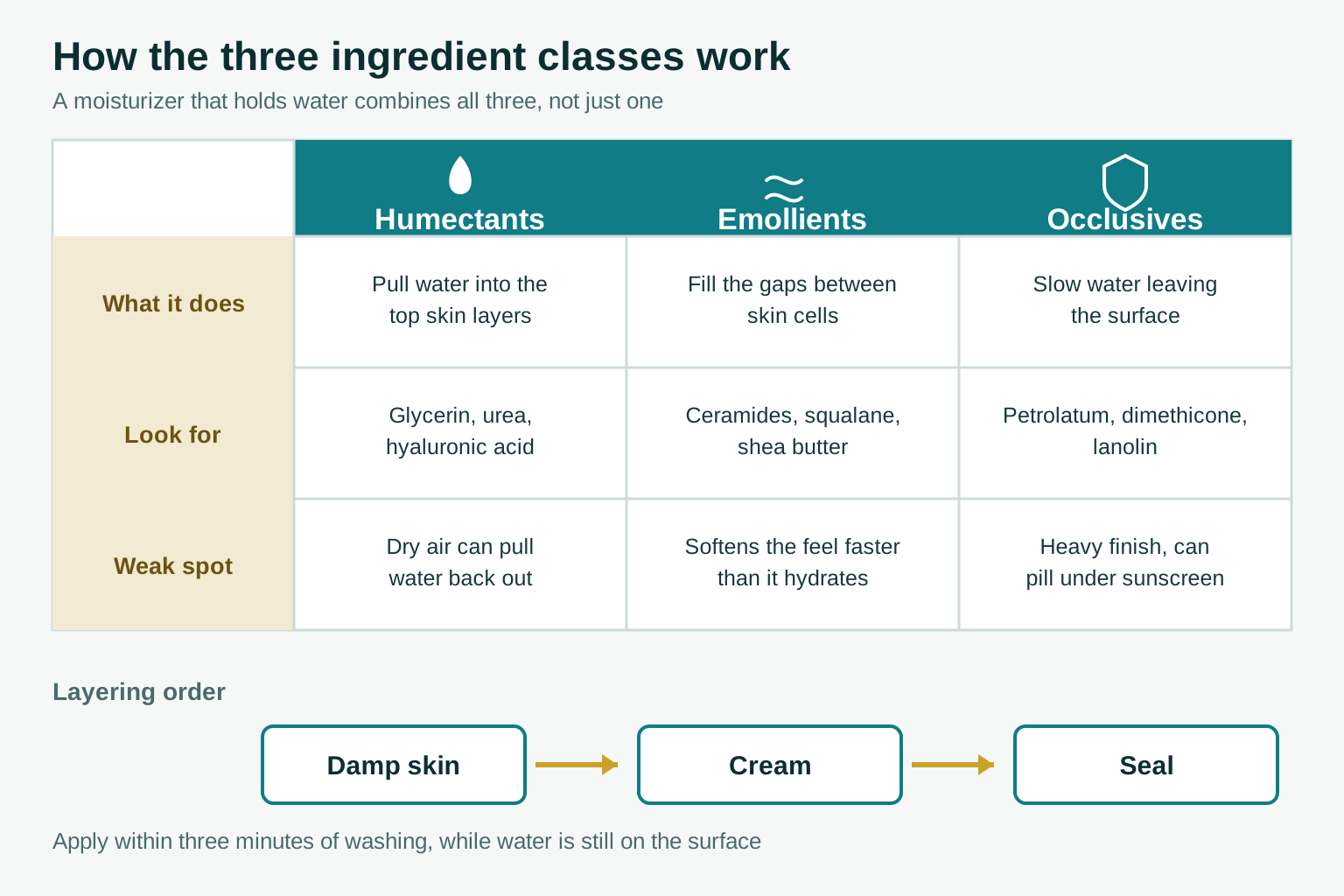
A ten-second label check settles most decisions: one humectant inside the first five ingredients, one named lipid, one occlusive, and no denatured alcohol high on the list. If you want the mechanism in more depth, the clinical reference on how humectants, emollients and occlusives actually work explains why petrolatum cuts water loss by close to 99 percent while a humectant alone cannot.
The best skin moisturizer for dry skin is usually the one combining all three classes, not the one with the longest botanical list. That also means the best moisturizer for dry skin often costs less than the marketing implies: a 15-dollar ceramide cream and a 90-dollar one frequently share the same three working ingredients.
A humectant serum layered underneath is optional, not mandatory. It gives the cream above it more water to seal, but it adds a step, adds cost, and does nothing on its own if you skip the cream afterwards.
Antioxidant support is a separate decision from hydration; if you are weighing one, our guide to vitamin C serum picks approved by dermatologists covers where it fits in a dry-skin routine.
Gel, Lotion, Cream or Ointment: Match Texture to How Dry You Actually Are
Texture is mostly a water-to-oil ratio. A gel moisturizer for dry skin sits near 90 percent water and disappears in seconds; an ointment can be 80 percent oil and still be sitting on your shins in the morning. Neither is better in the abstract - they suit different degrees of water loss.
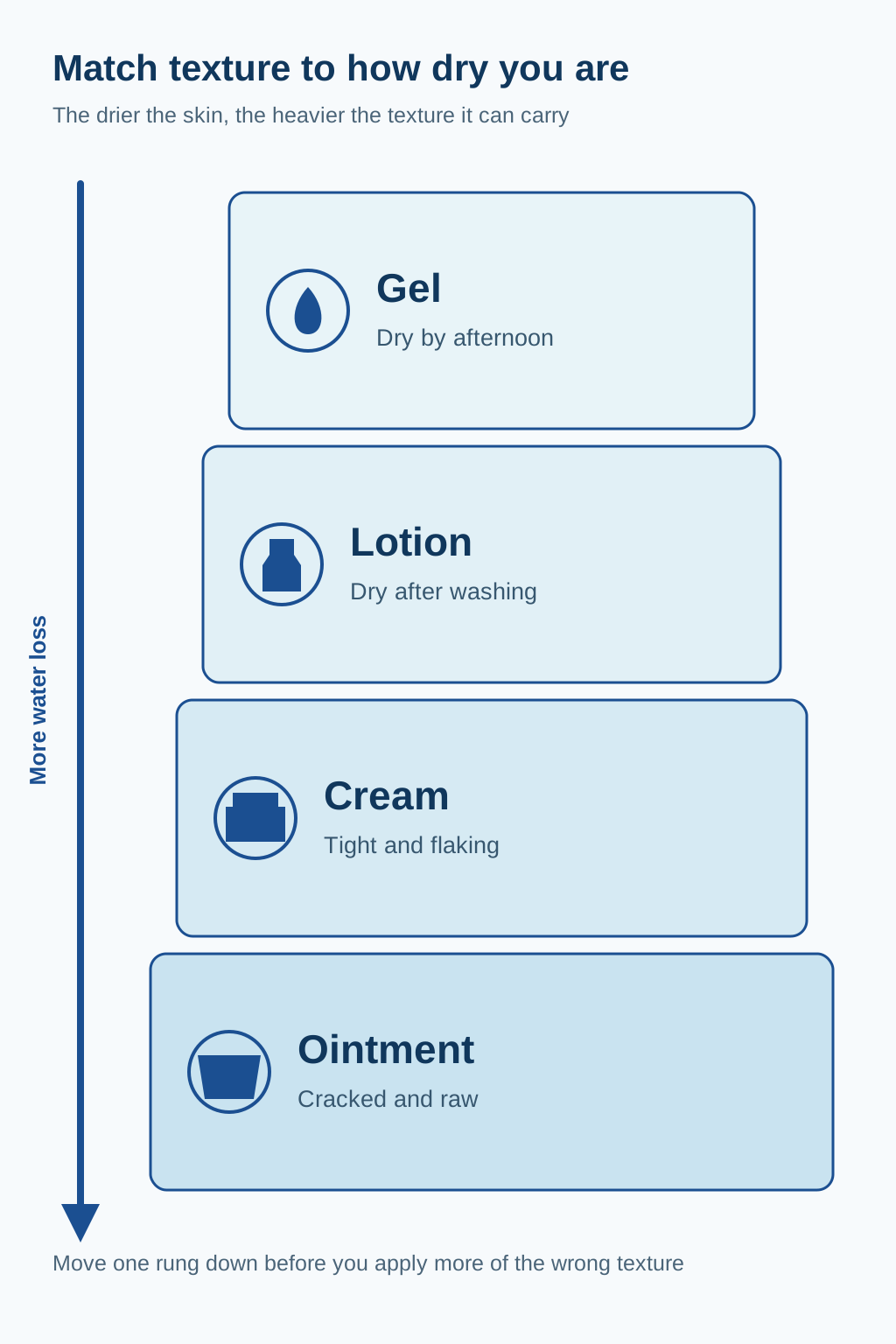
A face lotion for dry skin suits skin that only tightens by late afternoon. Skin that tightens straight out of the shower needs a cream, and in January a skin cream for dry conditions often has to move one step heavier again. Doubling up on a light product is the common mistake: two thin layers of lotion still leave less lipid behind than one layer of a rich cream.
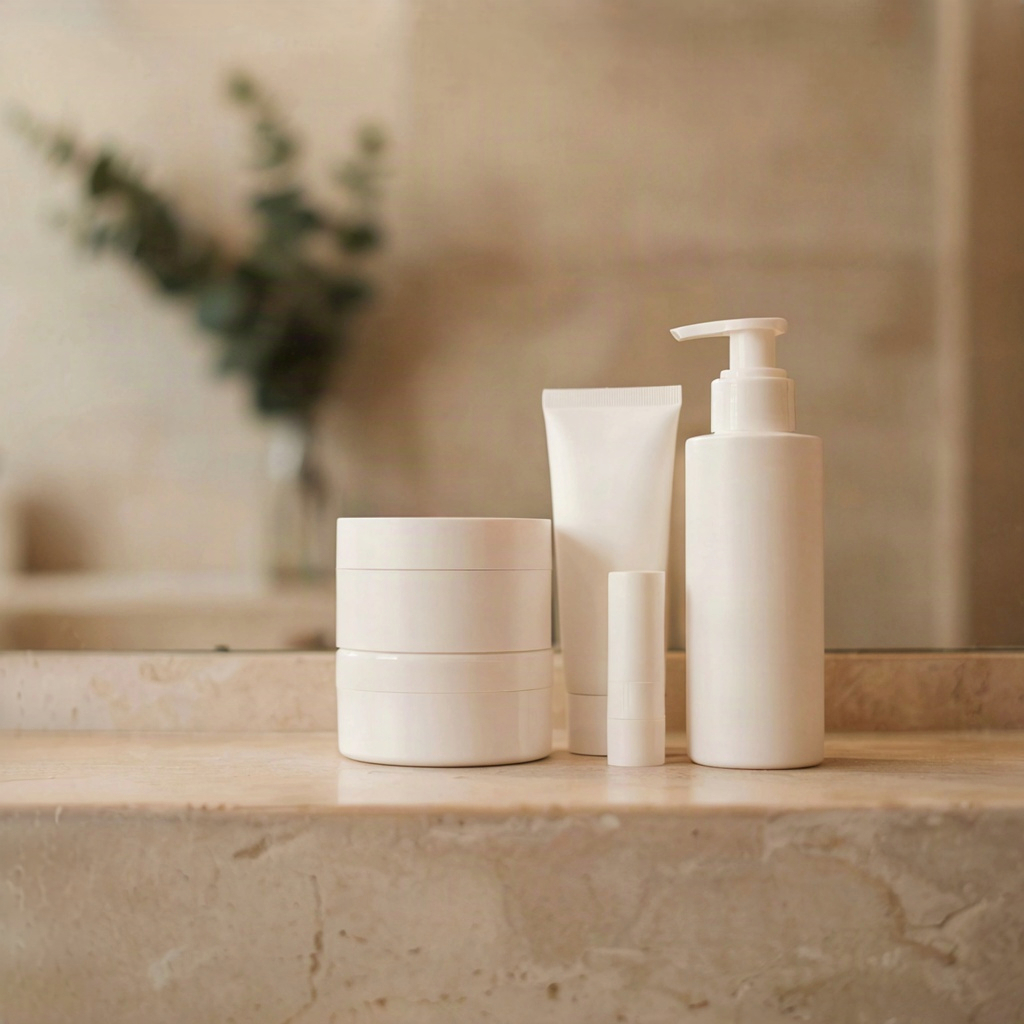
Packaging predicts both texture and hygiene. A wide jar holds the heaviest balms but invites finger contamination, so use a clean spatula; a pump protects preservative-light formulas but cannot dispense anything genuinely thick.
A skin cream for dry skin that pills under sunscreen is usually a silicone-and-polymer clash rather than a bad product. Change the order or wait 90 seconds between layers before you replace it.
To judge the best skin cream for dry skin in a store, press a pea-sized amount onto the back of your hand and wait 60 seconds. If the skin still looks matte and slightly cushioned rather than shiny, the ratio is right for daytime; if it stays glossy, save it for overnight. The best cream for dry skin by this test is rarely the one with the most impressive scent, because fragrance adds nothing to the ratio.
Lightweight gel-creams have an honest downside: they need reapplication, and in a cold, dry climate they will not carry you through the day on their own.
Daytime layering brings sun protection into the equation, and a moisturizing SPF can replace the morning cream entirely - our best tinted sunscreen for face buying guide explains which finishes sit well over a rich base.
What Changes When It Is Your Face
Facial skin is roughly a third as thick as the skin on your forearm, sheds faster, and carries far more sebaceous glands. A face moisturizer for dry skin therefore has to be richer in lipids than a body lotion while staying light enough not to trap sebum in the T-zone.
Because those extra sebaceous glands change what your face can tolerate, it helps to know how to choose an oil free moisturizer that hydrates dry patches without adding shine.
Most people are not uniformly dry. A face cream for dry cheeks plus a lighter texture across the nose and forehead beats one compromise product smeared everywhere, and it costs less than replacing a cream that broke you out.
Daytime wear sets a hard constraint: a facial moisturizer dry skin can carry under makeup needs to set in about 90 seconds. If primer or foundation pills over it, the occlusive load is too high for daytime, not necessarily too high in general.
Choosing the best moisturizer for dry skin face-first means checking two places before you commit - the outer eye area and the nasolabial folds. Flaking shows up there first, and it is where a formula that works on the cheeks often fails.
A moisturizer for dry face use at night can be heavier by design, because there is no makeup, no sunscreen and no wind to work around. Splitting your routine this way is more effective than hunting for one product that does both jobs; the tradeoff is buying two.
Shaving changes the maths too. A blade removes surface cells along with hair, so skin that is already dry loses a further layer of protection twice a week; applying the cream on damp skin immediately afterwards, rather than an alcohol-based aftershave, is the single change that stops the stinging.
One honest limitation of any rich facial formula: if you are acne-prone as well as dry, heavier occlusives can trap sebum in the T-zone within a week. Test on the jawline for seven days before committing to nightly use across the whole face.
The eye area deserves its own decision, and our guide to how to choose an eye cream for dark circles covers when a dedicated formula earns its price and when it does not.
Dry and Sensitive at the Same Time: What to Cut First
Dryness and sensitivity feed each other. A thinned barrier lets irritants reach nerve endings that a healthy barrier would keep them away from, so a moisturizer for dry sensitive skin is judged as much on what it leaves out as on what it adds.
When stinging joins the dryness, check how to choose a moisturizer for sensitive skin, including which ingredients to skip and how to run a safe patch test before committing.
Fragrance is the most common cosmetic allergen, with reported sensitivity in roughly 1 to 16 percent of the general population, and the labeling is slippery. "Unscented" can still contain a masking fragrance; "fragrance-free" is the phrase that matters. A review of fragrance contact allergy and patch testing sets out why oxidized linalool and fragrance mixes account for so many reactions.
Four ingredients make a moisturizer for dry sensitive face skin sting fastest: essential oils, denatured alcohol, high-strength AHAs and menthol. None of them is dangerous; all of them are avoidable while the barrier is compromised.
Patch test properly before anything reaches your face. Same product, same spot on the inner forearm, twice a day for five days. It is slow, and it is the only way to tell an irritant reaction from a coincidence.
- Fewer than 15 ingredients on the list, as a rough ceiling
- Ceramides and glycerin doing the work instead of botanical extracts
- A tube or airless pump rather than an open jar
- One new product at a time, with a week between changes
The best moisturizer for sensitive dry skin face routines tend to look boring on paper, and that is the point. Top moisturizers for dry sensitive skin lean on the same short ingredient list year after year, because reformulation is where reactions creep in. Good skincare for dry sensitive skin means changing one variable at a time, so a flare tells you something.
Your cleanser is the most common hidden trigger; choosing a face wash for your skin type is worth reading before you replace the cream.
Severely Dry, Flaky and Cracked Skin Needs a Different Plan
The best moisturizer for severely dry skin is generally the greasiest one you will actually keep using twice a day. Compliance beats sophistication when the barrier is broken, and an ointment left in a drawer repairs nothing.
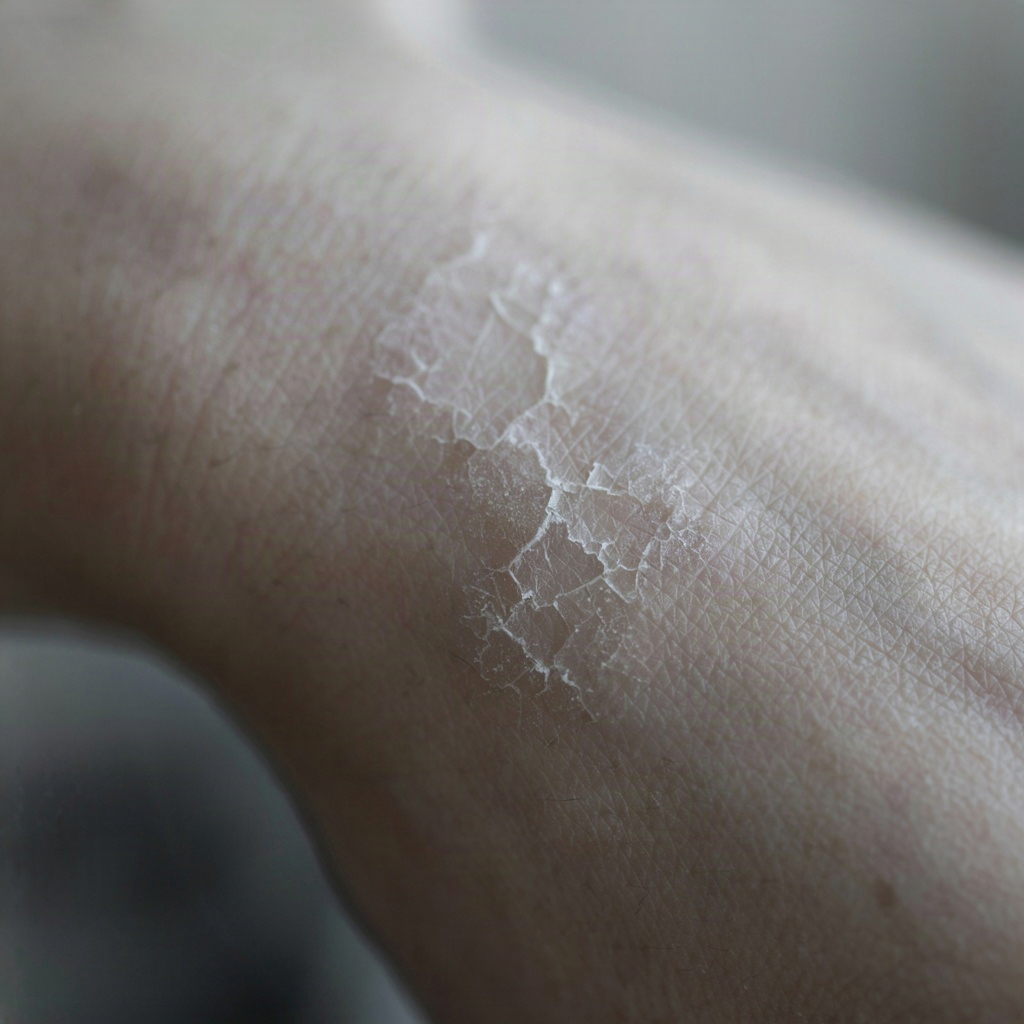
A moisturiser for dry flaky skin works best alongside gentle removal of the flakes, never scrubbing. Soak the area in lukewarm water, soften, then apply - otherwise the cream sits on a layer of dead scale and never reaches living tissue.
Overnight occlusion is the cheapest intervention there is. A thick layer of a skin cream for extremely dry skin under cotton gloves or socks turns eight hours of sleep into eight hours of treatment, at the cost of sleeping in gloves.
Urea at 10 to 20 percent and lactic acid genuinely help a moisturizer for dry skin patches that have gone thick and scaly, because they break down the bonds holding dead cells together. Both sting on fissured skin, so heal the cracks with a plain occlusive first, then introduce the keratolytic.
Choosing the best very dry skin moisturizer means accepting a slower finish. If it vanishes on contact, it is probably not staying long either. Give a moisturiser for extra dry skin two weeks of twice-daily use before you judge it, since barrier lipids need roughly that long to reorganize.
Hands are the hardest case because they get washed a dozen times a day. Keeping a tube by the sink and applying after every wash beats one thick application at bedtime, simply because the exposure is repeated and the treatment has to be too.
Ointments come with real costs worth naming: they mark bedding, they make grip slippery for an hour, and petrolatum-based textures feel unpleasant to a lot of people. That is the trade for the fastest measurable drop in water loss of any texture available over the counter.
Stop self-treating and see a dermatologist for weeping or bleeding fissures, yellow crusting, or dryness that spreads despite consistent care. Those are signs of eczema or infection, and no jar on a shelf is the right answer.
Lips crack on the same schedule as hands and need their own occlusive - see lip balms that repair chapped, peeling lips for what actually holds overnight. For the rough, scaly areas that outlast everything else, treating rough, scaly patches on elbows and shins goes further than a face-focused routine can.
Application Beats Price: The Damp-Skin Rule
Apply within three minutes of washing, while the surface still holds water. The same cream on bone-dry skin has far less water to seal in, which is why an inexpensive cream used correctly outperforms an expensive one used late.
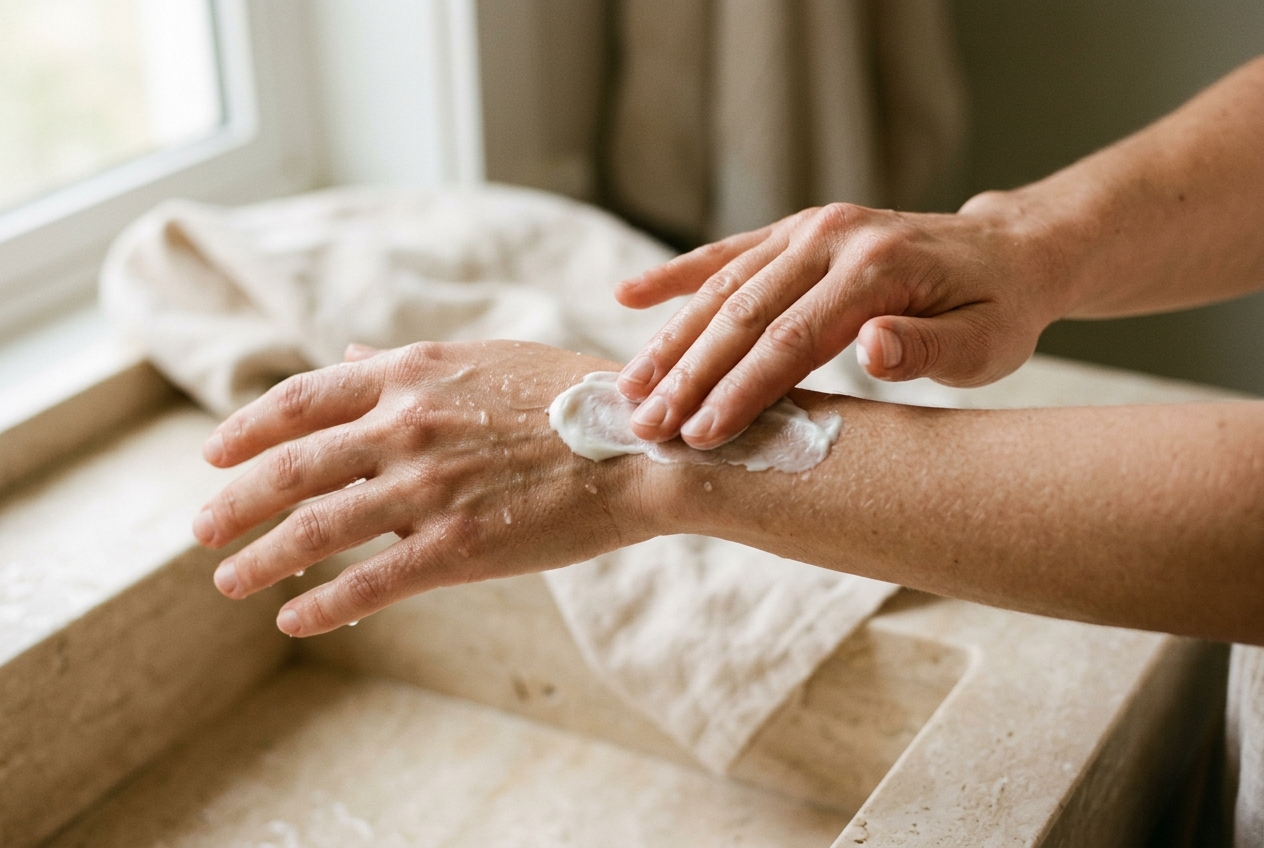
Press and pat rather than rub. Friction on a compromised barrier increases redness, and rubbing moves a surprising share of the product onto your palms instead of your face.
Layer thinnest to thickest: water-based serum first, then cream, then an ointment on the driest spots only. Reversing that order means the occlusive blocks everything underneath it.
Quantity matters more than brand. Roughly one fingertip unit covers the face and neck, and most people apply less than half of that, then conclude the product failed. A hydrating moisturizer for dry skin cannot work at a quarter dose.
Frequency beats intensity. Twice a day, every day, does more than a thick weekend application, because the barrier loses water continuously and the protection only lasts as long as the film stays on the skin.
Order matters at the body scale as well. Apply to the shins, forearms and hands straight after a shower while the bathroom is still humid, then dress; waiting until the room has cooled costs you most of the surface water you were trying to trap.
Two habits erase the benefit: hot water for longer than ten minutes, and towel-drying until the skin squeaks. Pat until barely damp instead - dry skin moisturizers depend on that residual water.
Exfoliation belongs in the same conversation, since over-scrubbing is a leading cause of self-inflicted dryness; gentle face scrub guide to safe exfoliation sets a safe ceiling.
A Routine That Supports the Cream You Chose
Good skincare for dry skin starts at the tap. Lukewarm water, a low-foam cleanser, and no second cleanse in the morning unless you slept in makeup - the cream is downstream of all three.
Sunscreen still matters when skin is dry and flaking. A moisturizing SPF replaces the morning cream rather than adding a fourth layer, which keeps the routine short enough to survive a workday.
Exfoliation is a once-weekly decision at most, and it comes off the schedule entirely during a flare. Weekly hydrating masks are optional comfort rather than treatment; skincare for dry sensitive skin improves faster from subtraction than from addition.
A workable dry-skin day has four steps, not eight: rinse or cleanse, apply to damp skin, add sun protection in the morning, and add an occlusive on the worst patches at night. Anything beyond that is optional, and the optional steps are the first to go when the barrier is inflamed.
Actives need a schedule rather than a ban. Retinoids and acids can stay in the routine, but on alternating nights, buffered with cream applied first, and paused entirely for a week if stinging outlasts the application by more than a minute.
Environment does real work. A bedroom humidifier held at 40 to 50 percent relative humidity reduces overnight water loss more reliably than upgrading your cream, for about the price of one mid-range jar. It also needs weekly cleaning, which is the part people abandon.
When time is short, drop the serum - never the moisturizer or the sunscreen. If you want a comfort step that earns its place, dermatologist-backed face masks for glowing skin explains which formats suit a barrier that is already struggling.
Write a short inline email capture offering a seven-day barrier-repair email course: one short lesson a day on washing temperature, damp-skin timing, layering order, night occlusion, humidity, ingredient triggers and when to see a dermatologist. Two sentences of value, one field, one button reading 'Start the 7-day course'.
Thanks — you're on the list.
The Label Check, and the Mistakes That Waste Money
Buying beauty products for dry skin by claim rather than by ingredient list is the most expensive habit in skincare. "Hypoallergenic" has no legal definition in the United States, and no manufacturer has to substantiate it before printing it on a carton.
Run five checks, in this order, before anything reaches the basket:
- A humectant inside the first five ingredients
- At least one named lipid - a ceramide, squalane or a plant butter
- An occlusive present, especially for night use
- The words "fragrance-free", not "unscented"
- A tube or airless pump for anything with antioxidants
Three mistakes account for most wasted money: switching products every two weeks, layering four actives onto a broken barrier, and using a face cream as a body treatment, where the cost per milliliter roughly triples for no added benefit.
A higher price genuinely buys better texture, more stable packaging and gentler preservatives. It does not buy more hydration; the working ingredients are cheap commodities, and a skin cream for dry skin at drugstore prices can match a luxury jar on every measure that matters.
Sample sizes are worth the effort where they exist. A 15-milliliter sample carries roughly two weeks of face-only use, which is exactly the window you need to judge a formula, at a fraction of the cost of finding out with a full jar.
Set a review date. Two weeks of consistent use, photographed in the same light at the same time of day, decides whether a product stays. Judging by how skin feels ten minutes after application is how the drawer of half-used jars fills up.


