

Why Finding the Right Facial Cleanser Matters for Your Skin
Cleansing is the physiological foundation of any functional skincare regimen. Every day, your skin accumulates a complex layer of lipid-soluble sebum, dead corneocytes, airborne particulates, cosmetic pigments, and chemical UV filters. Removing this debris requires an engineered emulsifier. Using a high-quality face cleanser is not simply about keeping the skin clean; it is about selectively lifting impurities while leaving the delicate lipid matrix of the stratum corneum completely undisturbed. When you use an incompatible formula, you risk altering the natural pH of your skin, which typically hovers between 4.5 and 5.5.
The best cleanser works through micellar action. Surfactants within the facial cleanser contain hydrophilic heads that attract water and lipophilic tails that bind to oil. When applied to damp skin, these molecules organize into spherical structures called micelles, trapping oil-soluble dirt so it can be cleanly rinsed away. A poorly formulated or overly aggressive product can denature the skin's structural proteins, such as keratin, and dissolve the essential cholesterol, free fatty acids, and ceramides that hold your skin cells together. The right formula preserves these elements, ensuring that your skin barrier remains resilient against environmental pathogens and mechanical stress.
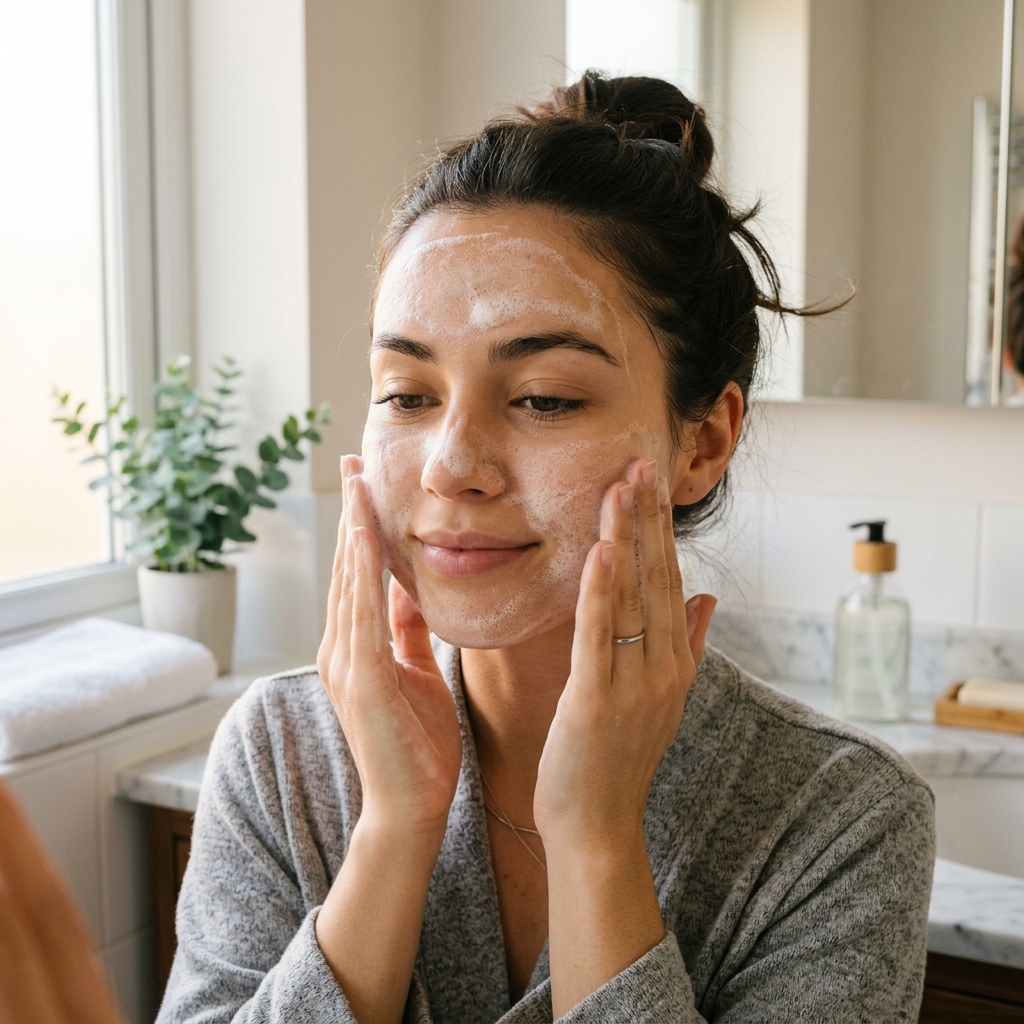
To establish a healthy routine, you must select a good facial cleanser that aligns with your specific skin physiology. An inappropriate match will trigger a cascade of secondary issues: oily skin might overproduce sebum in a reactive attempt to replace stripped oils, while dry skin can develop microscopic fissures that lead to chronic inflammation. Understanding your skin's unique moisture balance and oil production rate is the first step toward optimizing your daily wash. For professional advice on healthy cleansing habits, you can review the official American Academy of Dermatology face washing guidelines.
How to Choose a Gentle Cleanser for Sensitive Skin
Sensitive skin is clinically characterized by an increased susceptibility to external irritants, often caused by a compromised epidermal barrier. If you experience redness, itching, burning, or tightness after washing, your current routine is likely causing sub-clinical inflammation. Finding the best face wash for sensitive skin requires a strict avoidance of harsh anionic surfactants, such as sodium lauryl sulfate (SLS), which have a high binding affinity to skin proteins and cause significant swelling of the stratum corneum.
Instead, look for a specialized cleanser for sensitive skin formulated with non-ionic surfactants, like alkyl glucosides, or amphoteric surfactants, like cocamidopropyl betaine. These molecules form larger micelles that are physically incapable of penetrating deep into the intercellular lipids of the epidermis. A high-quality best cleanser for sensitive skin should also be entirely free of synthetic fragrances, volatile essential oils, and drying alcohols, which are primary triggers for contact dermatitis. The primary clinical objective of the best facial cleanser for sensitive skin is to thoroughly cleanse while promoting the structural repair of the skin barrier.
While these gentle formulations excel at preserving the skin's delicate moisture balance, they do have a practical limitation: they are generally less effective at breaking down heavy, waterproof makeup or mineral sunscreens on their own. To address this, many individuals choose to use them as the second step in a double-cleansing process. For a complete guide on how to integrate gentle cleansing steps into your overall face care regimen, read our complete creme hydratante visage guide.
Key Ingredients for Sensitive Skin Cleansing
When evaluating the label of a good face wash for sensitive skin, look for ingredients that actively suppress inflammatory pathways. Soothing humectants and anti-inflammatory agents are critical for minimizing vascular reactivity. Colloidal oatmeal, allantoin, and bisabolol are highly regarded for their ability to soothe irritated nerve endings and reduce erythema. These bio-active compounds work synergistically to form a protective microfilm over raw, sensitized areas, preventing chemical irritants from contacting deeper epidermal layers.
Furthermore, the best gentle face cleanser will often incorporate centella asiatica extract (frequently referred to as Cica or tiger grass) and panthenol (provitamin B5). Panthenol is particularly valuable because it acts as both a humectant, pulling water into the intracellular spaces, and an emollient, smoothing out rough patches. The ultimate goal of the best facial wash for sensitive skin is to leave the skin feeling calm and supple immediately after towel drying, with zero visible redness or physical tightness.
Please note that even the most natural, plant-derived soothing ingredients can occasionally cause sensitivity in highly reactive individuals. It is highly recommended to perform a patch test on your inner forearm for 48 hours before applying any new botanical-heavy formulation directly to your face.
Hydrating Solutions: Finding the Best Face Wash for Dry Skin
Dry skin, or xerosis, is characterized by an insufficient production of sebum and a deficit in natural moisturizing factors (NMF) within the extracellular spaces of the stratum corneum. This lack of natural hydration causes the skin cells to shed unevenly, resulting in a dull complexion, flaking, and a rough texture. The best face wash for dry skin must do more than just avoid stripping the skin; it must actively deposit hydrating agents and lipids back into the skin barrier during the washing process.
Because that lipid deficit is easily worsened by harsh surfactants, a face wash for dry skin should cleanse near pH 5 and leave skin lipids behind rather than stripping them.
To achieve this, the best cleanser for dry skin typically utilizes a lotion or cream-based vehicle rather than a foaming gel. These cream formulas are enriched with high concentrations of humectants like glycerin and hyaluronic acid, which draw moisture deep into the tissue. They also contain rich emollients such as squalane, shea butter, and ceramides. Ceramides are critical lipids that fill the gaps between your skin cells, locking in moisture and preventing transepidermal water loss (TEWL) long after you have completed your rinse. Selecting an advanced, lipid-replenishing best facial cleanser for dry skin ensures your face remains comfortable, hydrated, and free from post-wash tightness.
To understand how to maintain total body hydration, you can read our ultimate creme hydratante corps routine. It is also helpful to note that cream cleansers can sometimes leave a very fine, conditioning residue on the skin surface. While this is highly beneficial for moisture retention, individuals with acne-prone areas should use caution, as certain heavy emollients can occasionally exacerbate clogged pores in friction-prone zones. For deeper scientific context on how mild cleansing agents preserve the skin barrier, you can read this clinical study on skin barrier and mild cleansing.
Combatting Breakouts with Mild Cleansers for Acne
Acne-prone skin requires a careful balancing act. The traditional response to breakouts is to use highly aggressive, stripping scrubs and drying soaps, but this approach often worsens acne. Over-cleansing strips the skin's defensive lipid barrier, triggering a reactive state known as rebound seborrhea, where the sebaceous glands overproduce oil to compensate for the dryness. Instead, using mild cleansers for acne is a far more effective way to clear blemishes without compromising your skin's health.
If breakouts are your primary concern, our guide to choosing an acne face wash explains which actives actually clear skin, at what strength, and how often to cleanse without stripping your barrier.
An effective, non-stripping acne wash should feature targeted active ingredients designed to break the acne formation cycle. Salicylic acid, a lipophilic beta-hydroxy acid (BHA), is exceptionally effective because it can dissolve through surface oil to penetrate deep inside the pores, exfoliation-cleaning the follicular lining from the inside out. Alternatively, benzoyl peroxide targets the acne-causing bacteria Cutibacterium acnes directly. To minimize irritation, look for a formula that combines these active ingredients with soothing agents like niacinamide or green tea extract, which help manage redness and inflammation.
The primary drawback of medicated acne washes is that they can cause mild flaking and increased sun sensitivity during the first two weeks of use. To mitigate this risk, start by using active cleansers only once a day, preferably in the evening, and always apply a broad-spectrum sunscreen the following morning. For a deeper look at clinical evaluations of therapeutic washing agents, refer to the Journal of Clinical and Aesthetic Dermatology cleanser review.
Managing Oily Skin and Clogged Pores
Oily skin is caused by hyperactive sebaceous glands that produce an excess of sebum, often driven by hormonal fluctuations or genetics. When this excess oil mixes with dead skin cells, it forms a plug within the pore, leading to blackheads, whiteheads, and stretched pores. To manage this effectively, the best face wash for oily acne prone skin must thoroughly remove surface oils and deep-seated debris without triggering a defensive overproduction of sebum.
Oily skin is usually the best candidate for lather, so it is worth learning how a foaming cleanser works and which pH and surfactant checks keep sebum control from tipping into stripping.
The best cleanser for oily acne prone skin often features clay (such as kaolin or bentonite) or activated charcoal to naturally absorb sebum without relying on harsh chemicals. Additionally, foaming agents derived from gentle coconut fatty acids, such as sodium cocoyl glycinate, provide a satisfying lather that lifts stubborn oils while remaining highly biodegradable and gentle on the skin's surface proteins. It is important to remember that gel and foam formulas should not be left on the skin for more than 60 seconds, as prolonged contact can lead to localized dehydration.
To maintain optimal skin health, avoid using hot water when washing your face. Hot water melts the skin's essential natural lipids, leaving it vulnerable and dry. Instead, always use lukewarm water to ensure a thorough, non-irritating clean.
Balancing Act: Cleanser for Combination Skin and Aging Skin
Combination skin presents a unique structural challenge: the central T-zone (forehead, nose, and chin) is typically oily and prone to clogged pores, while the cheeks remain dry, tight, and occasionally flaky. Using a formula designed solely for oily skin will dry out your cheeks, while a heavy cream wash meant for dry skin can cause breakouts in your T-zone. A balanced cleanser for combination skin is specially formulated to normalize both micro-environments simultaneously.
The best facial cleanser for combination skin typically utilizes a balanced gel-to-milk or light foaming mechanism. These formulas provide moderate oil-clearing action for the T-zone while using gentle humectants to keep dry areas hydrated. For individuals with aging skin, the natural cellular renewal process slows down, leading to a dull, uneven skin tone and a loss of elasticity. A specialized face wash for aging skin should incorporate gentle chemical exfoliants like polyhydroxy acids (PHAs) or mild glycolic acid to gently dissolve the bonds holding dead skin cells together, revealing a brighter, smoother complexion.
As skin matures, it also becomes thinner and more prone to moisture loss, meaning it requires extra care around delicate areas like the eyes. To support your skin's natural repair cycle, consider pairing a gentle exfoliating wash with targeted treatments. For more information on caring for mature skin, check out our guide on the benefits of a restorative eye cream benefits.
If your skin is also showing signs of age, choosing the best face wash for aging skin means looking for a gentle cleanser with a pH near 5, mild surfactants and ceramides.
What Cleanser Should I Use? Your Ultimate Selection Guide
To answer the essential question—"what cleanser should i use?"—you must carefully evaluate your skin's specific needs, your daily environment, and your makeup habits. The table below outlines how to choose the right formula based on your primary skin concerns:
| Skin Type | Recommended Formula | Key Active Ingredients |
|---|---|---|
| Sensitive | Non-foaming Milk / Cream | Allantoin, Centella Asiatica, Panthenol |
| Dry | Rich, Emollient Cream | Ceramides, Glycerin, Squalane |
| Oily / Acne-Prone | Salicylic Acid Gel / Foam | Salicylic Acid, Zinc PCA, Clay |
| Combination | Gel-to-Milk / Light Foam | Amino Acid Surfactants, Hyaluronic Acid |
When searching for an excellent face wash, look for products labeled "non-comedogenic" (formulated not to clog pores) and "pH-balanced." A high-quality best face wash should thoroughly cleanse without leaving your skin feeling tight or dry. While a best foaming cleanser is highly satisfying for oily skin, those with dry or sensitive skin should stick to non-foaming cream formulas to protect their skin barrier.
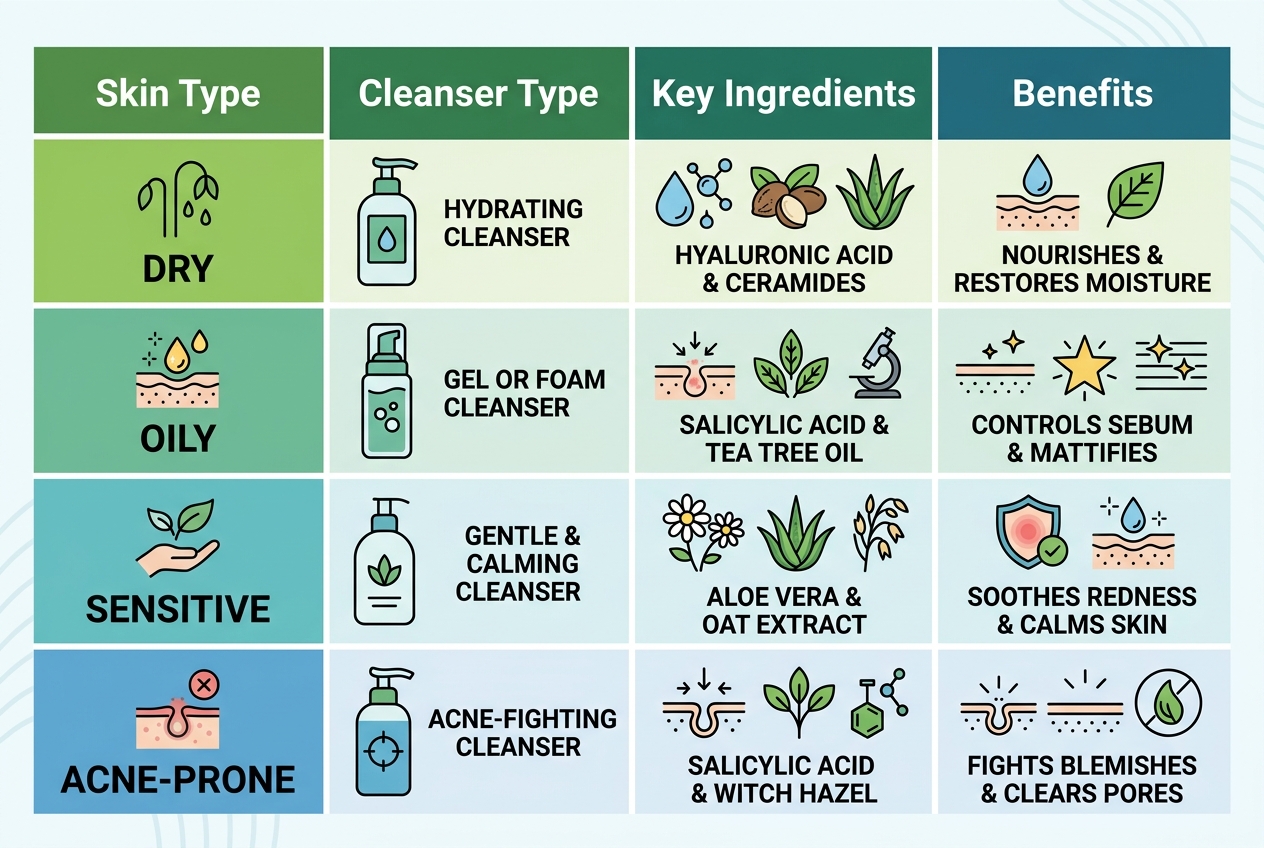
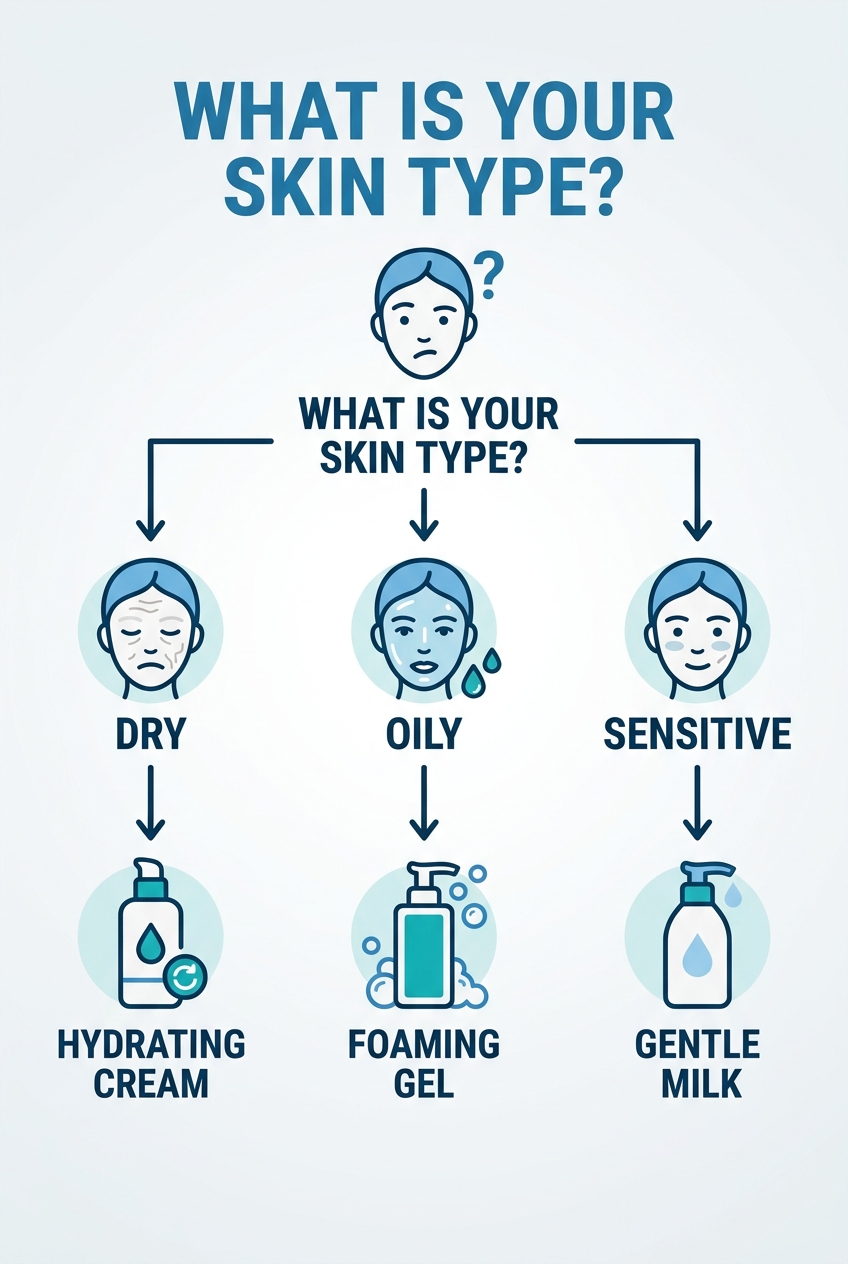
To identify top rated skin cleansers and options that are face wash top rated by dermatologists, check for seal-of-acceptance certifications from recognized dermatological organizations. For example, you can review the list of National Eczema Association accepted cleansers to find formulas verified as safe for highly sensitive skin.
How you wash is just as important as the product you use. Apply your selected best face cleanser to damp skin using clean hands, and gently massage it in circular motions for 30 to 60 seconds. This gives the surfactants enough time to emulsify oils and dirt. Be sure to pay close attention to your hairline and jawline, where leftover residue can easily cause breakouts. After washing, always pat your face dry with a clean towel instead of rubbing, and follow immediately with a moisturizer to seal in hydration. For guidance on selecting protective formulas for other sensitive areas of your face, explore our guide on protective lip care product selection.


