

Why Oily Skin Needs a Different Face Wash
Sebaceous glands answer to androgens and temperature, not to your cleanser. A face wash for oily skin can strip what is already sitting on the surface, but it cannot slow production at the follicle, so the honest goal is a comfortable baseline rather than a matte face at 4pm.
Oiliness and acne are not the same condition, so if breakouts rather than shine are your main complaint, choose an acne face wash built around proven actives instead.
That distinction changes what you should buy. Harsh surfactants and high-pH bar soaps pull lipids out of the stratum corneum along with the sebum, which is what creates the tight, squeaky feeling many people read as clean. Skin frequently answers that damage with more shine by early afternoon, so the aggressive wash quietly makes the problem it was bought to fix look worse.
A good facewash for oily skin differs from a general cleanser in three measurable ways: it uses milder surfactants, it leaves out the occlusive emollients that re-deposit a film on rinse-off, and it may carry a low-dose keratolytic active such as salicylic acid.
This guide is for anyone shopping for a face wash for greasy skin that rinses without residue: shiny by lunchtime, visible pores across the nose, and tired of products that either do nothing or leave the skin flaking around the nostrils by day four.
How to Tell If Your Skin Is Actually Oily
Two tests settle it. Press a blotting sheet to your forehead, nose and cheeks around 1pm: oily skin saturates all three, combination skin marks the T-zone only. Then wash with a plain cleanser, apply nothing, and check at ten minutes — genuinely oily skin feels neutral, while skin that feels tight is telling you the wash was too strong.
If the tests point the other way — tightness, flaking and no shine by noon — you are dealing with dryness, and a face wash for dry skin is the safer place to start.
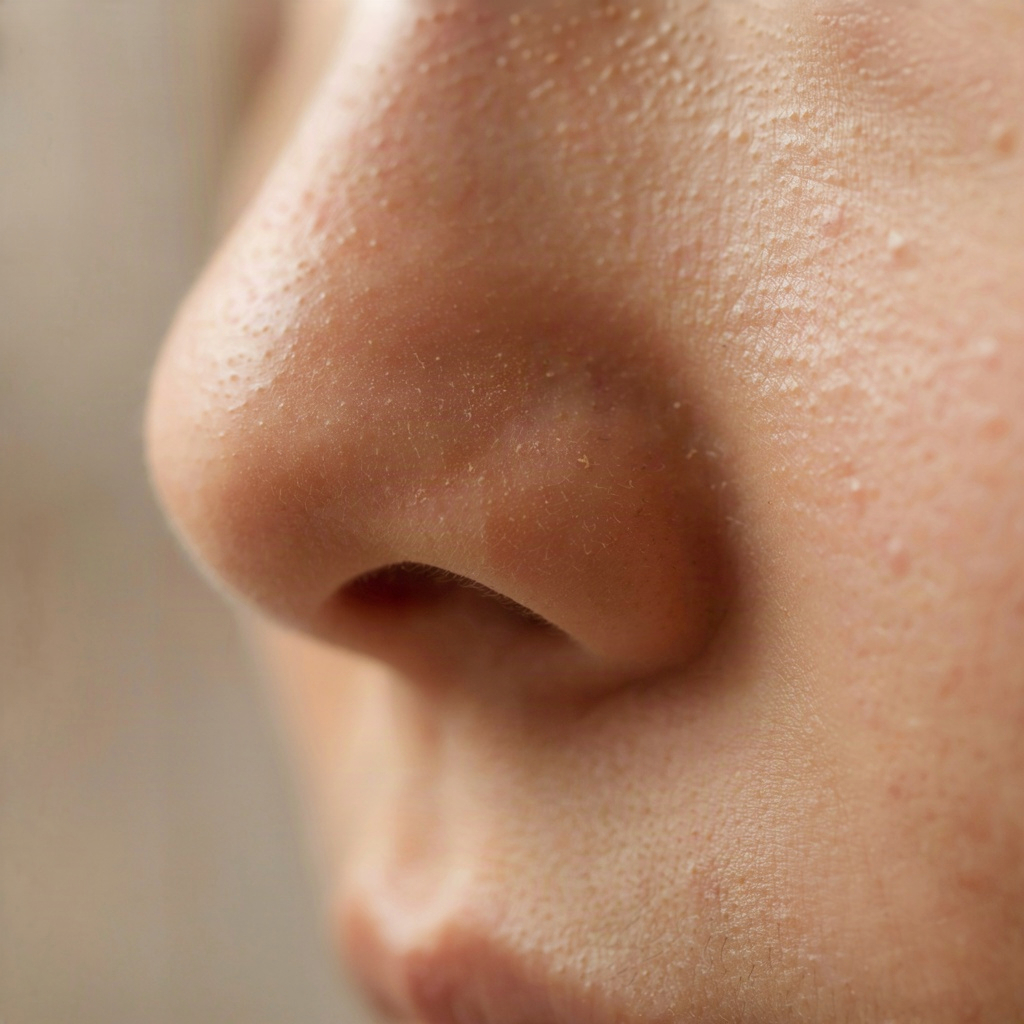
Dehydrated skin is the most common misdiagnosis. It overproduces oil because the barrier is leaking water, and it looks shiny while feeling rough. Sending that skin to a stripping cleanser for oily face only deepens the cycle, and the giveaway is flaking that appears alongside the shine rather than instead of it.
Your reading also moves with the calendar. Sebum output rises with ambient temperature, so the face wash for oily face that suited you in August is often too aggressive in a heated flat in January. Reassess twice a year rather than assuming one bottle works year-round.
Pore visibility maps the same territory. Pores that look enlarged across the nose and inner cheeks but not along the jaw point to a T-zone problem best handled by a lighter gel; pores visible everywhere justify a stronger oil-absorbing texture two or three times a week.
Not sure which category you land in? Six questions, about two minutes, and you get your skin type plus the concern worth treating first.
What to Look for on the Label
Salicylic acid earns its place because it is oil-soluble and can travel into the pore lining, where water-soluble acids cannot. In a wash it usually sits at 0.5% to 2%. Be realistic about the ceiling: a rinse-off product has 30 to 60 seconds of contact time, and the Cochrane review of topical salicylic acid and nicotinamide for acne rates the overall evidence for topical salicylic acid as low quality, with no clear advantage over benzoyl peroxide or tretinoin.
Niacinamide and zinc gluconate show up on the same shelf for sebum and pore appearance. They are worth having, but the strongest data sits with leave-on products, so treat them as a bonus in a cleanser for oily skin rather than a reason to buy one.
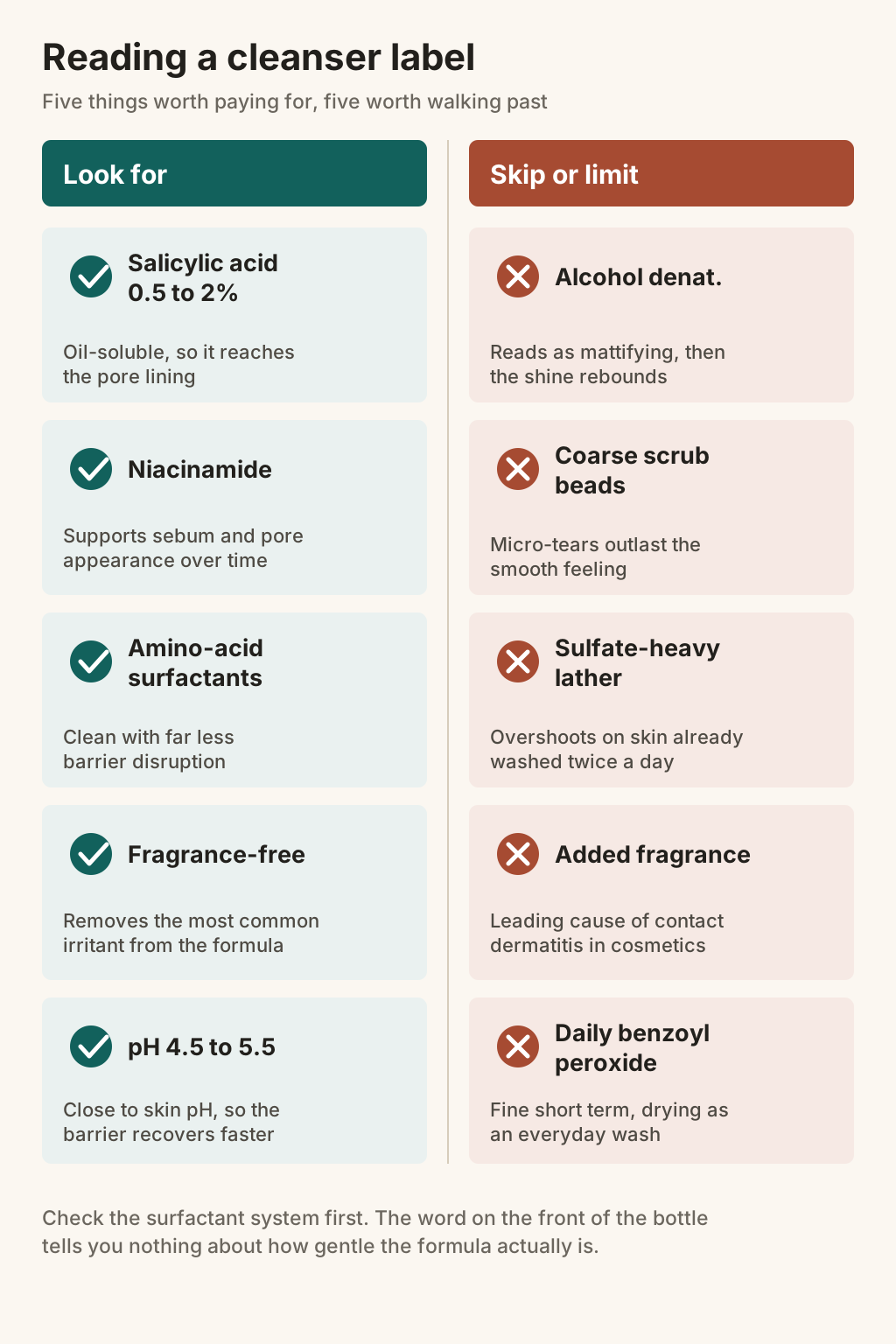
What actually makes a gentle skin cleanser for oily skin gentle is the surfactant system, not the word on the front of the bottle. Amino-acid surfactants such as sodium cocoyl glutamate and sodium lauroyl sarcosinate clean with far less barrier disruption than sodium lauryl sulfate, and peer-reviewed research on surfactants and skin barrier integrity shows that surfactant residue left in the stratum corneum after rinsing is a large part of the damage.
Three ingredients account for most complaints about a skin cleanser for oily skin: denatured alcohol, added fragrance, and coarse scrub particles. Each buys a sensory effect and costs barrier tolerance.
- Alcohol denat. high in the list — fast evaporation reads as mattifying, then rebounds.
- Parfum or fragrance — the leading cause of contact dermatitis in cosmetics.
- Nut shell or bead scrubs — micro-tears that outlast the smooth feeling.
If actives make you sting, a gentle cleanser for oily skin is the safer starting point: a cleanser for oily and sensitive skin should be fragrance-free, free of essential oils, and buffered near skin pH so you can add treatment steps later without stacking irritation.
Gel, Foam, Clay or Oil: Comparing Cleanser Textures
Texture predicts how a wash behaves on greasy skin more reliably than any claim on the carton. A cleansing gel for oily skin is the sensible daily default because it carries no butters or heavy esters, so nothing redeposits as the water runs off.
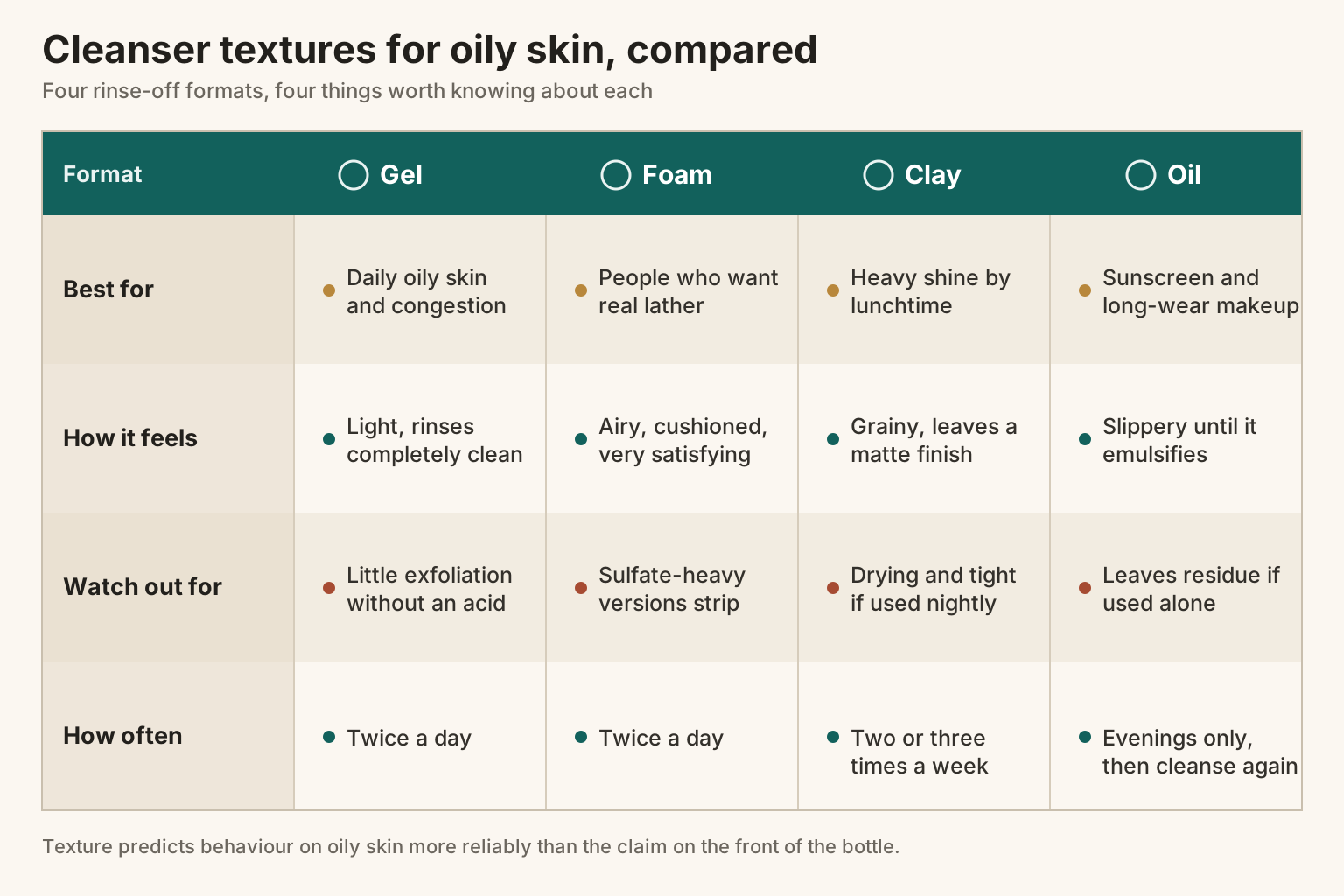
A foam cleanser for oily skin delivers the ritual most people want, but lather volume is a function of surfactant load. Sulfate-heavy foams overshoot on skin that is already washing twice a day; sulfate-free amino-acid foams give roughly 80% of the sensory payoff with a far softer landing.
Clay and charcoal formats absorb surface oil physically. They suit two or three washes a week rather than every session, because used nightly they push most people into the tight-then-shiny cycle within a fortnight.
Cleansing oils and balms work by like-dissolves-like, and they are the correct first step when water-resistant sunscreen or long-wear makeup is in play. Follow with a facial cleanser for oily skin — the oil alone leaves a residue that will read as congestion by morning.
Micellar water is a removal step, not a face cleanser for oily skin. The surfactant micelles stay on the surface unless you rinse, which is exactly what the no-rinse convenience discourages.
Season matters when you compare cleansers for oily skin. Many people run a cream or milky wash from November to February and switch back to a facial wash for oily skin once humidity and sebum output climb again.
Our Picks for the Best Face Wash for Oily Skin
The best cleansers for oily skin here were chosen on surfactant type, active concentration, fragrance status and cost per wash — not on how much lather they produce. Each one names the reader it suits and the reader it does not. If you want the wider framework first, read how to choose the best face wash for your skin type before you shop.
Some links below are affiliate links. If you buy through them we may earn a commission, at no extra cost to you, and it never changes which products make the list.
Washing twice a day means a bottle disappears fast, so cost per use matters more here than on any leave-on step.
Read the shortlist by symptom rather than by search phrase. Constant slick points to the clay format; congestion points to the acid gel; stinging points to the fragrance-free option; and if one bottle has to cover morning and night, the sulfate-free foam is the safest single buy.
Those searches collapse onto one shelf anyway. The best cleanser for oily skin, the best facial cleanser for oily skin and the best oil skin face wash all return these same four formats, so the question that decides it is which texture your skin tolerates twice a day, not which phrase you typed.
The same applies if you came looking for a good oily skin face wash, the best face wash for oily face or the best face cleanser for oily face. If one product has to do everything, the sulfate-free foam is the best face wash cleanser for oily skin on this list, because it is the only pick with no active competing against the serums you apply afterwards.
How to Wash an Oily Face Without Overdoing It
Twice a day plus once after heavy sweating is the ceiling. A third wash is the most common self-inflicted cause of rebound shine, and it usually starts as an attempt to fix the shine the second wash created.
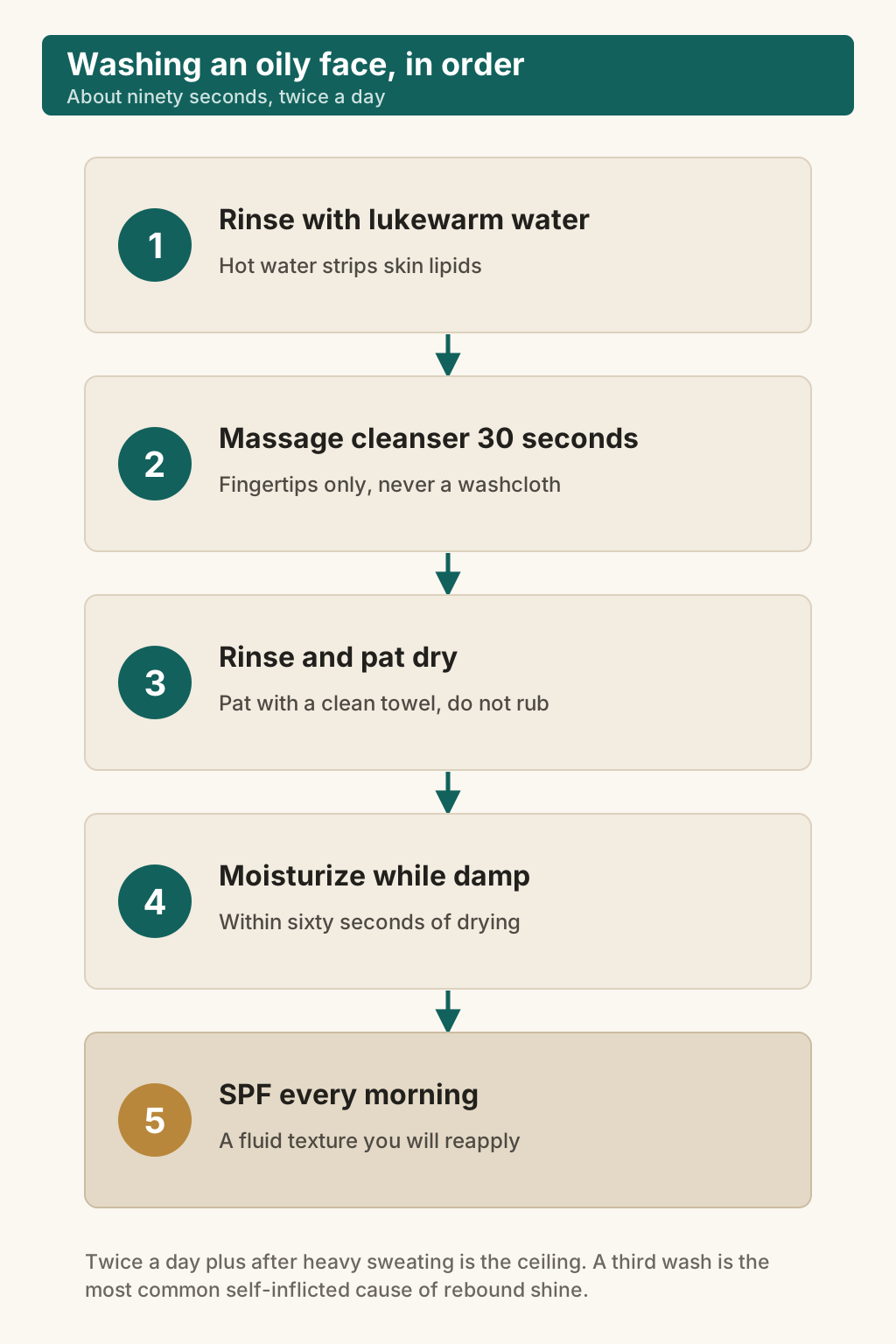
Use lukewarm water and fingertips only. the American Academy of Dermatology's face-washing guidance is explicit that washcloths, mesh sponges and scrubbing motions irritate skin, and that a gentle, non-abrasive, alcohol-free cleanser is the baseline. Massage for about 30 seconds: contact time does the work that pressure does not.
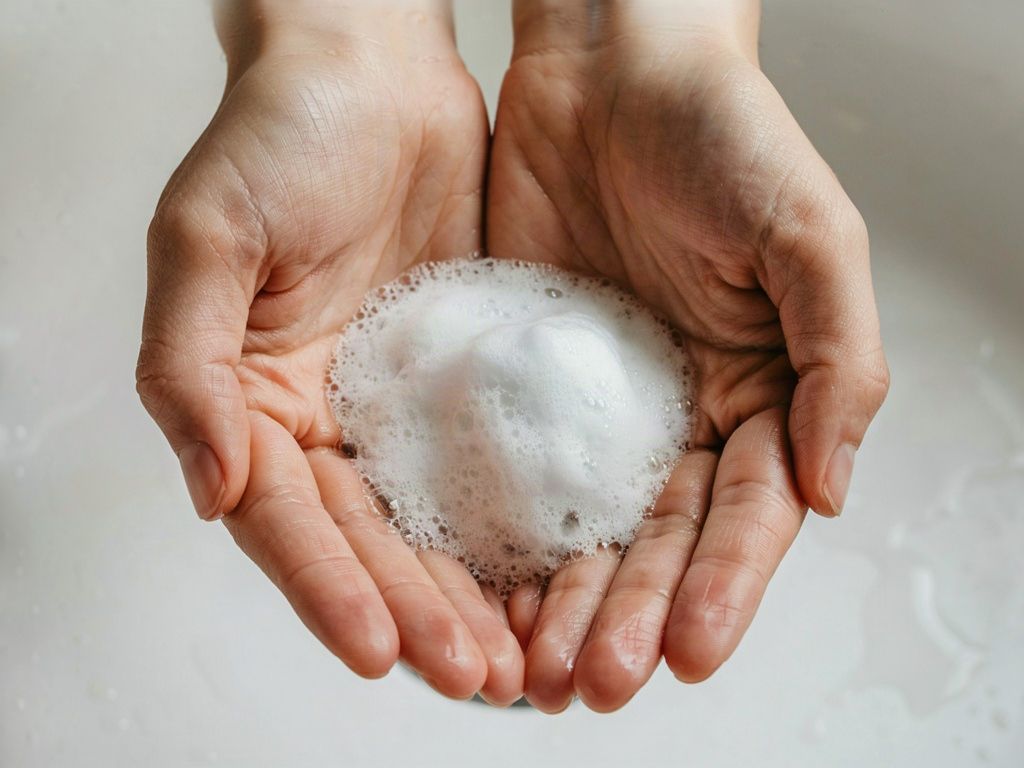
Dispense a pea-sized amount of your cleanser onto damp skin, work it over the nose and chin first, and leave the drier cheek area for the last few seconds.
Rinse, pat dry with a clean towel, and moisturize while skin is still slightly damp. Do this even when a mild face wash for oily skin already feels comfortable — the moisturizer is what stops the barrier repair cycle from stalling.
You have crossed the line when you notice any of these within a week: tightness that lasts past ten minutes, flaking around the nostrils, or serum that stings on application. That is the signal to step down to a gentle face wash for oily skin, or to keep the active version for evenings only.
For most people a gentle face cleanser for oily skin morning and night, paired with a leave-on active, outperforms an aggressive wash used alone. A mild cleanser for oily skin in the morning also protects the acid or retinoid you applied the night before from being scrubbed straight off.
Want it on paper? This printable seven-day AM and PM tracker keeps cleansing to twice a day and shows where the treat and moisturize steps land.
If your skin starts feeling drier and tighter after 40, the best face wash for aging skin trades strong oil control for a pH near 5, mild surfactants and ceramides.
What to Use After Your Cleanser
Moisturizer is not optional on oily skin. Skipping it leaves the barrier short of water, and dehydrated skin compensates with more oil — the exact loop most people are trying to break. A lightweight gel-cream with glycerin and no heavy occlusives is enough.
Some links below are affiliate links; buying through them may earn us a commission at no cost to you.
Order the rest by weight, thinnest first. Vitamin C belongs in the morning under sunscreen — see vitamin c serum for face for how to pick a stable one. Retinol belongs at night, and retinol serum guide: how to choose and use retinol covers the ramp-up schedule that prevents the peeling phase.
Hydrating serums sit between the two; when to use hyaluronic acid serum explains why applying one to dry skin in a dry room backfires. If shine coexists with rough patches, the advice in dry skin moisturizers: how to pick one that works applies to your cheeks even while your T-zone stays greasy.
Sunscreen is the reason double cleansing exists for many oily-skin readers. Texture matters more than the SPF number on the front: a fluid or gel formula you will actually reapply beats a thick cream you avoid by 11am.
Mistakes That Make Oily Skin Worse
The first is treating every oily cleanser as an acne treatment and layering three keratolytics at once — a salicylic wash, a glycolic pad and a benzoyl peroxide spot cream in one evening. That combination irritates faster than it clears.
The second is daily scrubbing. Grainy exfoliants used every day cause micro-injury; a chemical exfoliant two or three times a week does more with less damage, and gentle face scrub guide: choosing a face exfoliator covers how to judge the grit if you prefer a physical option.
The third is chasing the squeaky finish: skipping moisturizer, then blotting the resulting tightness with an alcohol-heavy toner. dermatologist advice on controlling oily skin makes the same point from the other direction — cleanse up to twice a day, choose oil-free and non-comedogenic products, and stop scrubbing.
The fourth is switching products every fortnight. Cell turnover and pore clearing need roughly six to eight weeks before a verdict is fair, so a two-week trial mostly measures the purge.
Oily Skin Cleanser Questions, Answered
Can I wash my oily face three times a day?
You can, but within about two weeks most people report more midday shine, not less, plus tightness after each wash. Blot at lunchtime instead.
Does a face wash for oily skin need salicylic acid?
No. A plain gel plus a leave-on active usually outperforms an acid wash, because contact time is where a rinse-off product loses.
Are bar cleansers and hot water still a problem?
Traditional high-pH soap bars are; modern syndet bars are not. Hot water strips lipids either way, so keep it lukewarm and switch to a creamier wash in winter.
If the shortlists above were useful, we send one practical routine tip a week and nothing else.
One oily-skin routine tip a week. No product dumps, no hype.
Thanks — you're on the list.


