

Why Oily Skin Still Needs a Moisturizer
Sebum is oil. The water your skin holds is not. An oily face can pump out more than a milligram of sebum per 10 square centimetres every three hours and still measure low on hydration, because oil sitting on the surface does almost nothing to stop water evaporating from the layers underneath. That is the whole case for a moisturizer for oily skin: you are replacing water and slowing its escape, not adding grease.
Because sebum is oil rather than water, oily skin can still run short on water, and these hyaluronic acid moisturizer label checks show whether a formula actually seals it in.
A good moisturizer for oily skin does two mechanical jobs. Humectants such as glycerin and hyaluronic acid pull water into the stratum corneum. A thin film of emollients and light silicones then slows evaporation, so the water you just added stays put for hours instead of minutes. Skip the second half and the humectant can pull moisture out of deeper skin and into dry air.
The best moisturizer for oily skin is therefore the one you will actually apply twice a day for six weeks, not the mattest formula on the shelf. A product that leaves your face feeling squeaky and tight gets abandoned by week two, and the barrier damage from that tightness usually shows up as more shine, not less. The American Academy of Dermatology's own dermatologist tips for controlling oily skin put "apply moisturizer after cleansing" on the do list, not the don't list.
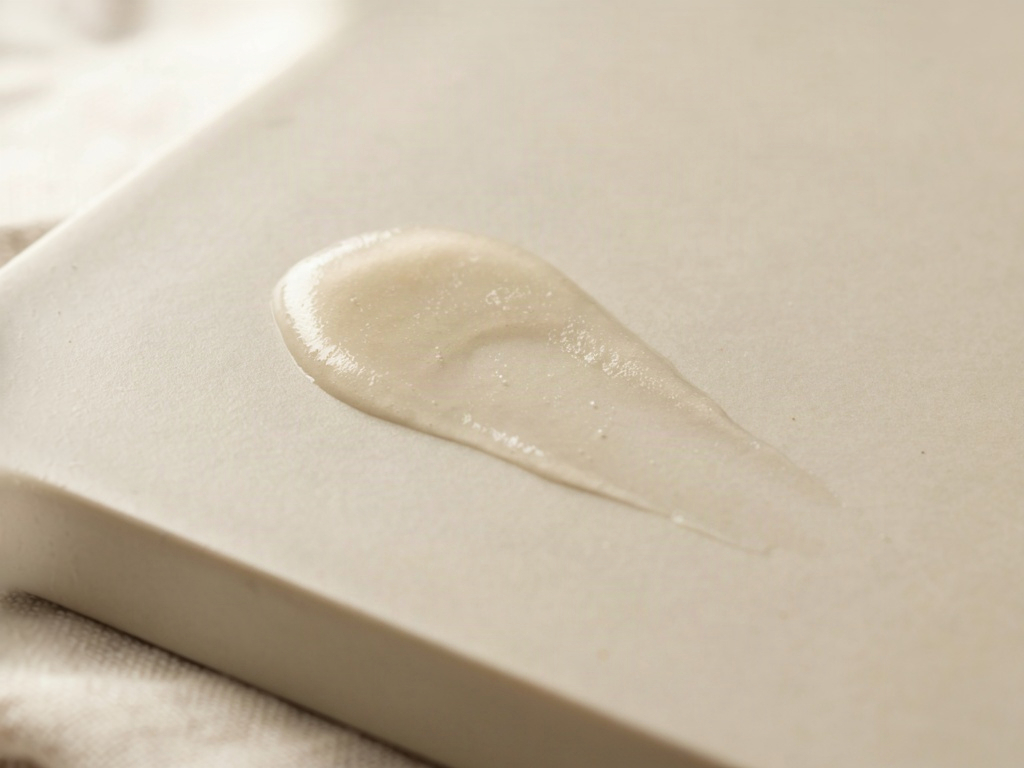
What follows is seven label checks that separate a lightweight moisturizer for oily skin from a heavy night cream, then a texture comparison, an ingredient list worth memorising, and picks organised by concern rather than by ranking.
Oily or Dehydrated? Read Your Skin Before You Buy
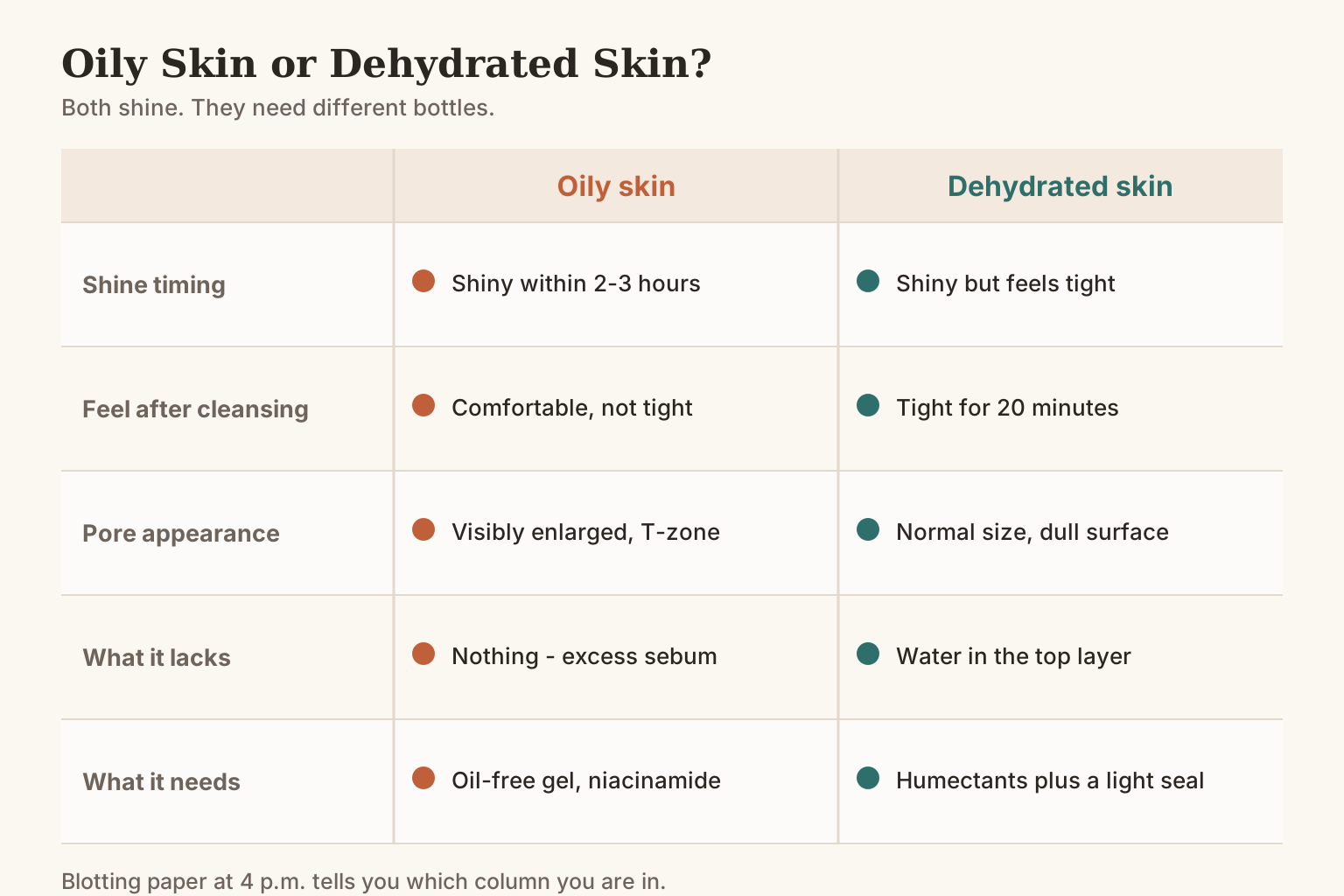
Excess sebum production above roughly 1.5 mg per 10 square centimetres every three hours is what dermatology literature calls seborrhea; normal output is closer to 1 mg over the same window. Dehydrated skin is a different problem entirely: it is short on water, not swimming in oil, and it can shine in a way that looks identical in a bathroom mirror at 4 p.m.
Two tests separate them. Press a blotting paper to your forehead and cheek in the late afternoon: heavy transfer from both means genuinely oily skin, transfer from the T-zone only means combination. Then cleanse with a plain gel wash and wait 20 minutes. If your face feels tight and looks dull despite the shine, you are dehydrated, and the face moisturizer for oily skin you need is a humectant-heavy one rather than a mattifier.
Combination skin usually wants a light moisturizer for oily skin on the T-zone and something with more emollient on the cheeks. Two products cost more and take an extra 15 seconds, which is a real tradeoff, but a single mattifying formula across the whole face is what makes cheeks flake by February. There is a point where a skin lotion for oily skin is simply the wrong call: after a course of oral isotretinoin, or during a retinoid ramp-up, the barrier needs occlusives, and the tactics in our guide to Dry Skin Moisturizers That Work apply for a few weeks even to a normally greasy face.
Sebum output is also measurable rather than a matter of opinion; the clinical review of oily skin treatment options covers sebumeter readings and what actually moves them. And if you use a lotion for oily skin on a face that is dehydrated rather than oily, you will keep buying replacements that never fix the tightness.
Still unsure which column you sit in? Six questions, about two minutes, and you get a skin type plus a sensitivity flag.
7 Things to Check on a Moisturizer for Oily Skin
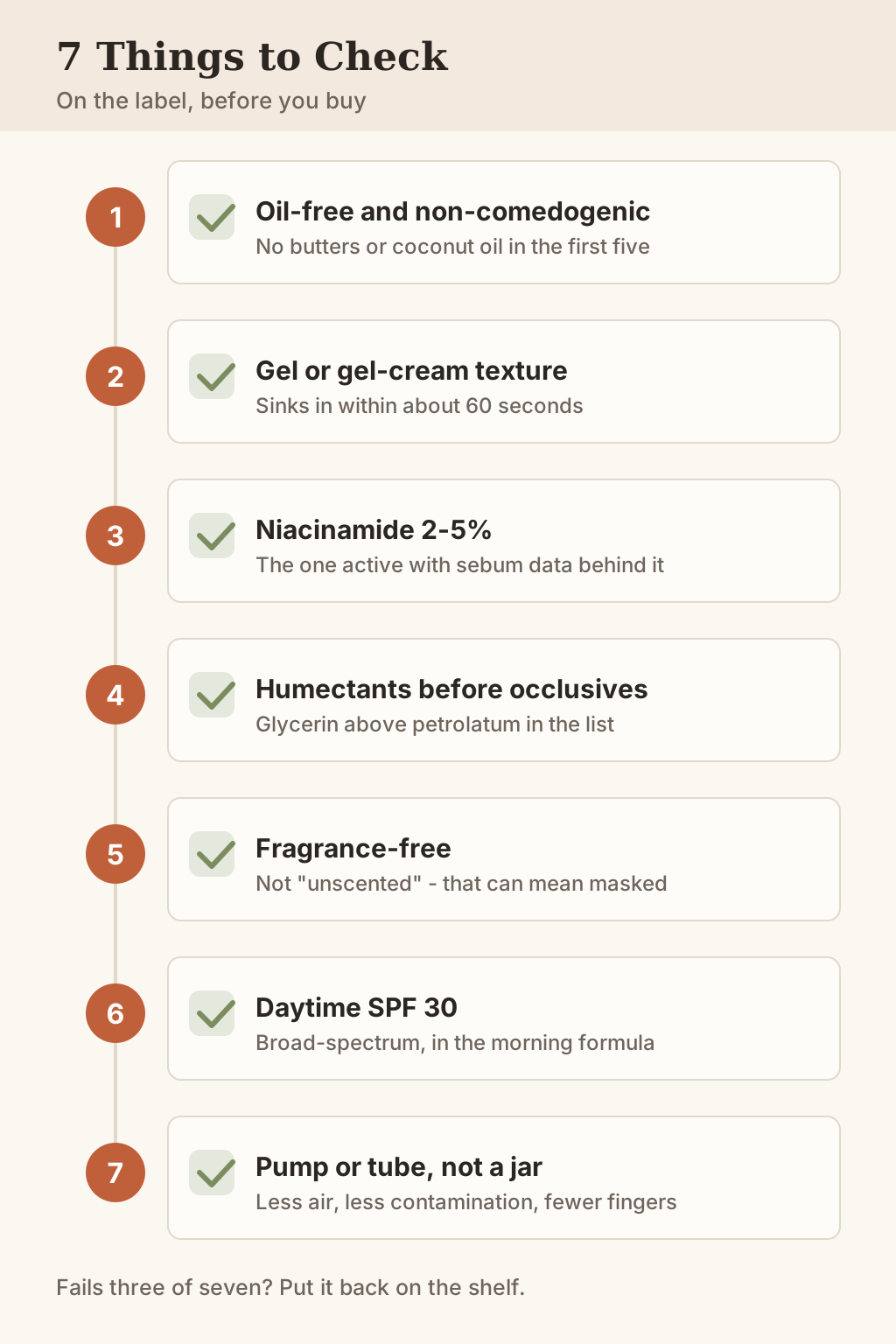
Every one of these is visible on the pack or the ingredient list, so the whole audit takes under a minute in a shop aisle.
The same one-minute label audit works one step earlier in the routine, where the best toners for oily skin are judged on acids, niacinamide, alcohol and pH.
Oil-free and non-comedogenic on the label
An oil free moisturizer for oily skin says so on the front, and the back backs it up: no shea butter, coconut oil, cocoa butter or isopropyl myristate in the first five ingredients, where concentrations are highest. "Non-comedogenic" is an unregulated claim rather than a certification, so treat it as a starting filter and read the deck anyway. The AAD's guidance on why non-comedogenic labelling matters on acne-prone skin is the short version.
A gel or gel-cream texture
A lightweight gel moisturizer or a water based moisturizer for oily skin sinks in within about 60 seconds and leaves no film you can feel when you press a fingertip to your cheek. If it is still slippery after two minutes, it will be slippery under sunscreen and under makeup too. The cost: gels re-dry faster in low humidity, so a winter swap is usually necessary.
Niacinamide at 2 to 5 percent
Niacinamide is the only widely available oil-control active with published sebum excretion data behind it, and 2 percent was enough to lower measured output over four weeks in controlled trials. Above about 5 percent you gain little and raise the flushing risk on sensitive skin. Look for it in the top third of the ingredient list, not as the last item before the preservative.
Humectants listed before heavy occlusives
Glycerin, sodium hyaluronate, betaine or panthenol should appear before petrolatum, dimethicone in high load, or plant butters. Ingredient order is roughly concentration order down to the 1 percent mark, so a formula that lists shea butter third is a cream wearing a gel's marketing.
A fragrance-free formula
Fragrance and essential oils are the most common trigger of cosmetic contact dermatitis and contribute nothing to hydration. "Unscented" is not the same claim: it often means a masking fragrance was added. The tradeoff is honest — fragrance-free formulas smell faintly of their raw materials, which some people dislike enough to stop using them.
Broad-spectrum SPF 30 in the daytime version
A daytime formula that already carries broad-spectrum SPF 30 removes a step, and a removed step is a step you stop skipping. Check that it is SPF 30 or higher and broad-spectrum, not SPF 15. If you would rather keep the two separate for dosing reasons, our guide to the Best Face Sunscreen and SPF Moisturizer explains when combining is a bad idea.
A pump or tube instead of an open jar
Jars expose the whole formula to fingers and air at every use, which degrades antioxidants and raises contamination risk in a humid bathroom. A pump or tube costs the brand more and is a genuine signal about formulation care. It is also harder to scrape the last 5 percent out, which is the small price you pay.
One more warning that is not a check but a disqualifier: an oily facial moisturizer with alcohol denat near the top of the list will feel matte for an hour, strip the barrier, and rebound greasier by noon. Any best face moisturizer for oily skin claim that survives all seven checks is worth your money; one that fails three is worth putting back.
The same one-minute label habit works around the eyes, where a separate set of cream eyebag label checks separates a working puffy eye cream from a moisturizer decanted into a small jar.
Gel, Lotion or Cream: Which Texture Suits Oily Skin
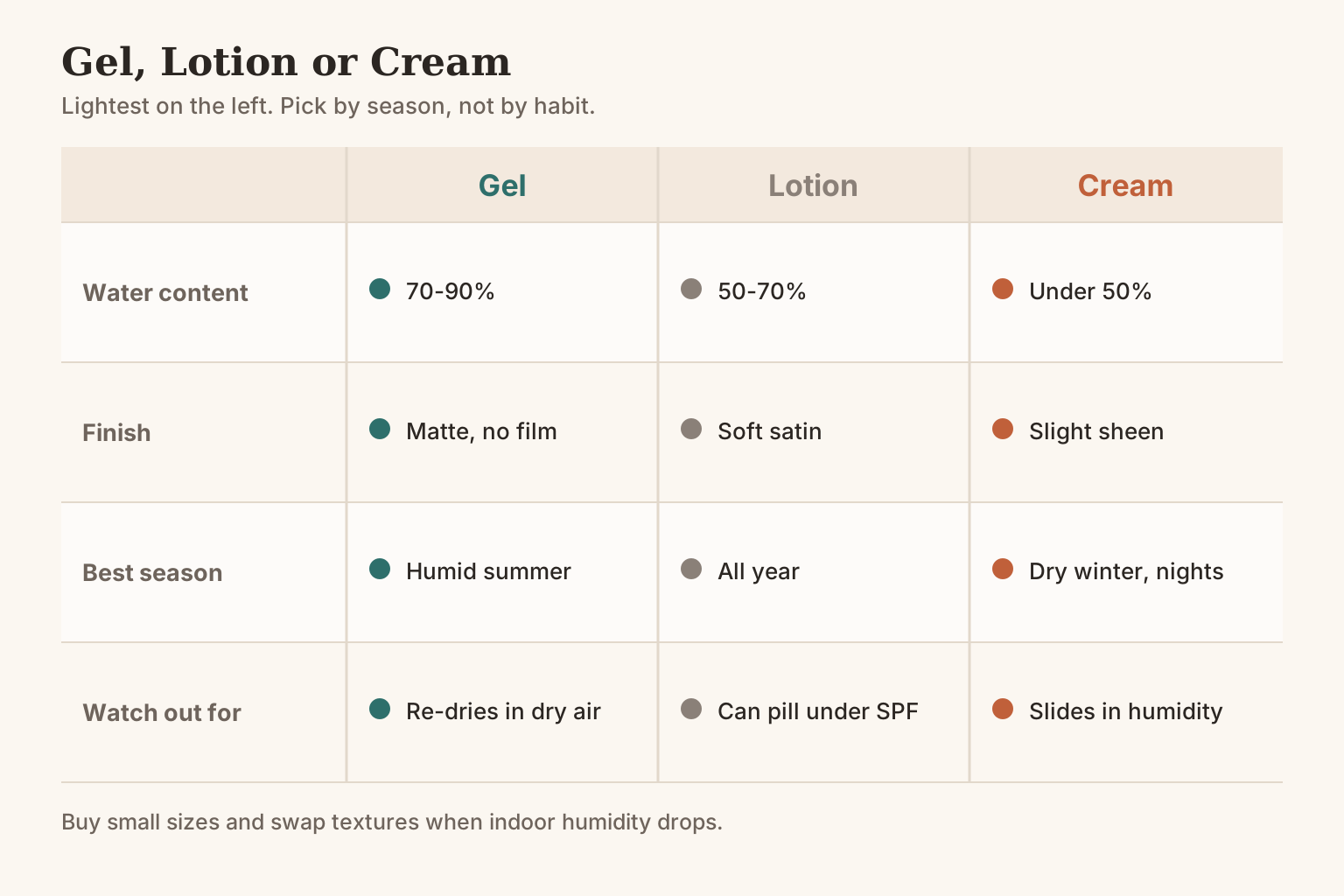
Gels run 70 to 90 percent water with almost no occlusive film. That is why the best gel moisturizer for oily skin seems to vanish on contact, and also why it stops being enough when indoor heating drops humidity below about 30 percent — you end up applying a second layer at night, which cancels the cost saving.
Texture and oil content are two separate decisions, so it helps to know what an oil free moisturizer actually contains before you commit to a gel, a lotion or a cream.
Lotions sit in the middle. A good lotion for oily skin carries just enough emollient to stop cheeks flaking while the T-zone still shines, which makes it the single best choice for combination skin that does not want to buy two products. It will feel heavier than a gel for the first two or three minutes after application.
Creams are richer again. A face cream for oily skin earns its place at night, in dry indoor air, or layered over a retinoid where the extra occlusion buffers irritation. Used in a humid summer it will slide, pill under sunscreen, and make you think your skin got oilier when it was the product all along.
Texture is genuinely a climate decision. The best lotion for oily skin in a humid August is usually the wrong pick in a dry January, and the swap costs nothing if you buy small sizes. When you read a cream for oily skin ingredient deck, silicones such as dimethicone are non-comedogenic for most people, esters such as isopropyl myristate are the ones with a comedogenicity record, and plant butters are the heaviest of the three.
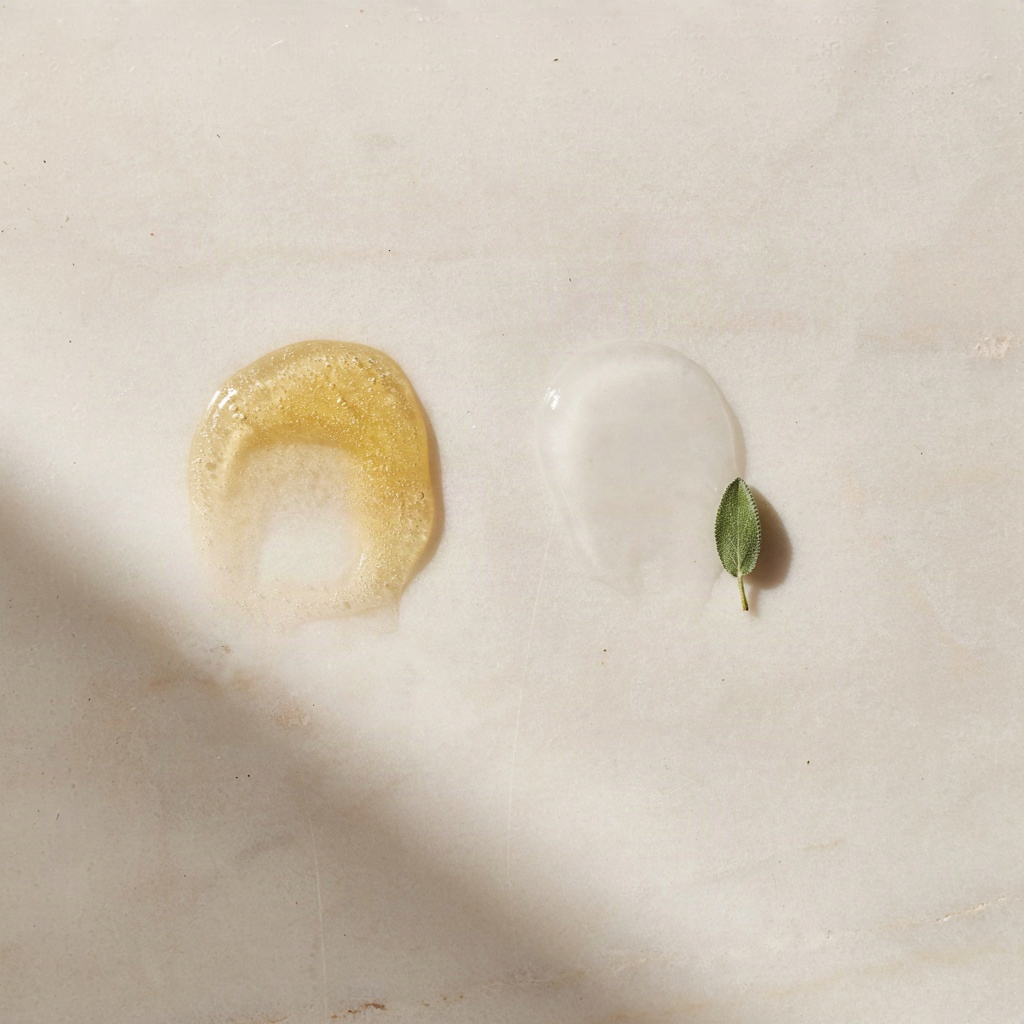
If you want one concrete texture to start from, this is the shape to look for. Some links below are affiliate links, and we may earn a commission at no extra cost to you.
Ingredients Worth Paying For, and Three to Skip
Niacinamide at 2 to 5 percent is the one active with sebum data attached. Give it four weeks before you judge it: the published trials measured change at weeks two and four, not on day three. A higher percentage is not automatically better, and 10 percent formulas are more likely to sting than to mattify.
Hyaluronic acid and glycerin hold water without weight, which is exactly what makes a face lotion for oily face feel like almost nothing. They need a light occlusive over them in dry air, or the water they attract evaporates and takes some of yours with it — the mechanism is explained well in this review of how humectants, emollients and occlusives work together.
Salicylic acid at 0.5 to 2 percent inside a moisturizer for oily face is useful if you are congested rather than merely shiny. If you already use a BHA cleanser or a weekly acid, stacking a third exposure is how people end up with a tight, flaky, still-oily face.
Ceramides sound too rich for greasy skin and are not. They rebuild the barrier that over-cleansing broke, and a good lotion for oily face still needs them; they are structural lipids, not surface oil.
Three to skip: denatured alcohol, which makes a good moisturizer for oily face feel light for an hour and tight afterwards; coconut oil and isopropyl myristate, both with a comedogenicity record; and fragrance, which raises irritation risk with no measurable benefit to a skin moisturizer for oily skin. If you are also using a retinoid, our Retinol Serum Guide covers what to layer and what to leave out.
When you want niacinamide at a dose no moisturizer carries, a dedicated serum is the cleaner way to get it. Affiliate link below.
Picks by Concern: Acne-Prone, Combination, Sensitive, Night and Value
Five picks, one angle each, so the best facial moisturizer for oily skin is the one that matches your concern rather than the one that happens to sit at position one. Each entry states what it is not for. These are affiliate links; we may earn a commission at no extra cost to you.
For the night pick specifically, the seven label checks that separate the best night cream from a pretty jar cover humectants, ceramides, retinoid strength, fragrance and texture by skin type.
Compare on price per ounce rather than sticker price, and on how many weeks a tube lasts you at four pea-sized doses a day.
How to Apply It, Morning and Night
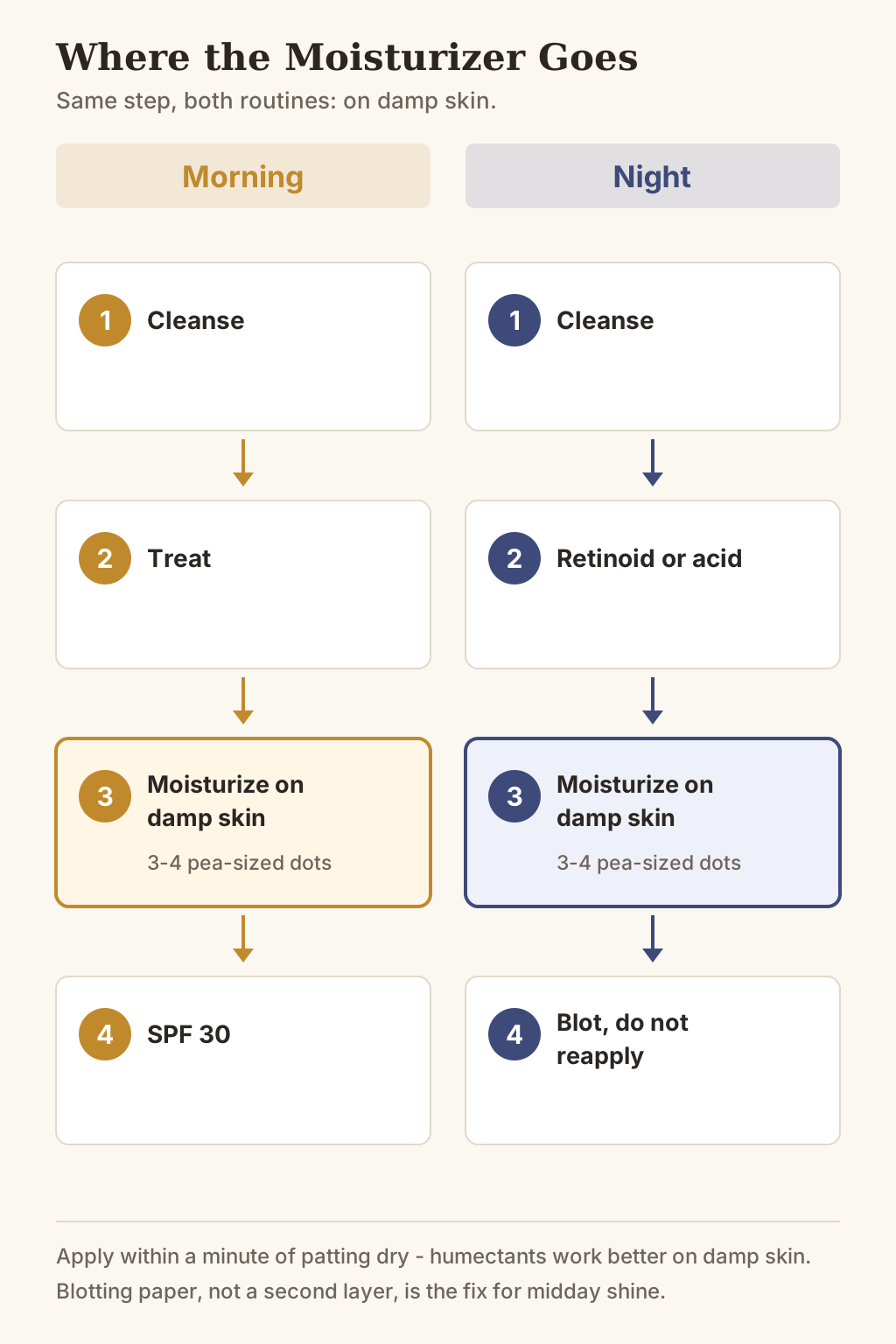
Morning order: cleanse, treat, moisturize on damp skin, then sunscreen. Three or four pea-sized dots is the entire face dose; more does not hydrate more, it just sits there and transfers onto your collar. If you would rather collapse the last two steps, a daytime SPF moisturizer does both jobs, at the cost of making it harder to apply a full sunscreen dose.
Apply within about a minute of patting your face half-dry. Humectants perform measurably better on damp skin, so waiting two minutes after cleansing wastes the window entirely.
At night, a slightly richer face lotion for greasy skin layered over a retinoid buffers irritation without clogging pores. Wait until any acid or retinoid has absorbed; a best lotion for oily face routine fails when the lotion goes on over a still-wet toner and both slide off. Our Face Toner Benefits and Purpose explainer covers whether you need that step at all, and the full order lives in How to Build a Skin Care Routine.
Reapplying moisturizer through the day is not a fix for shine. Blotting paper is, it costs a few dollars a month, and it does not disturb your sunscreen the way a second layer of product does.

If you want to know whether a new product is working, track it: a printable seven-day morning and evening tracker with a daily shine rating, for oily, combination or oily-and-sensitive skin.
Mistakes That Leave Oily Skin Shinier
- Over-cleansing with stripping foams. Wash twice a day and after sweating, no more. A stripped barrier rebounds greasier by mid-afternoon than it was at breakfast; our guide to a Face Wash for Oily Skin covers what a gentle formula looks like.
- Skipping moisturizer entirely. Still the most common mistake among people shopping for a lotion for oily skin, and the one that reliably makes shine worse within a fortnight.
- Using a body lotion on the face. Different occlusive load, and rarely comedogenicity-tested for facial use.
- Switching products every week. Niacinamide needs its full four-week window before its effect on sebum output shows up.
- Scrubbing daily to remove shine. Physical exfoliation damages the barrier faster than it removes oil; see our Gentle Face Scrub and Exfoliator Guide for a sane frequency.
Frequently Asked Questions
Does a moisturizer for oily skin cause acne?
Only if the formula is comedogenic or you apply far more than the face needs. Four pea-sized dots is the dose; a fingertip-full is not.
Can the same moisturizer for oily face work in summer and winter?
Usually not. Swapping a gel for a lotion when indoor humidity drops is the cheapest fix in skincare, and it costs nothing if you buy small sizes.
Is an expensive best moisturizer for oily skin better than a drugstore tube?
Not per ounce of niacinamide or glycerin. Price buys texture, packaging and scent, all of which matter for adherence but none of which change the mechanism.
How long before oil control shows?
Two to four weeks, based on the published niacinamide trials. Judge before that and you are judging the weather.
One tip a week, and nothing you did not ask for.
One evidence-checked skincare tip a week. No product dumps.
Thanks — you're on the list.


