

What a Skin Tightening Cream Can and Cannot Do
Sagging begins about 1.5 mm below the surface, in the collagen and elastin scaffold of the dermis. A skin tightening cream lands on the stratum corneum, roughly 0.02 mm thick, and most of what it does happens right there: humectants pull water into flattened surface cells, the cells swell, and crepey texture reads smoother for six to ten hours.
That temporary plumping is real, and it is worth having. It is not a lift. No tightening cream reaches the deep support layer a surgeon repositions, and nothing sold over the counter contracts an existing collagen fiber on contact.
The slower route is the honest one. Retinoids and certain peptides signal fibroblasts to build new collagen over weeks, which is why the answer to is there a skin firming cream that works is a qualified yes: measurable, modest, and slow. Instrument-based trials report single-digit to mid-teens percentage gains in elasticity after 12 weeks, not the change pictured on the carton.
- Can do: hold water at the surface, soften the look of slack skin the same day, protect against further collagen loss.
- Can do, slowly: raise collagen density with a retinoid or peptide used daily for three months.
- Cannot do: move fat pads, shorten ligaments, or reverse volume loss along the jawline.
The regulatory line explains the vague wording on most jars. A promise to hydrate and improve appearance is a cosmetic claim; a promise to increase collagen production is a drug claim, which is why brands hedge — how the FDA classifies anti-wrinkle and firming claims sets out exactly where that boundary sits.
So treat skin firming as maintenance rather than rescue: daily sunscreen, one collagen-signaling active, and a moisturizer whose texture you will keep reaching for. If fine lines bother you more than slackness, the best face cream for aging skin guide covers that angle in more depth.
The Actives Behind Skin Elasticity Creams
Five ingredients carry repeat human data for firmness. Everything else on a skin firming products label is texture, preservation, or marketing.
Peptides are one of those five ingredients, though not every peptide earns the claim, so see which peptide serums actually firm skin before you pay for the sequence on the label.
- Retinoids — the only widely available cosmetic active with decades of biopsy evidence for new dermal collagen. Useful range: 0.1–1% retinol, or a prescription retinoid.
- Peptides — signal fragments that slow collagen breakdown or nudge synthesis. Effects are smaller than a retinoid's but tolerable on reactive skin.
- Vitamin C — a required cofactor for collagen cross-linking, and an antioxidant that limits daily damage. Look for 10–20% L-ascorbic acid.
- Niacinamide — 4–5% improves barrier lipids, so the skin holds water and looks less slack.
- Hyaluronic acid — pure surface plumping, gone by the next wash, but it is what makes a cream feel like it "works" on day one.
Concentration beats ingredient count. A skin tightening and firming cream with 0.3% retinol in opaque packaging outperforms a jar listing thirty botanical extracts at fractions of a percent. Read where the active sits: past the midpoint of the list, it is usually below its studied dose.
Two mechanisms are worth separating when you shop for skin care products for sagging skin. Stimulating actives change the dermis over months. Water-binding actives change the surface today. A good formula pairs one of each — which is also why so many skin tightening products feel identical for the first fortnight.
The evidence base is unusually accessible for this category: a clinical review of retinoids for skin aging summarises the retinoid trials, and a peptide trial measuring skin firmness after 28 days shows how small and how quickly peptide effects register on instruments.
Where a product is linked below, it is an affiliate link that pays us a commission at no extra cost to you.
If retinol is new to you, start with the retinol serum guide before you buy, and use our dermatologist-approved vitamin C serum picks to fill the antioxidant slot without doubling up.
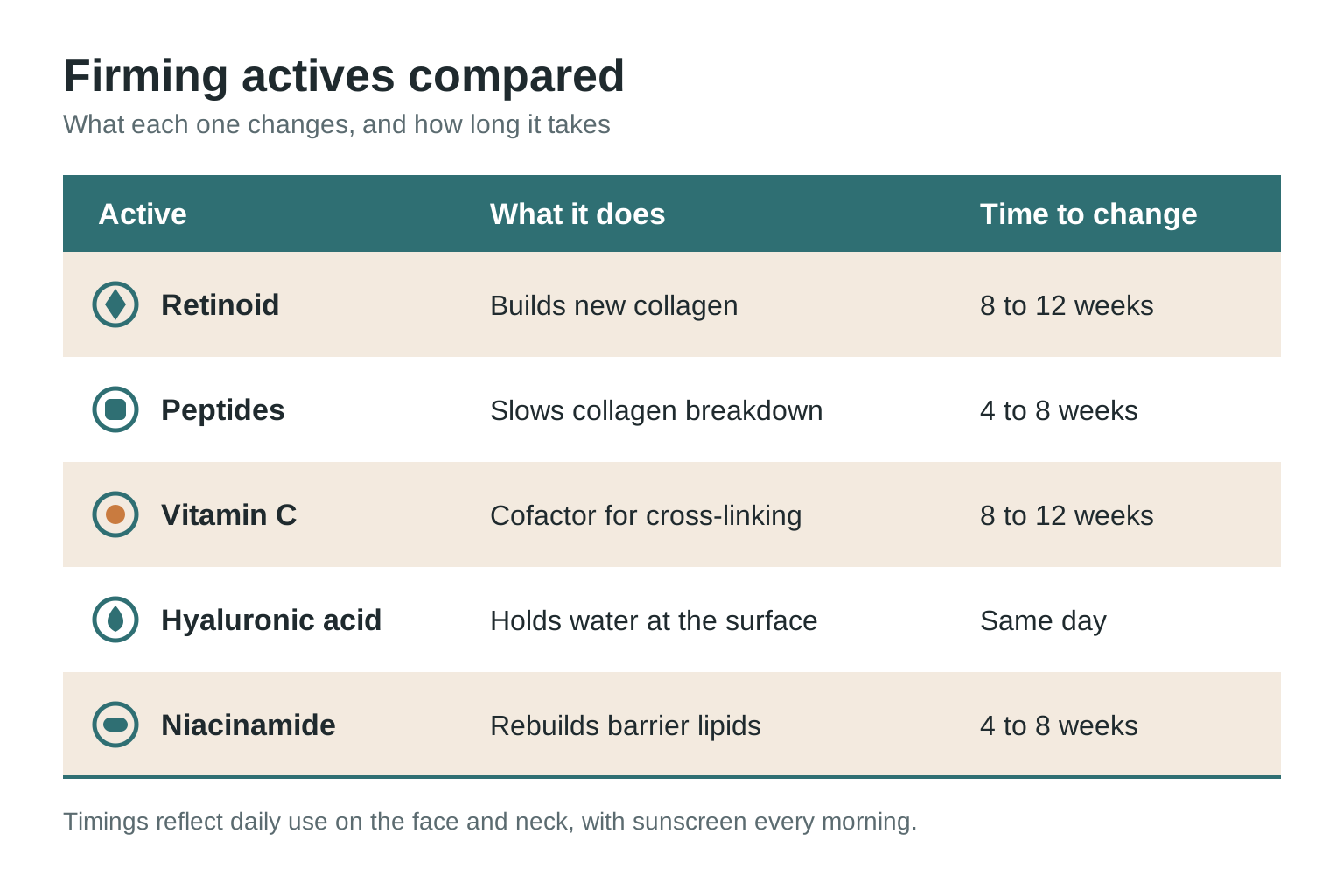
Keep the whole comparison on one page for the next time you are standing in an aisle.
How to Choose a Firming Face Cream for Your Skin Type
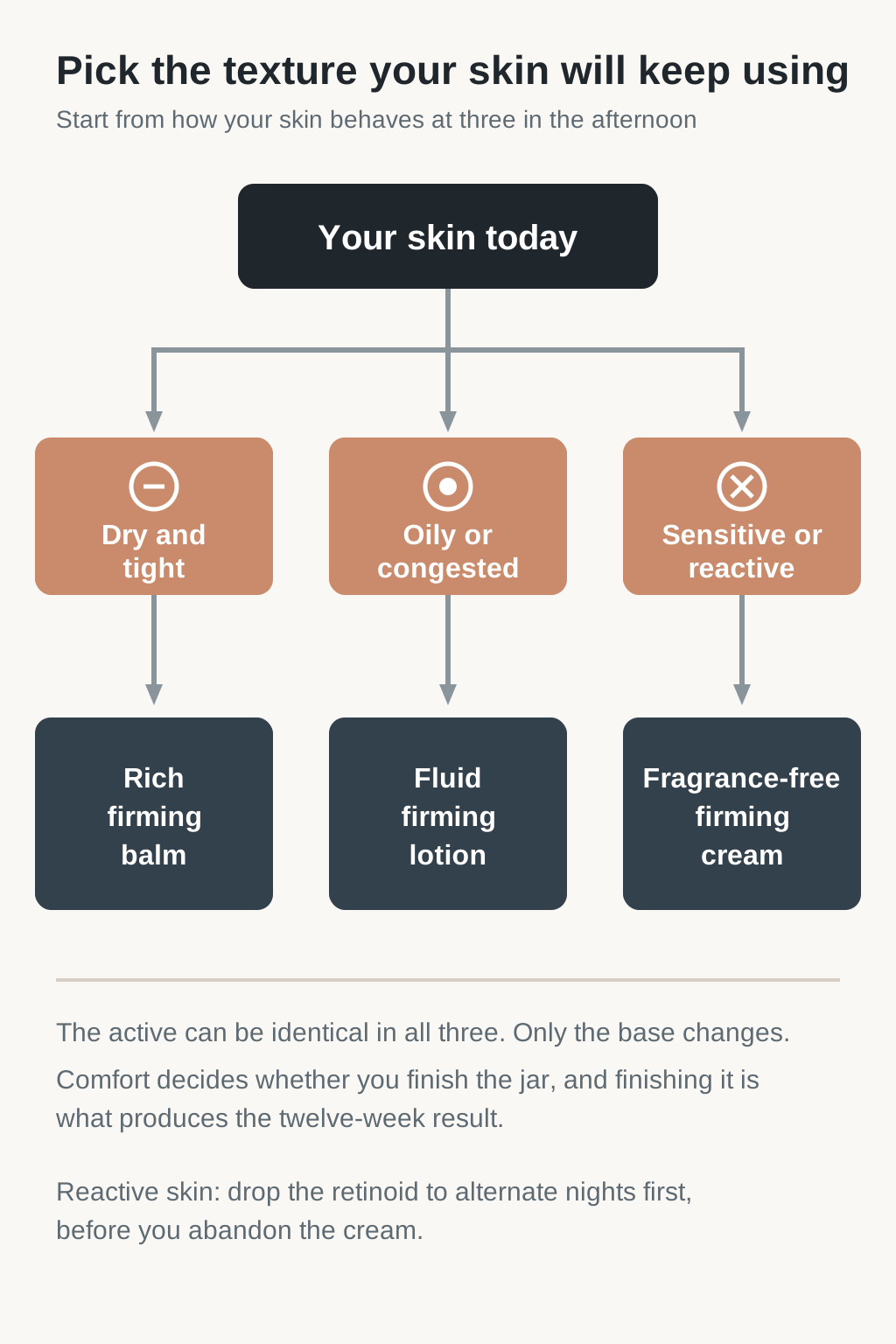
Texture decides adherence, and adherence decides results. A firming face cream you abandon in three weeks cannot outperform a plain moisturizer you use for a year.
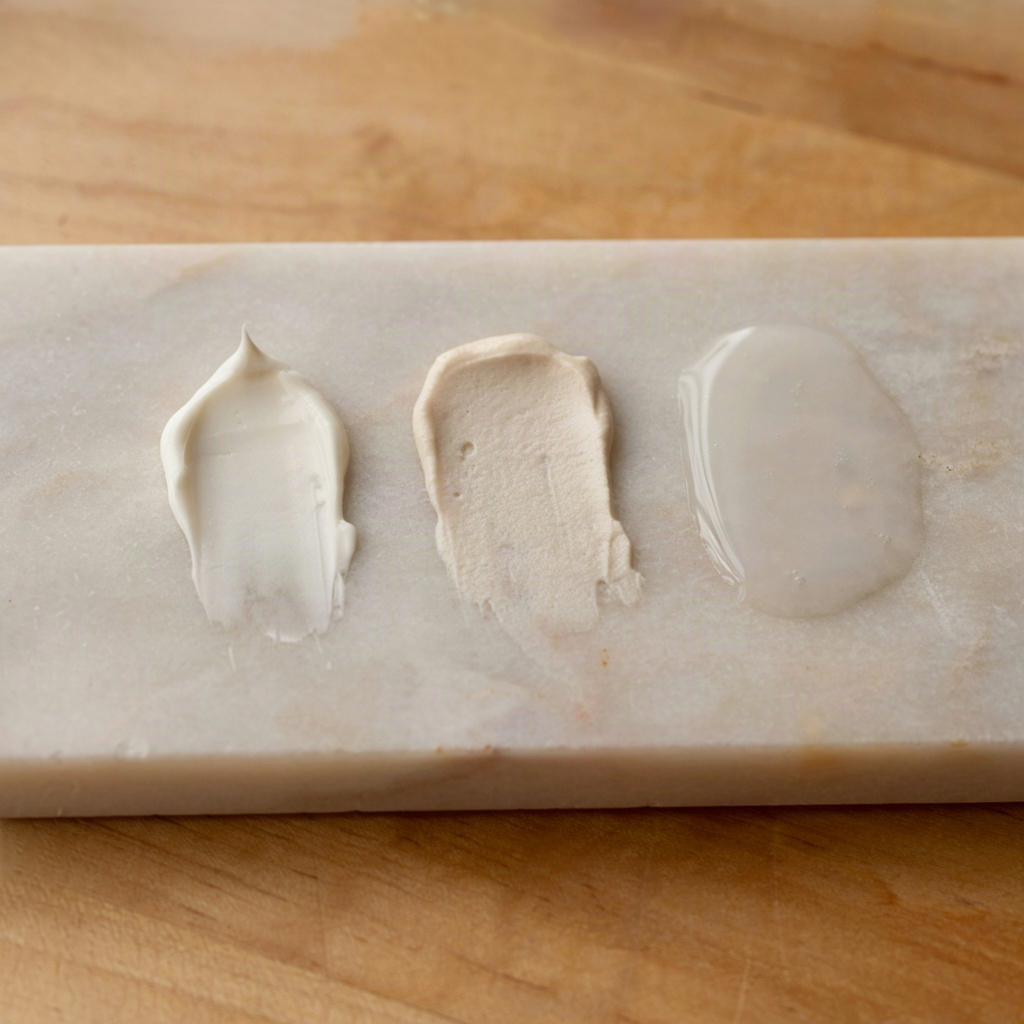
Start from how your skin behaves at three in the afternoon. Tight and flaky points to a rich balm. Shiny across the T-zone points to a fluid lotion with the same actives in a lighter base. Flushing or stinging points to a fragrance-free skin firming face cream with the retinoid dropped to alternate nights.
Three checks separate a good face firming cream from an expensive moisturizer, and all three take under a minute in the store:
- The active appears in the first third of the ingredient list, with a stated percentage on the carton.
- The packaging is opaque and airless — retinol and vitamin C both oxidise in a clear jar within weeks of opening.
- The claim is specific. "Improves elasticity in 8 weeks, 42 subjects" is checkable; "instantly lifts" is not.
A firming facial cream and an anti-wrinkle cream often share a formula and differ only in the claim on the front, so read the ingredients rather than the promise. That is also the practical answer to what is the best cream for tightening face skin: the one whose active dose, texture and price you will still tolerate at week twelve. Our face moisturizer buying guide for every skin type maps the base textures if you want to start there.
The neck ages faster than the face and gets a fraction of the product, which is why it is worth its own step. Where a product is linked, it is an affiliate link that earns us a commission at no cost to you.
Not sure which base is yours? Six questions, two minutes, and you get your skin type plus the firmness concern to treat first.
The Best Firming and Tightening Cream for Each Concern
There is no single best skin firming cream, because the limiting factor is different for each face: oil load, sensitivity, budget, or the specific area that has gone slack. Each pick below solves one of those, and each one names what it gives up. Ranked lists of the best products to tighten skin usually ignore that, which is how a top-rated cream ends up unused in a drawer.
If wrinkle depth rather than slackness is the limiting factor on your face, our top anti aging cream picks sort the same concerns by skin type instead.
If the area that has gone slack is your neck, the skin there is thinner and creams do less, so weigh the seven treatment options for how to tighten neck skin first.
Where a product is linked below, it is an affiliate link that pays us a commission at no extra cost to you.
How to Apply Cream for Tight Skin Without Wasting It
Apply within 60 seconds of cleansing, while skin is still visibly damp. Humectants pull water from whatever is nearest; on dry skin in a dry room, that source is your own deeper tissue, which is the opposite of what you want.
Order is fixed by consistency: thinnest to thickest, and a skin tightening cream for face belongs near the end of that sequence. A watery treatment such as a hydrating serum goes on first, then the cream seals it, then sunscreen in the morning. Wait about two minutes between the treatment and the cream so the first layer is not simply diluted.
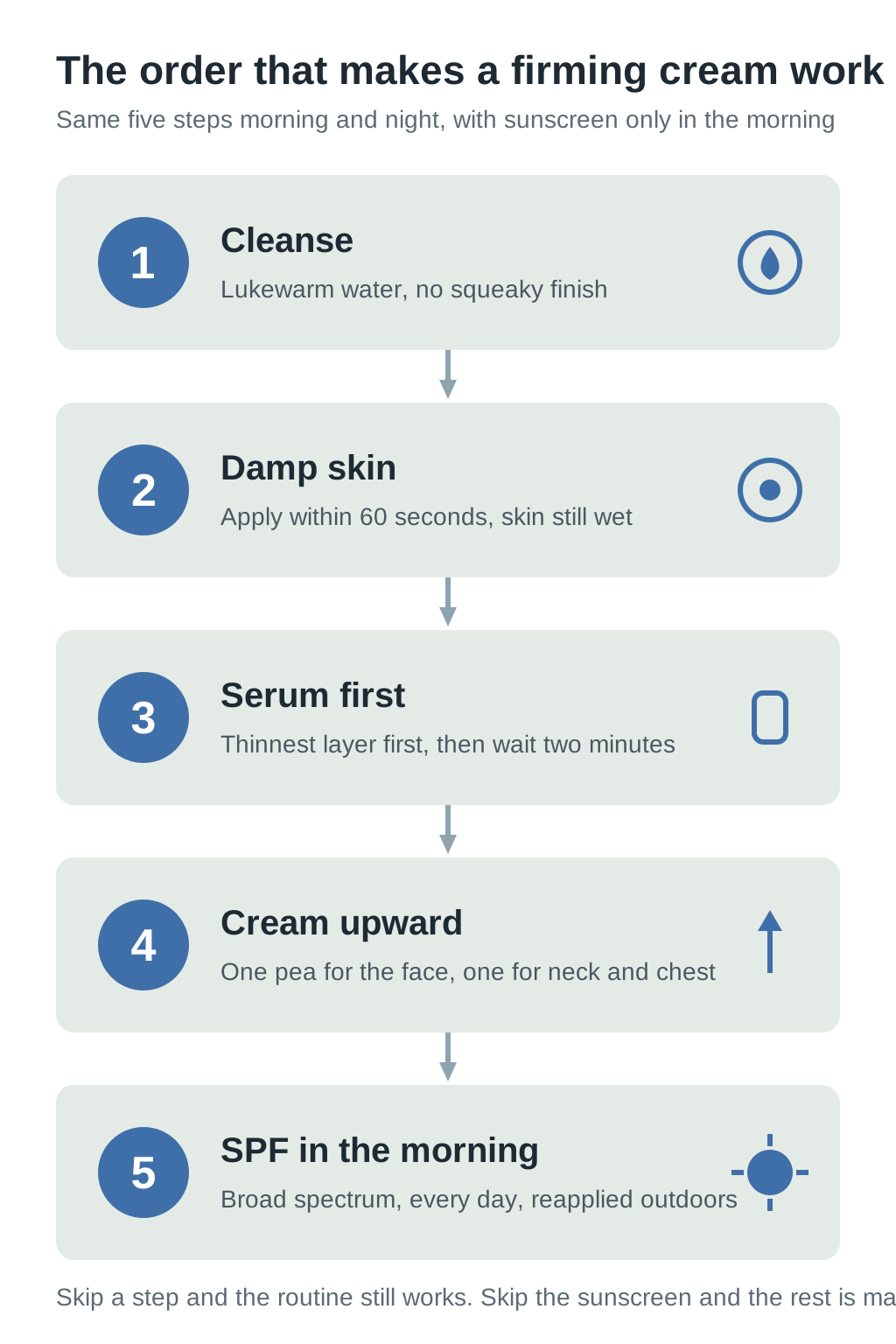
Upward, outward strokes with a face tightening cream do not lift tissue, and no amount of massage moves a ligament. What they do is spread product evenly and briefly raise blood flow, so skin looks better for an hour. Use them because they are pleasant, not because they replace an active. The same goes for cold rollers and gua sha: real, temporary, and gone by lunchtime.
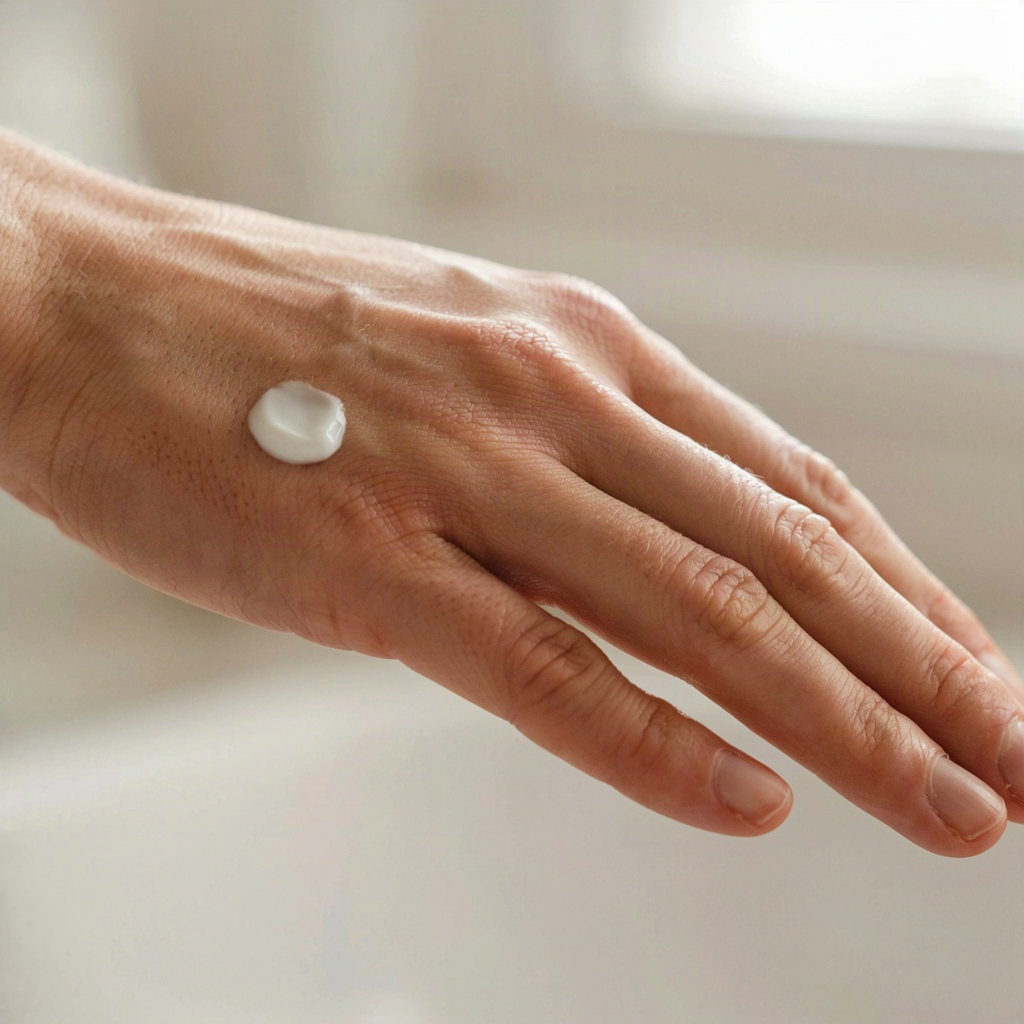
A pea-sized amount covers the whole face; a second pea covers neck and chest. If your face is still tacky after five minutes, you have used too much, and the excess ends up on your pillowcase rather than in your skin. Where a firming and tightening face cream layers over a retinoid, apply the retinoid first, wait, then buffer with the cream.
Fitting this around the rest of your steps is covered in how to build a skin care routine.
Check which of your actives can share a night and which need opposite ends of the day.
Creams Versus In-Office Skin Tightening Treatments
Energy-based devices do what topicals cannot: they heat the dermis to roughly 60–65 °C, denature existing collagen so it contracts, and trigger a wound-healing response that lays down new fibres. Radiofrequency, microfocused ultrasound and fractional lasers all work on that principle at different depths.
The trade-off is money and recovery. A course of radiofrequency or a single ultrasound session runs into the high hundreds or low thousands, results build over three to six months, and ablative laser resurfacing costs five to seven days of visible downtime. A best skin tightening lotion for face costs a fraction of that and asks for nothing but two minutes a day, which is why the best moisturizer to tighten skin is still the cheapest first move on the list.
Devices and creams are not competitors so much as different time horizons. A procedure buys you a step change over three to six months; the best firming lotion for face buys you a slow upward drift and protects the baseline in between. Skipping the topical and booking the procedure means paying again sooner.
The sensible sequence is topical first. Twelve weeks of consistent use tells you how much of the problem was surface dehydration and how much is genuine structural laxity — and only the second kind justifies a procedure. Afterwards, a firming lotion for face becomes the maintenance layer that protects the result you paid for.
One habit outranks every cream and most devices: daily broad-spectrum sunscreen, because UVA drives the matrix metalloproteinase activity that degrades collagen faster than any product rebuilds it. Use a daily facial sunscreen every morning, and see choosing sunscreen SPF that actually protects for how to pick one you will reapply. For the clinical view of what creams and procedures each achieve, read what dermatologists say about firming sagging skin.
A Realistic Timeline for Visible Firming Results
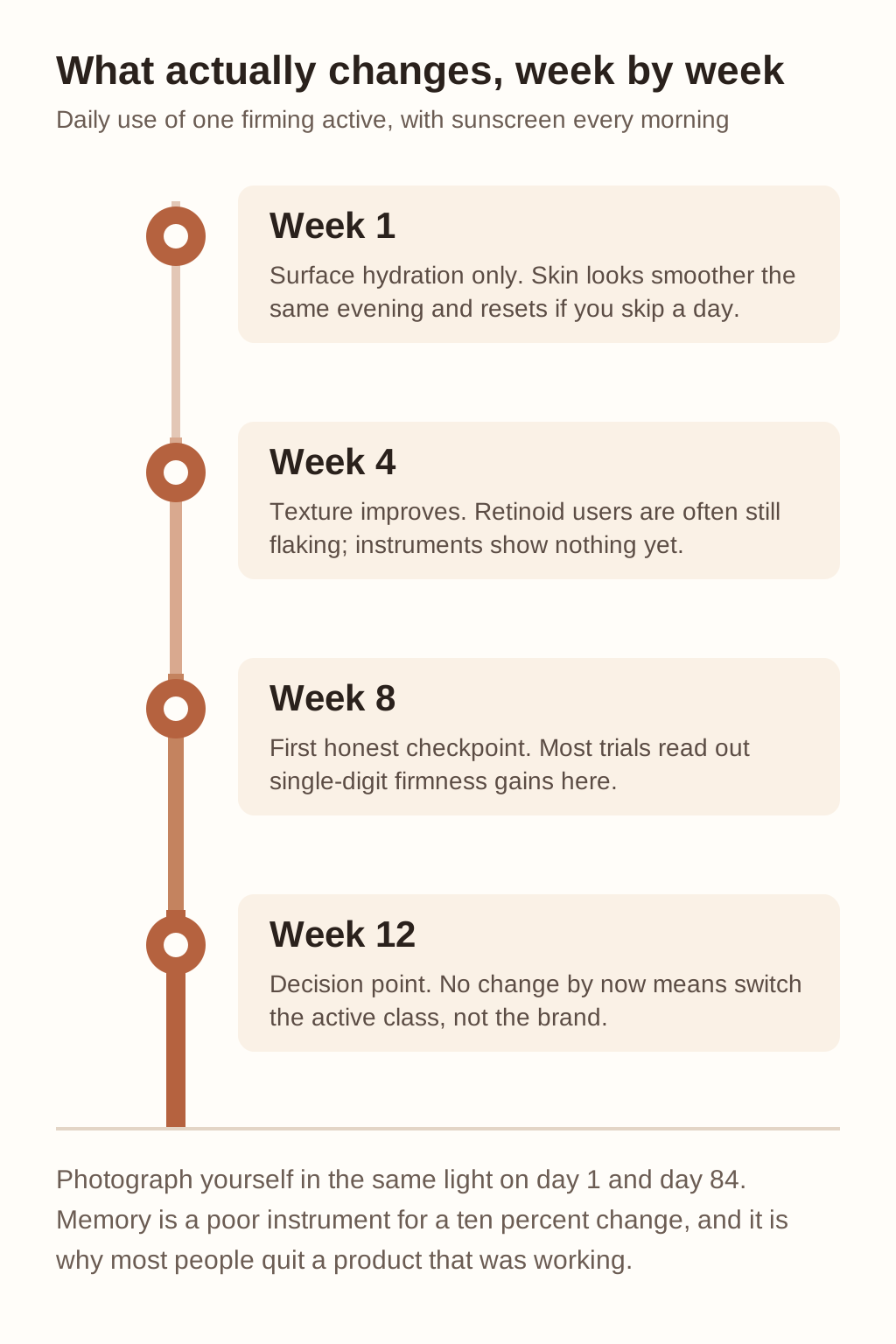
Week one delivers hydration and nothing else. Skin looks smoother by the second application because water content in the surface layer rises, and that effect resets every time you skip a day.
Week four is when retinoid users usually see texture change and, often, the tail end of the adjustment period: flaking, tightness, occasional stinging. Elasticity instruments rarely register anything meaningful yet.
Week eight is the first honest checkpoint. Most published trials of a good skin tightening cream read out firmness here, and the reported gains are single-digit to mid-teens percentages — visible in a controlled photograph, subtle in a bathroom mirror.
Week twelve is the decision point. If nothing has changed in three months of daily use with sunscreen, the formula is not going to start working in month four; switch the active class rather than the brand.
Photograph yourself in the same light, at the same angle, on day 1 and day 84. Memory is a poor instrument for a 10% change, and it is the main reason people abandon a product that was working.
Firming Cream Questions Readers Ask Most
Can a firming cream replace my moisturizer?
Usually yes. Most firming creams are moisturizers with an added active, so running both wastes money and dilutes neither. Keep a separate moisturizer only if your firming formula is too light for your skin in winter.
Do skin tightening products help after weight loss or pregnancy?
Barely. Loose abdominal skin after a large weight change is a structural surplus, not a hydration problem, and topicals do not remove tissue. They can improve texture and stretch-mark colour, which is a smaller but real benefit.
Do men need different skin firming products?
No. Male skin is roughly 20% thicker and produces more sebum, so a lighter base often suits better, but the actives and doses are identical.
What happens when I stop?
Surface hydration fades within days; collagen gained from a retinoid declines over months. Dropping to three nights a week holds most of the result.
If you want the next practical answer in your inbox rather than hunting for it, this is where to get it.
One evidence-checked firming tip a week. No product dumps.
Thanks — you're on the list.


