

Understanding Lip Hydration and Why Lips Get Dry
The human skin acts as a barrier against external aggressors, but the skin on our lips is uniquely vulnerable. Unlike the skin on the rest of the face, the stratum corneum of the lips consists of only three to five cellular layers, making it exceptionally thin and delicate.
Additionally, lips lack hair follicles, sweat glands, and sebaceous glands. This anatomical difference means lips cannot produce their own protective hydrolipidic film to lock in moisture, leading to a much higher rate of trans-epidermal water loss (TEWL) than normal facial skin.
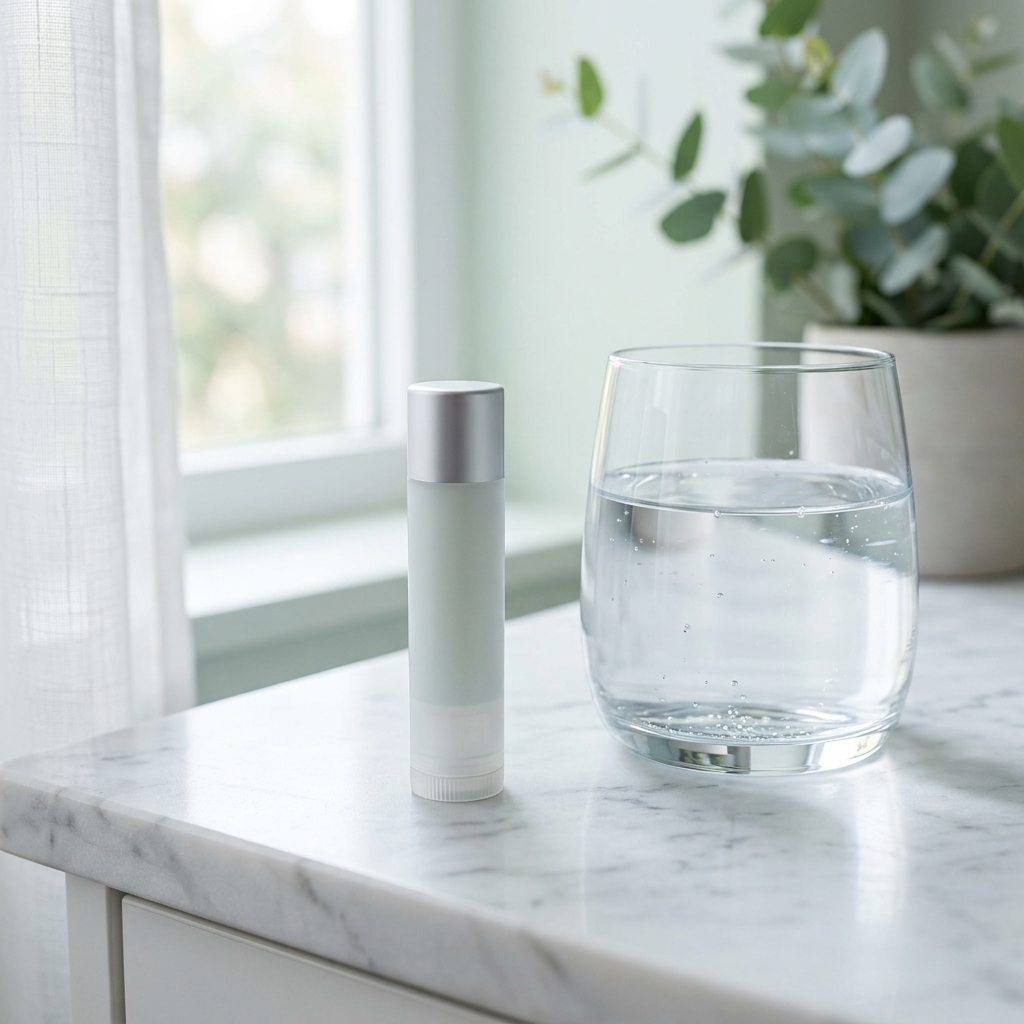
When dry climates, cold winds, or indoor heating systems draw moisture out of the outer layers of the lips, they quickly become dry, taut, and prone to painful peeling. Simply drinking water is not enough; without a physical layer to seal in moisture, any water absorbed will rapidly evaporate into the dry surrounding air.
To counteract this vulnerability, integrating specialized lip care products into your daily regimen is vital. This is why finding the best chapstick is not merely an aesthetic choice but a clinical necessity for dermal preservation.
Selecting the correct lips lip balm requires understanding how topical barriers function. When building your overall defense against harsh climates, it helps to coordinate your lip care with your broader routines. For detailed strategies on maintaining whole-body skin integrity during dry seasons, check out our complete winter skincare routine guide. With a structured approach, you can systematically prevent raw, chapped lips before the damage begins.
What Ingredients Moisturize Lips? The Science of Lip Care
To understand what ingredients moisturize lips, we must analyze the tripartite framework of moisturization: humectants, emollients, and occlusives. Humectants like glycerin, hyaluronic acid, and honey act as molecular sponges, drawing water from the deeper layers of the dermis or from the environment into the stratum corneum.
Because occlusives work best given time, a hydrating lip mask for dry lips layers those same humectants and emollients under a seal that holds water in overnight.
However, humectants alone are insufficient for lips; in dry air, they can actually pull moisture outward, worsening dehydration. Therefore, a high-quality moisturizing lip balm must pair these humectants with emollients and occlusives to secure the water molecules.
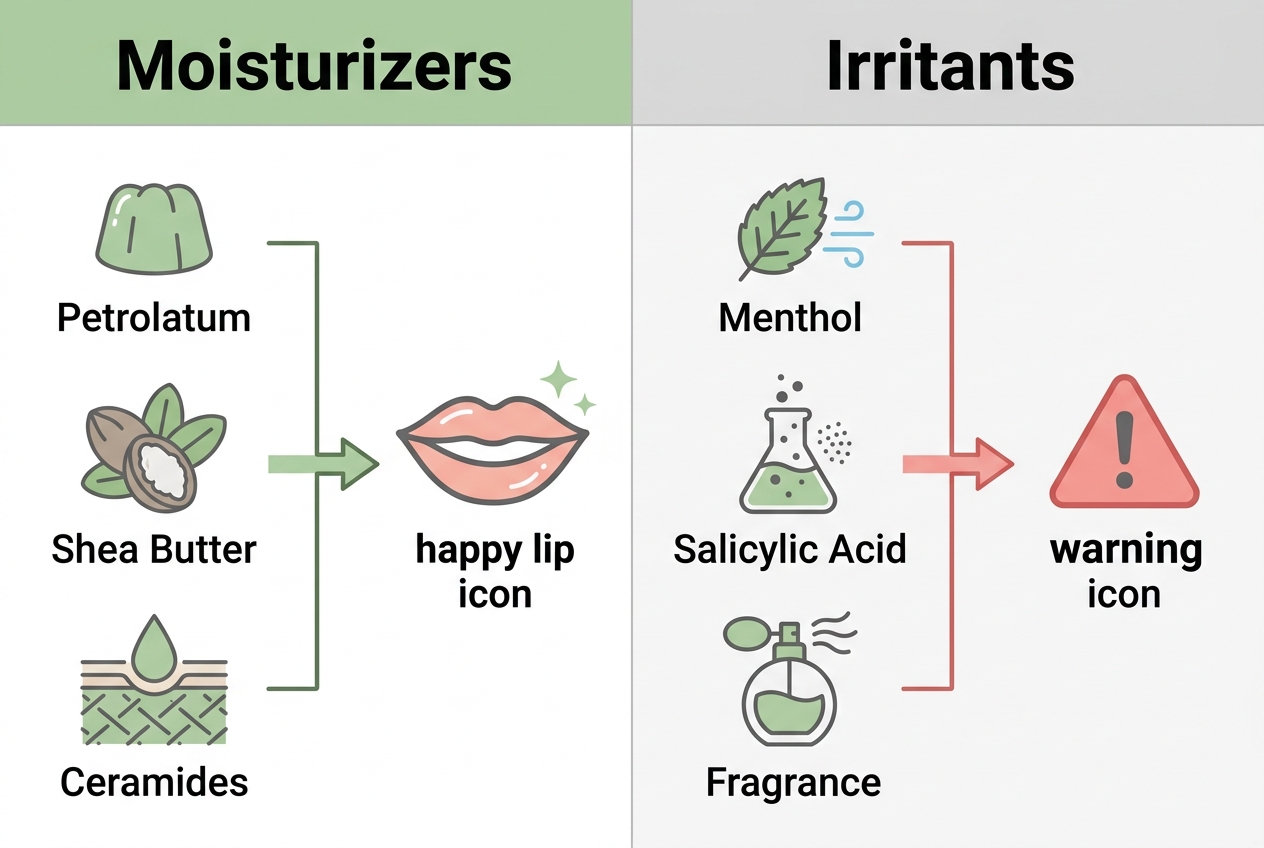
Emollients such as squalane, jojoba oil, and shea butter fill the microscopic crevices between flaking skin cells, smoothing the lip texture and restoring flexibility. For deeper therapeutic benefit, a targeted lip cream or specialized lip cream for dry lips often contains a higher ratio of these emollients alongside ceramides, which actively repair the lipid barrier.
Once the lips are softened, occlusives like petrolatum, dimethicone, and beeswax form a physical, hydrophobic barrier that prevents water from escaping into the atmosphere. This complex sealing mechanism is what distinguishes clinical formulations from basic cosmetic glazes.
It is equally critical to understand what to avoid. Many commercial balms incorporate synthetic fragrances, essential oils, or cooling agents like menthol and camphor. While these provide a temporary tingling sensation, they are frequent sensitizers that can trigger contact dermatitis, ironically causing more inflammation and peeling.
Choosing a non irritating lip balm that is free from these common irritants is essential, especially for individuals with sensitive skin. According to a clinical allergic contact dermatitis on lips study, eliminating standard fragrance allergens is often the single most effective step in resolving chronic cheilitis.
The Best Lip Balm and Chapstick Options on the Market
Finding the best lip balm depends on identifying your specific skin needs and lifestyle. Dermatologists emphasize that what lip balm works the best for one person might fail for another due to differences in allergen sensitivity, environmental exposure, and the current state of the skin barrier.
If you want sheer color along with the comfort, keep in mind that tinted lip balm shades can look quite different from one person to the next depending on undertone and lip depth.
For daily, preventative maintenance, a lightweight yet deeply protective formula is ideal to prevent moisture loss during active hours. Conversely, severe cases of chapping require barrier-restoring compounds designed to work during overnight recovery cycles.
Daily Hydration and Environmental Protection
Preventing dryness throughout the day requires a best moisturizing lip balm that glides on smoothly without leaving a heavy, sticky residue. This type of product should offer a balanced ratio of natural emollients to maintain elasticity and lightweight occlusives to block windburn.
Intensive Overnight Barrier Repair
For damaged or extremely dehydrated lips, a more intensive, barrier-restoring treatment is necessary while you sleep. Overnight is when the body undergoes natural repair processes, and because you are not drinking, speaking, or eating, active ingredients have more time to penetrate the skin. A top-tier best hydrating lip balm designed for nighttime wear typically incorporates lipids and ceramides to rebuild the skin's defense systems.
When evaluating good chapsticks for chapped lips, always prioritize formulations that emphasize physiological lipids (ceramides, cholesterol, and free fatty acids) over pure wax. While wax-heavy sticks keep the product firm in your pocket, they often form an inflexible coat that fails to deliver actual moisture to the dry tissues underneath.
How to Choose the Best Chapstick for Dry Lips
Selecting the best chapstick for dry lips requires matching the product's formulation to both your immediate environmental conditions and your underlying skin type. If you live in an arid, high-altitude environment, your skin faces a continuous onslaught of dry air, which accelerates trans-epidermal water loss. In such settings, standard wax sticks will not suffice; you need a dedicated best lip balm for dry lips that features robust occlusive ingredients, such as petrolatum or heavy plant butters, to physically lock moisture down.
Before you commit to a tube, it helps to review the label checks for lip balm for chapped lips so the formula you pick matches both your climate and your skin type.
Evaluate Environmental and UV Factors
Sun exposure is another critical, yet frequently overlooked, variable in lip health. The lips have minimal melanin, leaving them highly susceptible to UV-induced damage, which can degrade collagen and lead to chronic dryness or actinic cheilitis. If you spend significant time outdoors, look for a best lip conditioner for dry lips that incorporates broad-spectrum SPF. This shields the lips from UV rays while active emollients work to soothe raw tissue.
Prioritize Structural Repair Over Temporary Coatings
Rather than relying on a temporary coat that simply sits on the surface, look for a formulation that functions as a best lip moisturizer by actively delivering key lipids back into the skin layers. A superior formula mimics the skin’s natural barrier structure to repair cracks.
Having the best product for dry lips close at hand—whether in your pocket, desk drawer, or bag—ensures you can reapply the formula immediately when environmental conditions change. To understand more about managing barrier issues across other areas of your face, read our detailed guide on how to treat dry skin on face.
Common Mistakes to Avoid When Treating Chapped Lips
When dealing with dry, peeling lips, many people accidentally engage in habits or use products that worsen the condition. A typical error is using a highly fragranced or medicated lip balm for chapped lips that promises instant cooling relief. Ingredients like menthol, camphor, and phenol produce a temporary tingling sensation that masks irritation, but they actually strip away the natural protective oils of the lips, creating a dependency cycle where you must apply the balm constantly.
Avoid the Licking and Evaporation Trap
Another common habit to break is licking your dry lips. While saliva provides a momentary sensation of wetness, it evaporates rapidly. As it evaporates, it carries away any remaining natural moisture from the lips. Furthermore, saliva contains digestive enzymes, such as amylase and maltase, which can degrade the fragile barrier of the lips, leading to a condition known as lip lick dermatitis.
Reject Irritating Flavorings and Botanicals
When selecting the best chapstick for chapped lips or the best lip balm for chapped lips, you must inspect the ingredient list for potential contact allergens. Botanical oils like peppermint, eucalyptus, and citrus oils are common culprits of irritation. Instead, look for a minimalist, hypoallergenic lip balm for sensitive lips that relies on soothing, clinical-grade protectants.
Using a designated best lip moisturizer for chapped lips that focuses on barrier repair rather than sensory distraction will allow your skin to heal. For more evidence-based practices, consult the American Academy of Dermatology lip care tips, which recommend sticking to fragrance-free, bland ointments during acute flare-ups.
Sign up for our weekly skincare newsletter to receive expert tips on maintaining healthy lip hydration and exclusive product discounts.
Thanks — you're on the list.
Daily Lip Care Routine for Long-Lasting Softness
Restoring and maintaining soft, healthy lips requires a consistent routine that adapts to environmental shifts. Just like a skincare regimen for your face, your lip care should be divided into protective daytime steps and restorative nighttime treatments. Utilizing a specialized lip balm hydrating formula ensures your skin cells receive continuous support throughout the 24-hour cycle.
Morning Protection and Prep
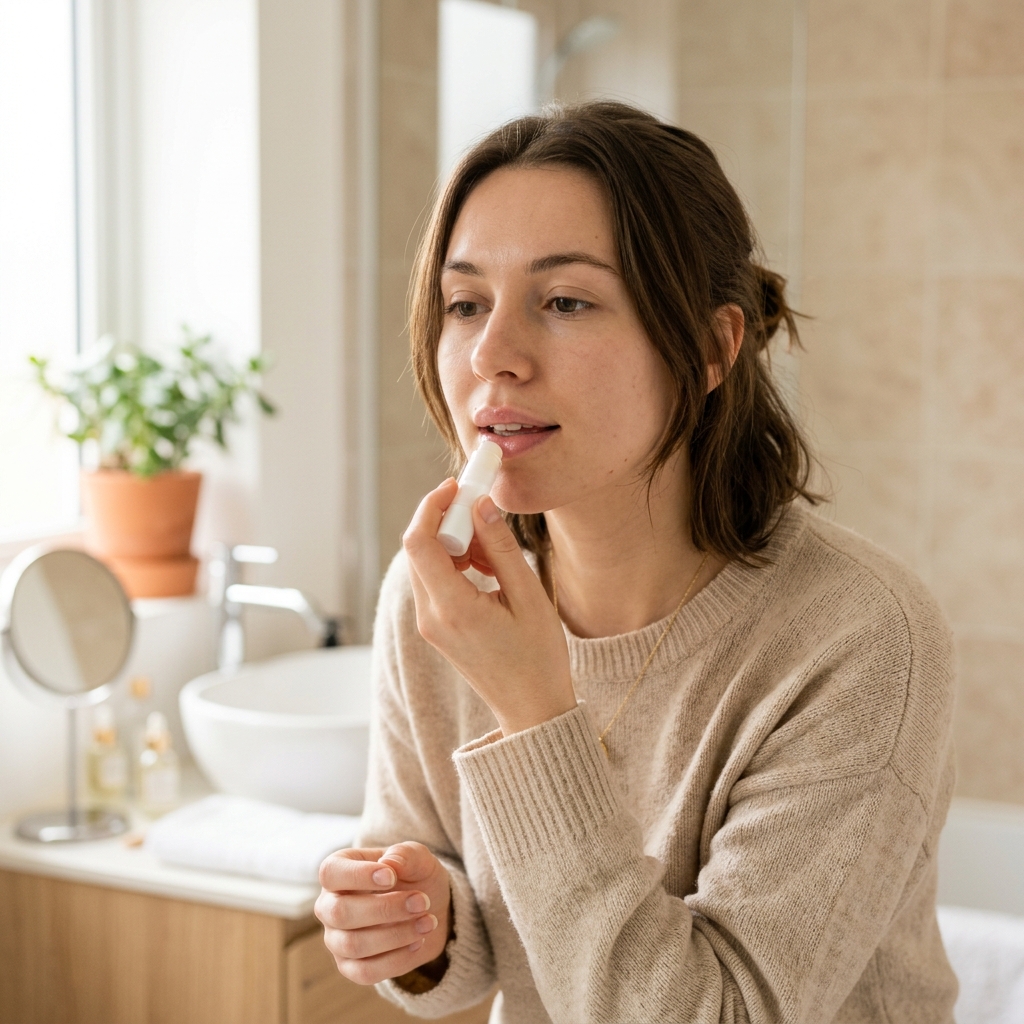
Start your morning by applying a hydrating layer to clean, damp lips. Applying your lip care immediately after brushing your teeth or washing your face helps trap surface water. If you plan to wear lipstick, apply a lightweight lip balm first, let it absorb for five minutes, and then blot the excess before applying color to prevent the lipstick solvents from drying out your skin.
Daytime Maintenance and Frequent Reapplication
Throughout the day, reapply your balm every two to three hours, especially after eating or drinking. Keep the top chapsticks for chapped lips in accessible locations so you are never tempted to lick your lips when they feel dry. If you are facing extreme cold or high winds, use a heavy-duty best chapstick for cracked dry lips to provide a physical shield against mechanical wind damage.
Nighttime Recovery Layering
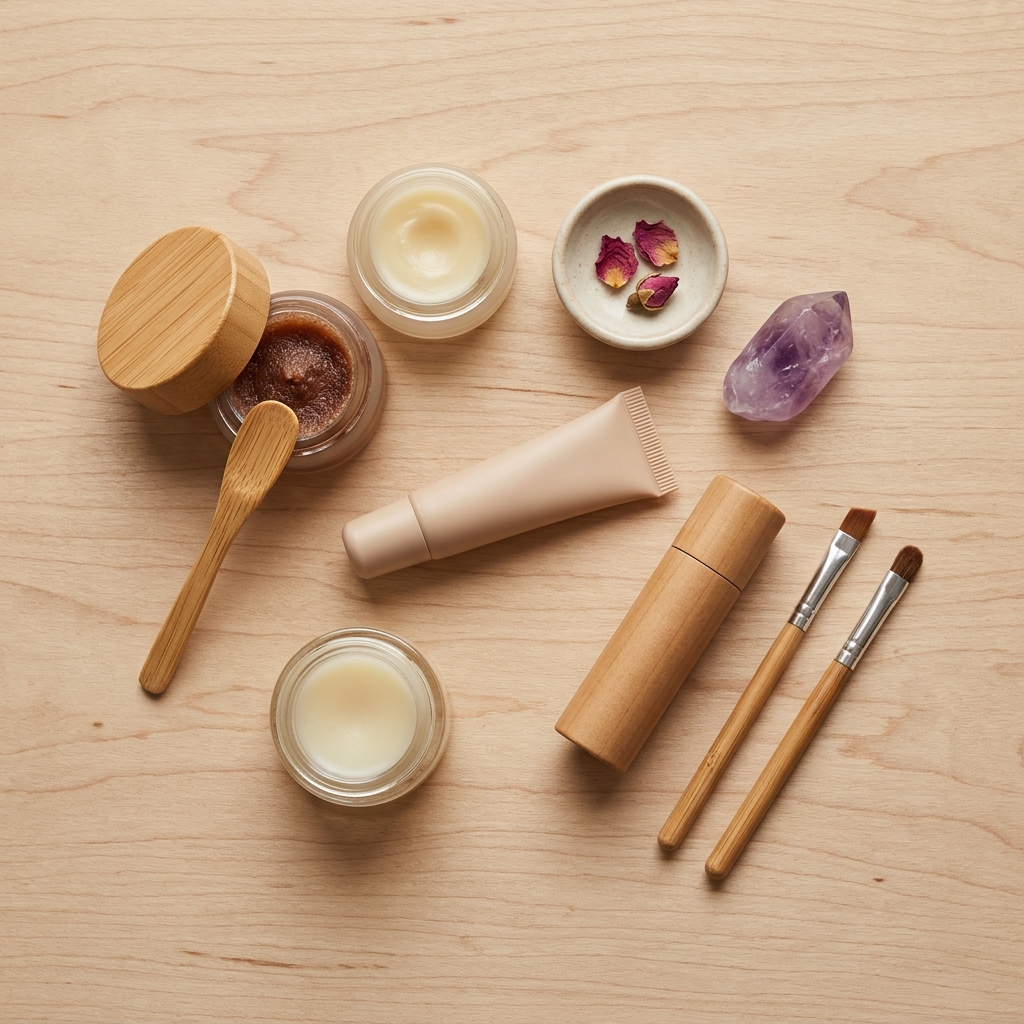
Before bed, apply a generous layer of an intensive ointment or lip cream. This creates an occlusive mask that prevents nocturnal dehydration. To boost the efficacy of your overnight treatments, look into the benefits of hyaluronic acid in cosmetics, which can help maximize moisture retention.
For severe, stubborn chapping or cracking, finding the absolute best product for chapped lips is essential to prevent secondary infections. To understand more about the clinical causes of chronic dryness, you can read the Cleveland Clinic chapped lips overview for additional expert insights.


