

What a mineral sunscreen actually is
A mineral sunscreen is defined by its active ingredient, not its marketing. In the United States only two filters qualify: zinc oxide and titanium dioxide. If neither appears in the active ingredients panel, the bottle is not mineral, whatever the front label says about being natural or reef-friendly.
Zinc oxide does most of that work, so it is worth understanding how sunscreens containing zinc oxide differ in concentration and particle size before you judge any label.
Those two minerals sit largely on the surface of the stratum corneum rather than dissolving into it. That surface behavior is why a mineral sunscreen for face is the standard recommendation after a peel, a laser session, or a microneedling appointment, and why dermatologists reach for it first with rosacea, eczema and reactive skin. Less filter migrating into the skin means fewer of the stinging and flushing complaints that send people back to a bare face.
Zinc oxide covers UVB and the full UVA range on its own. Titanium dioxide is stronger on UVB and shorter UVA, which is why you often see the two paired. Most mineral spf products for the face land between 10% and 20% zinc; below roughly 10% you rarely reach a credible SPF 30 without help.
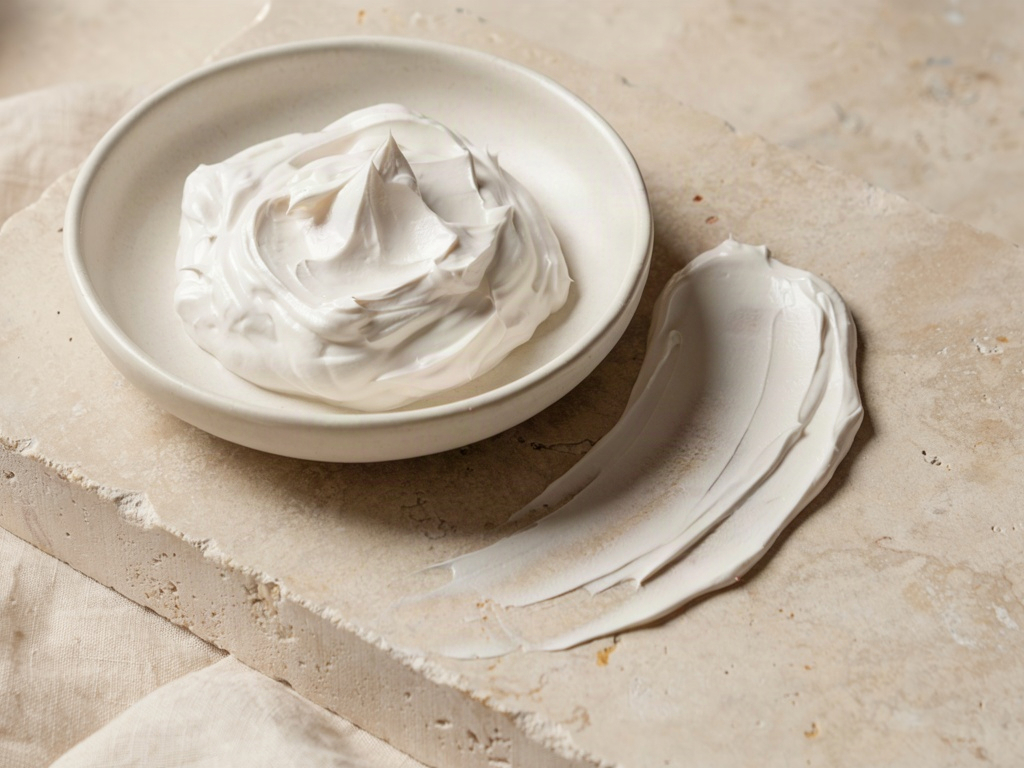
The tradeoff is texture. Mineral sunscreens are thicker, more opaque and slower to disappear than modern chemical filters, because a white powder suspended in a cream is doing the work. Everything in this guide follows from that single fact: the formula is heavier, so the way you buy it and the way you spread it matter more.
Mineral versus chemical filters: how the protection differs
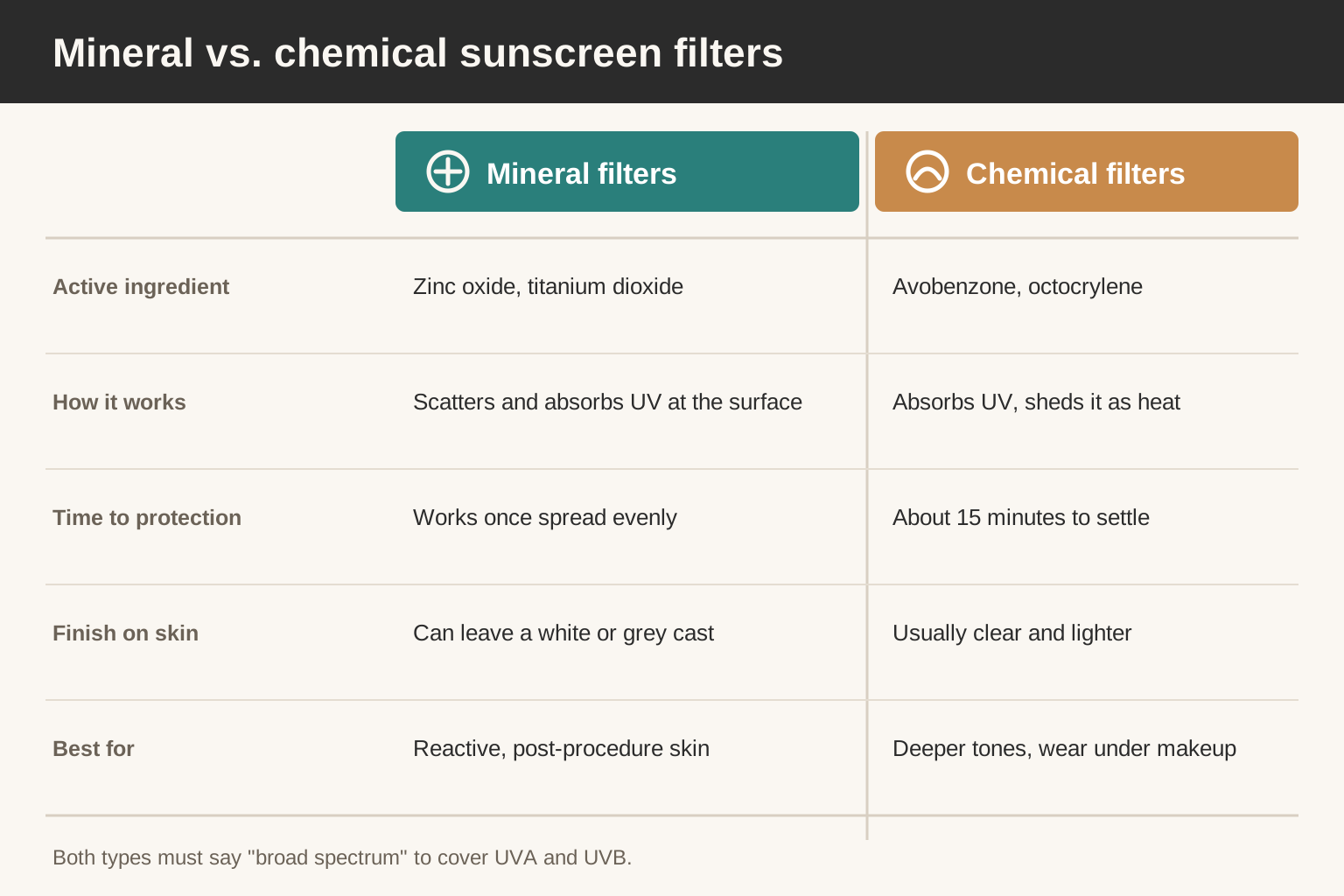
The common shorthand — minerals block, chemicals absorb — is wrong. Zinc oxide and titanium dioxide absorb the majority of the ultraviolet energy that hits them and scatter the rest. Organic filters such as avobenzone and octocrylene absorb UV and shed it as low-grade heat. Both convert radiation before it reaches your DNA; they simply do it with different chemistry.
For the other half of the comparison, how chemical sunscreen filters work covers the individual UV filters in the bottle, what the FDA absorption data actually shows, and when mineral SPF is the better pick.
Timing, stability and what the label has to prove
A mineral based sunscreen is working as soon as it is spread into an even layer, because the protection is physical rather than reaction-dependent. Most chemical formulas need roughly 15 minutes to settle into the skin before they hit their rated SPF. If you apply sunscreen in the car park rather than the bathroom, that difference is real.
Zinc is also photostable: it does not degrade meaningfully under sun exposure. Avobenzone does degrade unless it is buffered by stabilizers such as octocrylene, which is why reapplication discipline matters slightly more with some chemical formulas.
Ignore the words sunblock and sunscreen as a distinction. A mineral based sunblock, a sunblock mineral formula and mineral based sun protection all describe the same zinc and titanium actives, and the FDA discourages "sunblock" precisely because nothing blocks 100% of UV. The claim that carries legal weight is broad spectrum: only a broad spectrum mineral sunscreen has passed the UVA test that lets it cover both wavelength ranges. SPF alone measures UVB, which is the burn, not the bulk of the photoaging.
For a plain-language walkthrough of how mineral and chemical UV filters differ, it is worth reading how each filter type handles the same photon.
How to choose the best mineral sunscreen for face
Five checks separate the best mineral sunscreen for face from the bottle that ends up unused in a drawer.
- Zinc percentage between 10% and 20%. Under 10% and the SPF is usually propped up by titanium dioxide; over 20% and the cast and drag climb sharply.
- The words broad spectrum, printed on the label. No claim, no verified UVA coverage.
- Finish that matches your sebum, not your budget. Gel-cream and matte bases for oily skin; richer emulsions for dry skin.
- Fragrance position in the ingredient list. High on the list is the most common irritation trigger in otherwise gentle formulas.
- A bottle large enough that you do not ration it. A 30 ml facial bottle used correctly lasts about a month, not a season.
A mineral facial spf is formulated differently from a body lotion: finer particle dispersion, more slip, less fragrance and usually no water-resistant film former that would pill under makeup. That is why a face spf mineral product costs two to four times more per ounce, and why a mineral based sunscreen for face earns the premium if you wear it under foundation daily. If you only need it for a beach weekend, it does not.
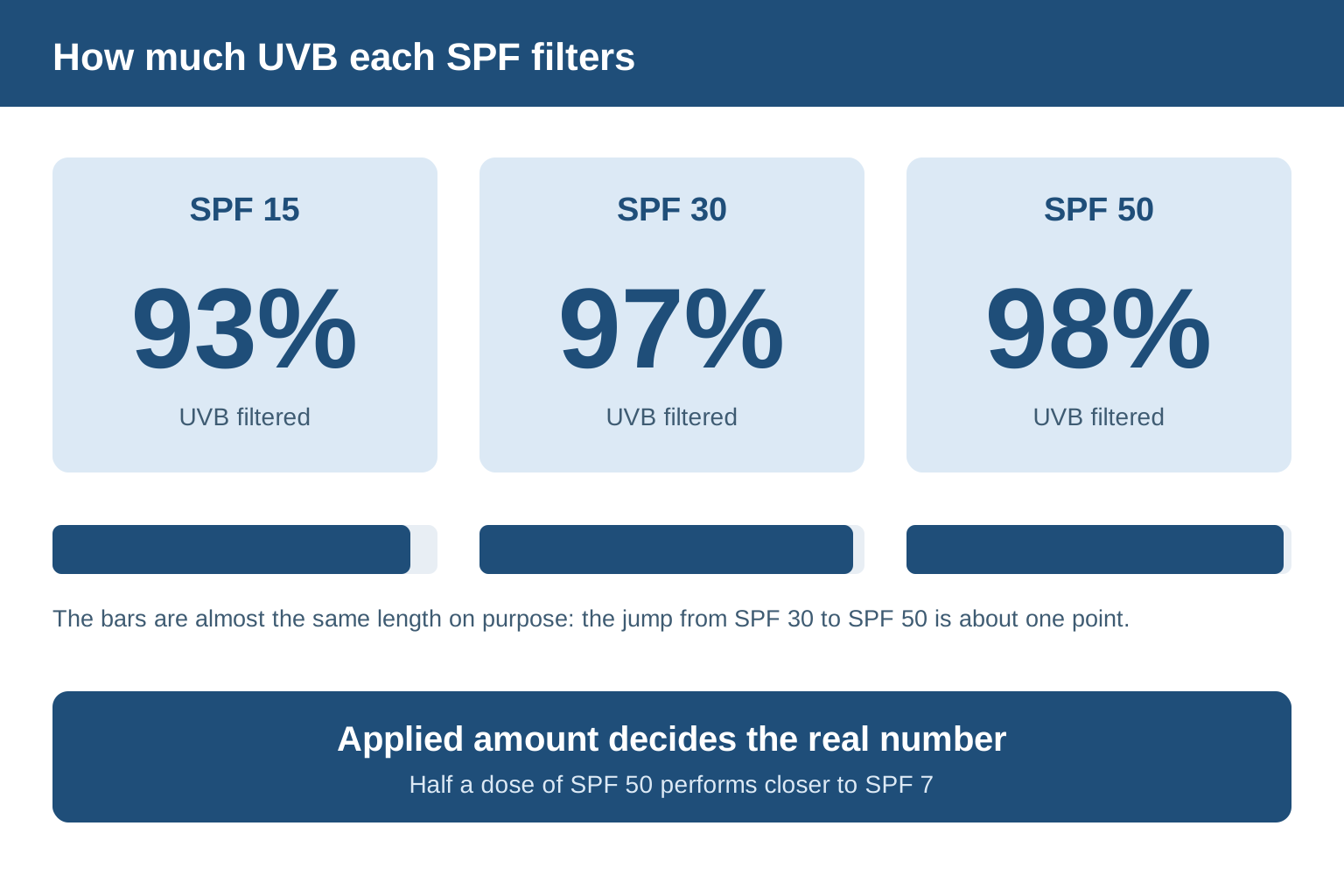
Skip SPF numbers above 50, which buy fractions of a percentage point, and skip "chemical-free" claims, which are meaningless. Also check that the shade range was built for more than mid-tones.
The honest rule: a mineral facial sunscreen you enjoy reapplying protects you more than a technically superior one you avoid. Cleansing habits feed into this too — if your face wash strips your barrier, every sunscreen will feel worse. How to Choose the Best Face Wash for Your Skin Type covers that side of the routine.
If the active ingredients panel still reads like code, this guide to how to decode a sunscreen label decodes each claim in order.
The best mineral sunscreens by skin type and budget
Ranking sunscreens one to ten is theater, because the winner depends on your sebum, your skin tone and how long you stand outside. Group them by need instead.
If breakouts drive your choice, the filters and finish that keep an SPF non-comedogenic matter more than any ranking, which is why picking the best sunscreen for acne prone skin follows its own set of rules.
Everyday face wear
Lightweight lotions and gel-creams in the 10–15% zinc range, designed to sit under makeup. Not for a six-hour hike: most lack a water-resistant film and slide off with sweat.
Sensitive and post-procedure skin
Fragrance-free, alcohol-free, usually 100% zinc rather than a zinc-titanium blend. The tradeoff is the heaviest cast in the category and a finish that reads flat on camera.
Oily and acne-prone skin
Silica-based mattifying formulas that absorb surface oil for three to four hours. They can look powdery by late afternoon and emphasize dry patches if your skin is combination rather than oily.
Deeper skin tones
Tinted formulas with iron oxides, which cancel the grey and add visible-light protection that matters for melasma and post-inflammatory hyperpigmentation. The cost is shade matching: a tint that is half a step off looks worse than a slight cast.
Outdoor sport and swimming
Thicker, water-resistant emulsions with a heavier film. They hold through sweat but feel occlusive on the face and can sting if they run into your eyes.
Across mineral sunscreen brands the differences that actually change wear are zinc percentage, the dispersion technology that keeps particles from clumping, and whether the base is a silicone, an ester or a plant oil. That last choice drives almost everything you feel on the skin. When people compare the best mineral sunscreen brands, they are usually comparing base chemistry without realizing it.
The best drugstore mineral sunscreen options now match prestige formulas on zinc content and broad spectrum testing; where they still lag is dispersion and shade range, which is exactly what you notice on deeper skin. Meanwhile the best mineral based sunscreen for a person with dry, pale, indoor-office skin is a poor choice for someone oily who runs at midday — which is why the top mineral sunscreens list is always personal.
Buying rule: purchase the smallest size available, wear it three consecutive days including a full workday, and only then commit to a full-size bottle. Sunscreen is the one product where a sample tells you almost everything. If your routine leans toward tinted coverage, Best Tinted Sunscreen for Face: Complete Buying Guide goes deeper on shade matching.
Before trusting any ranking, check independent lab testing of SPF claims, which measures whether products hit the SPF on the bottle.
Fixing the white cast on deeper skin tones
Zinc oxide is white because it reflects visible light as well as ultraviolet. That is physics, not a formulation failure, and it is why a truly clear mineral sunscreen does not exist. What the label means by clear is either micronized particles small enough to scatter less visible light, or a tint that cancels the grey.
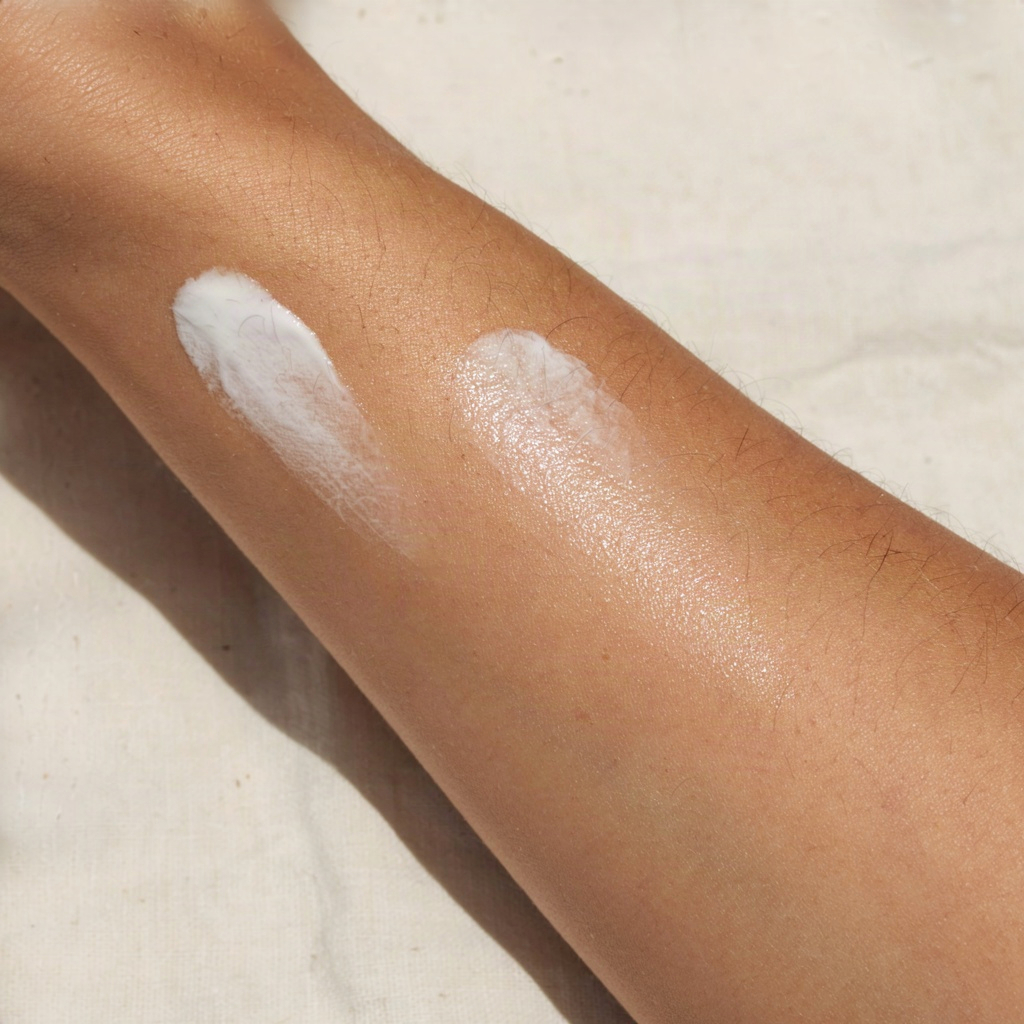
Four fixes that work
- Choose an iron-oxide tint. Iron oxides absorb the visible wavelengths zinc reflects, neutralizing the cast and adding protection against visible light that drives melasma.
- Warm the product first. Ten seconds between your fingertips lowers the viscosity and helps the emulsion break, so the zinc disperses instead of streaking.
- Layer two thin passes. One thin layer, two minutes to set, then a second. Two thin coats reach full dose with less visible film than one thick coat.
- Finish with a damp sponge. Pressing with a damp makeup sponge knocks back residual whiteness without removing meaningful product.
Set expectations honestly: searching for the best mineral sunscreen for face no white cast will get you sheer, not invisible, at a full protective dose. Anyone promising total invisibility is either underdosing or selling a tint. A light mineral sunscreen in a fluid or milk texture disappears fastest, while a mineral face sunblock in stick form is the better tool for touch-ups over makeup, ears and hairline — it lays down product without disturbing what is underneath. Sticks are not the right choice for the initial application, because almost nobody swipes on a full dose.
This walkthrough of the technique for applying zinc formulas without a grey film demonstrates the dot-and-press method in detail.
Under-eye skin shows cast first, so if that area is your priority, treat it as its own step — Circle Eye Cream Picks for Dark Circles covers what belongs there.
How much to apply and when to reapply
The dose is roughly a quarter teaspoon for the face and neck, or two finger-lengths of product squeezed along your index and middle fingers. Applied at half that, an SPF 50 performs closer to SPF 7, because SPF scales non-linearly with film thickness. Under-application, not filter choice, is why most people burn wearing sunscreen.
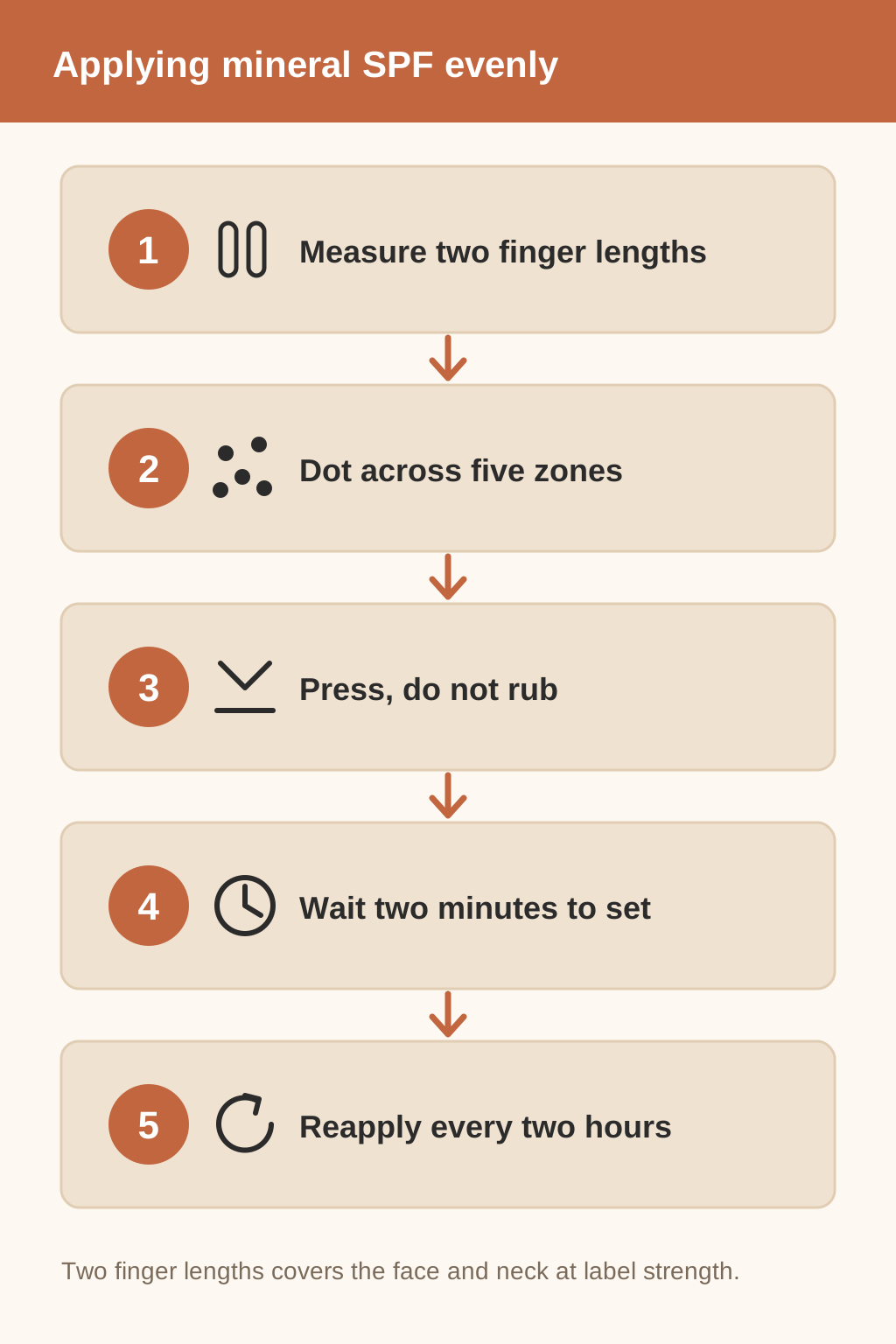
Press, do not rub. Rubbing drags the mineral film into uneven streaks and pushes it into pores instead of spreading it flat. Dot the product across five zones — forehead, both cheeks, nose, chin — then press it outward with flat fingers. Give it two minutes to set before makeup, or foundation will lift it straight back off.
Reapply every two hours outdoors, and after swimming or heavy sweating regardless of the clock. Over makeup, a stick or a pressed mineral powder is the realistic tool; both deliver less product than a lotion, so use them as top-ups on an adequate base layer, never as the base itself.
Where an SPF moisturizer fits
A mineral sunscreen moisturizer is a genuine convenience, with one condition: it only delivers its rated SPF at sunscreen quantity, which is far more than most people use as a moisturizer. If you apply a pea of it, you have a moisturizer with a rounding error of protection. For dry skin, hydrate first and layer sunscreen on top instead — Dry Skin Moisturizers: How to Pick One That Works explains what to look for in that base layer.
Order matters: water-based serums first, then moisturizer, then sunscreen last. Antioxidants pair well with mineral filters, and Best Vitamin C Serum for Face: Dermatologist-Approved Picks covers that morning step. Even the best mineral sunblock in your cabinet fails on the places you skip: ears, eyelids, the hairline part, the sides of the neck and the backs of the hands.
Beyond the face: body, water and sport
A mineral sunscreen for body is a different purchase, not a bigger version of the same thing. Full-body coverage takes about one ounce — roughly a shot glass — per application, so a face-priced formula becomes absurd fast. Body formulas trade fine dispersion for slip and spreadability, which is why they cast more but cover an arm in seconds.

Water resistance has a precise meaning. A water resistant mineral sunscreen has been tested to hold its SPF through either 40 or 80 minutes of immersion, and the number must be printed on the label. It is not a rating for an afternoon, and towel-drying removes the film regardless of the claim.
Treat anything sold as a mineral suntan lotion with suspicion: unless it carries a broad spectrum claim and an SPF of at least 30, it is a tanning product wearing sunscreen vocabulary. Tanning and sun protection are opposing goals, and a product optimized for color development is not optimized for preventing DNA damage.
Sunscreen is also the least reliable layer of a sun strategy, because it depends on you reapplying it. A wide-brim hat, UPF fabric and staying out of direct sun between 10 a.m. and 2 p.m. do their work without a timer.
For the testing protocol behind those numbers, see what water resistance testing actually measures.
Frequently asked questions about mineral sun protection
Do mineral formulas expire faster?
No. Zinc and titanium are inorganic and do not degrade the way avobenzone can. Respect the printed expiry anyway, because the emulsion and preservative system age even when the filters do not.
Do mineral sunscreens clog pores?
Zinc itself is not comedogenic and is mildly astringent. Breakouts usually trace to the base — heavy esters, coconut-derived emollients or thick silicone films — so switch the texture before you abandon the category.
Do I need an oil cleanser to remove one?
For water-resistant or tinted formulas, yes: the film is designed to resist water, so water alone will not lift it. A lightweight daily lotion comes off with a normal gel cleanser.
Why does it sting my eyes?
Sweat carries the emulsifiers, not the minerals, into the eye. Use a stick around the orbital bone, which has minimal emulsifier and stays where you place it.
Does more zinc always mean better protection?
No. Above roughly 20% zinc, added protection flattens while cast and drag keep climbing. Dispersion quality matters more than the headline percentage — 15% well-dispersed zinc outperforms 25% that clumps.
How should I store the bottle?
Out of a hot car and out of direct sun. Heat separates the emulsion, and a separated mineral spf no longer applies as an even film, which is where protection actually comes from.
Create an email signup titled 'The Sunscreen Shortlist' promising a monthly digest of newly tested mineral sunscreen brands, reformulation alerts and seasonal reapplication reminders.
Thanks — you're on the list.


