

What an Oil Cleanser Is and Why It Works
An oil cleanser is a cleanser whose working ingredient is oil instead of water plus detergent. It removes grime by dissolving it: sunscreen filters, silicones, the waxes in mascara and your own sebum are all oil-soluble, so an oil based cleanser takes them into solution the way a solvent takes up a stain. Like dissolves like. Nothing has to be scrubbed loose.
That is why using oil to wash face skin is not the contradiction it sounds like. A surfactant strong enough to emulsify modern sunscreen is also strong enough to pull out the fatty acids and ceramides that hold your barrier together. An oil based face cleanser does the heavy lifting first, so the wash that follows can be genuinely mild instead of merely marketed that way.

Oily skin benefits most, not least. Sebum is the one soil a water-based wash handles worst, and skin that has been stripped answers within hours by making more of it. Leaving the barrier and its resident bacteria intact is part of the point, and there is now a solid literature on what the skin microbiome does for your barrier.
Three formats sit under the same idea. Liquid cleansing oils in a pump are the fastest to spread and the easiest to dose. Solid balms melt on contact and travel without leaking, but a jar invites fingers. A lightweight oil based makeup remover, usually a thin ester blend, is built for eyes and rinses fastest of the three. All three are sold as oil cleansers and all three work; the difference is texture and packaging, not chemistry.
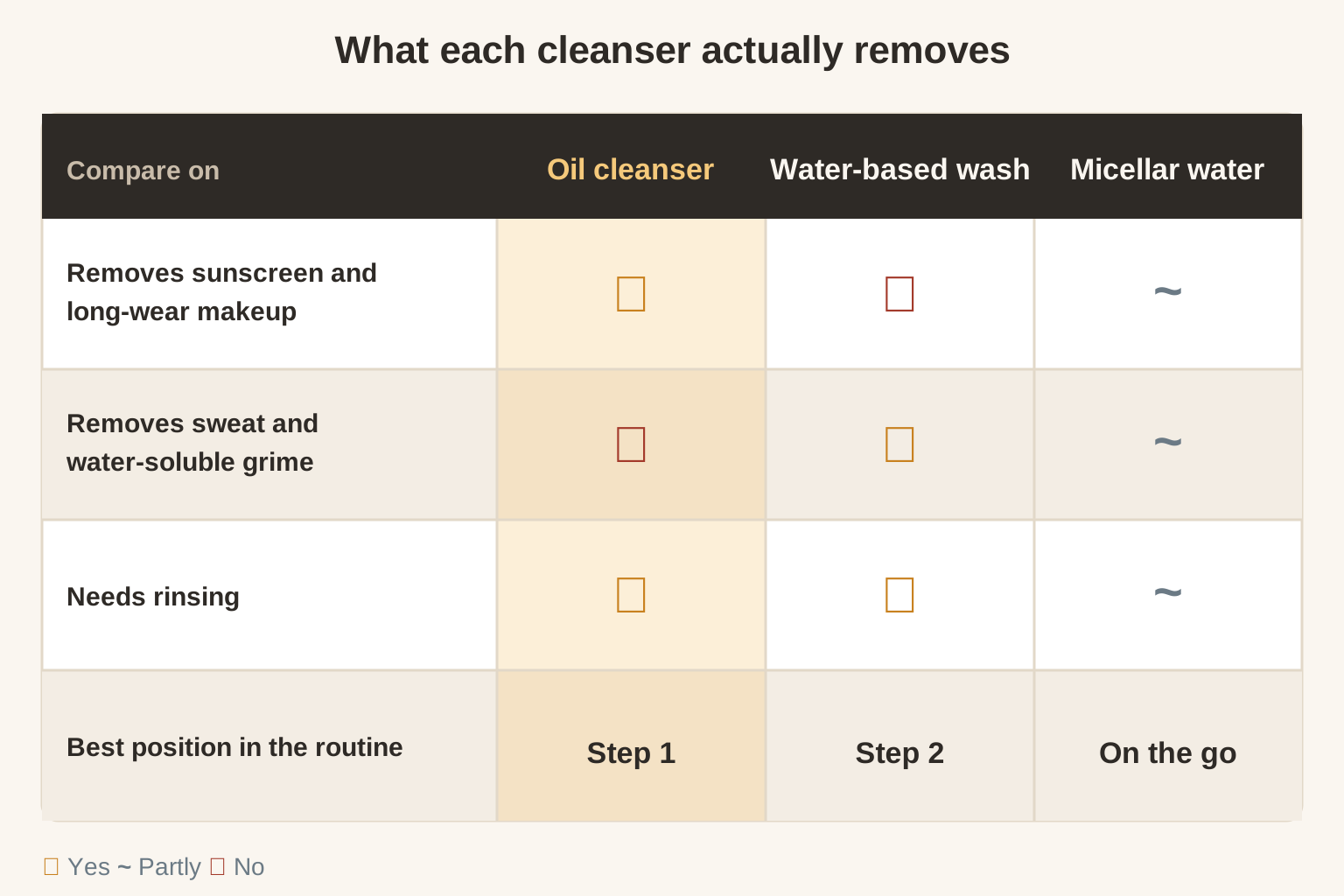
Set your expectations at step one of two. An oil cleanser for face use dissolves what water cannot, then a face wash oil based routine still needs a water-based follow-up to carry off sweat, salt and the dissolved oil itself. If you are assembling the whole sequence, start with how to build a skin care routine and slot the oil step in front of your existing cleanser.
What to Check on an Oil Cleanser Label
Four things on the back of the bottle predict how a formula will behave. Read them in this order and you can judge a good oil cleanser in about thirty seconds, without opening it.
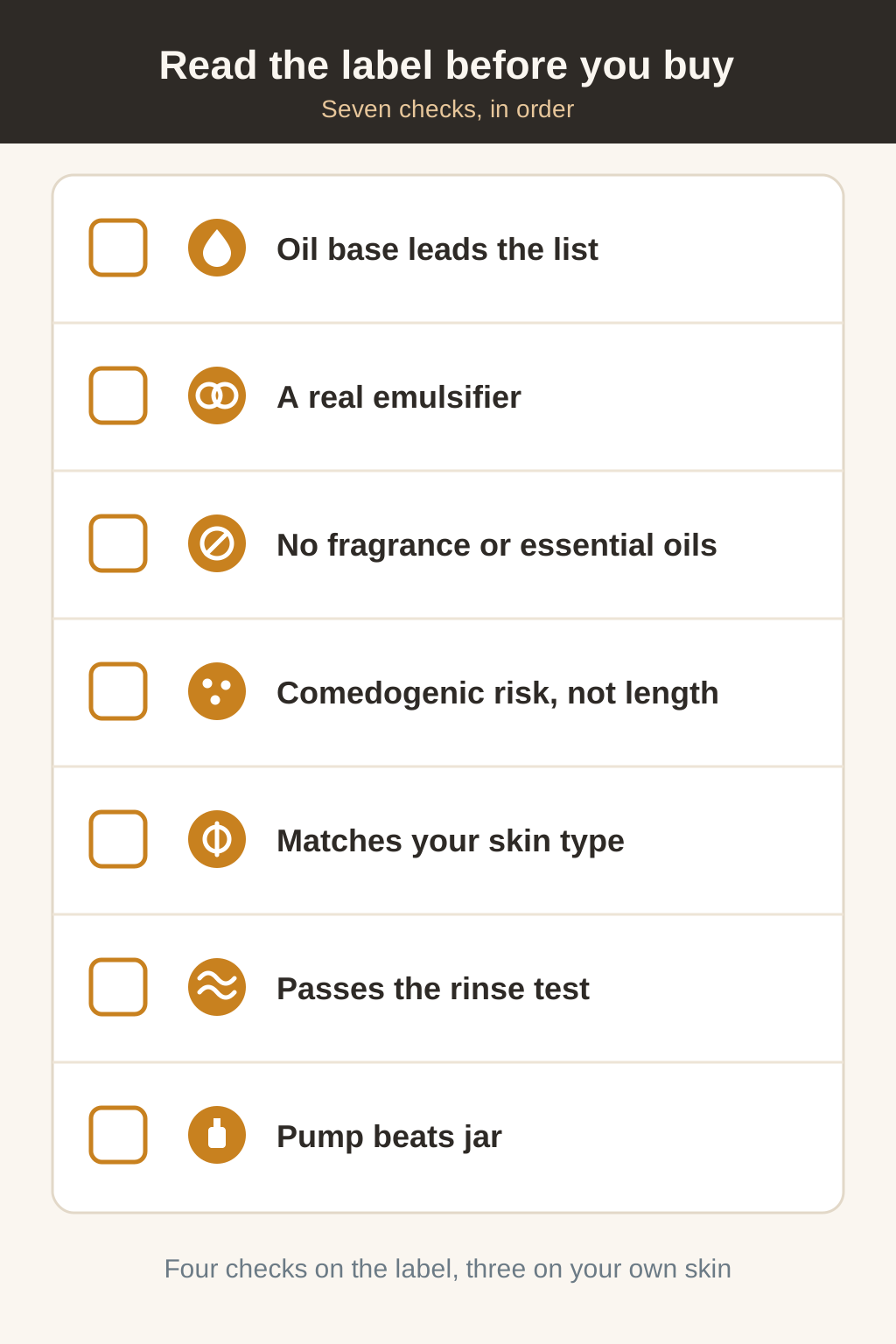
The oil base on the ingredient list
Whichever oil appears first sets the character of the product. Mineral oil and synthetic esters such as ethylhexyl palmitate or caprylic/capric triglyceride are chemically inert, do not oxidise, and rinse cleanest — the reason they dominate Japanese and Korean formulas that are used nightly for years. Plant oils such as sunflower, safflower and jojoba bring linoleic acid and behave more like a treatment; there is measurable evidence for how plant oils support skin barrier repair. The tradeoff is shelf life: unrefined plant oils turn within a year of opening and smell faintly of crayon when they do.
A real emulsifier
This is the single most ignored line on the label, and the one that decides whether you keep using the product. Without an emulsifier the oil has no way to bind water, so it smears rather than rinses. Look for polyglyceryl-4 or polyglyceryl-10 esters, PEG-20 glyceryl triisostearate, or sorbitan oleate somewhere in the first two-thirds of the list. A formula with none of them is a face oil that has been relabelled, and even the best oil cleanser leaves a film you will resent by the fourth night.

Fragrance and essential oils
Fragrance is the most common cause of cosmetic contact dermatitis, and an oil cleanser sits on the face for a full minute of massage, which is a long exposure. Limonene, linalool, citral and geraniol are the usual culprits and are declared separately in the EU. The best cleansing oil for sensitive skin lists neither "parfum" nor a botanical oil chosen for its scent. Unscented is not the same as fragrance-free — the first can contain a masking fragrance.
Comedogenic risk, not ingredient count
A ten-ingredient list is not automatically safer than a thirty-ingredient one. What matters is which oils are in it. Coconut oil, wheat germ oil and cocoa butter congest reliably; squalane, sunflower and mineral oil rarely do. If you want an oil cleanser for skin that clogs easily, screen the oils and ignore the count. Comedogenicity ratings come from rabbit-ear studies and leave-on use, so treat them as a ranking, not a verdict, for a product you rinse off in ninety seconds.
Where a drugstore oil cleanser and a prestige one genuinely differ is texture, emulsifier quality and fragrance load — not cleaning power. A well-built five-dollar ester blend removes sunscreen as completely as a forty-dollar one. The same logic applies to the second step, which is worth choosing on its own terms: see choosing the best face wash for your skin type.
What to Check for Your Skin and Your Routine
The label tells you what is inside. These three checks tell you whether it belongs on your face.
A match for your skin type
A cleansing oil for dry skin should lean on emollient plant oils and a gentler emulsifier, so a little residue stays behind and the barrier is not asked to rebuild every night. The compounds in olive oil have been studied directly on human skin cells, and the results are worth reading before you dismiss plant oils as filler: olive oil compounds tested on human skin cells. The best cleansing oil for oily skin does the opposite — fast-rinsing esters, a strong emulsifier, no butters — so nothing lingers in an already congested pore. Combination skin usually does better with the oily-skin formula plus a richer moisturiser, rather than a compromise cleanser that suits neither half.

The rinse test
Run this on the back of your hand before you commit to a full bottle. Massage a pump onto dry skin for twenty seconds, add a splash of lukewarm water, and keep working. It should turn opaque and milky within five seconds, thin out, and rinse away leaving no slip. A good cleansing oil for face fails this test loudly: if your hand still feels coated after twenty seconds of rinsing, your face will too, and that residue is what people mistake for "oil cleansers break me out". Follow-up steps also behave differently on a properly rinsed face — a hydrating layer absorbs instead of sitting on top, which is the practical case for understanding face toner benefits and purpose.
Texture, format and packaging
A pump doses consistently and keeps fingers out of the product; a jar balm does neither, which matters if you are prone to congestion. A sensitive skin cleansing oil should not ship with a scrubby spatula or a mesh puff, because friction, not the oil, is what usually stings. Thin, fast-spreading textures need less product per wash — roughly two pumps versus three or four for a heavy one, which is a real difference across a year. If you already exfoliate, keep the two jobs separate rather than reaching for a gritty product; the reasoning is in this gentle face scrub guide. Top rated oil cleansers earn the ranking on rinse and tolerance; a merely popular cleansing oil often earns it on packaging and price point.
Not sure which of these describes you? Six questions, two minutes, and you get your skin type plus the concern that should drive the choice.
The Best Oil Cleansers for Each Skin Type and Concern
Four picks, each chosen for one job rather than for being generally good, plus a budget line underneath. Every entry names who it is not for. Some links below are affiliate links, and we may earn a commission if you buy through them at no extra cost to you.

Whichever of the best oil cleansers you land on, the moisturiser that follows decides how the routine feels — dry skin in particular should read dry skin moisturizers that actually work before blaming the cleanser.
How to Double Cleanse With an Oil Based Cleanser
Dry hands, dry face. Water on either one blocks the oil from reaching what it is meant to dissolve. Warm two to three pumps between your palms, then massage in slow circles for about sixty seconds — long enough to break down sunscreen, short enough to avoid friction damage.
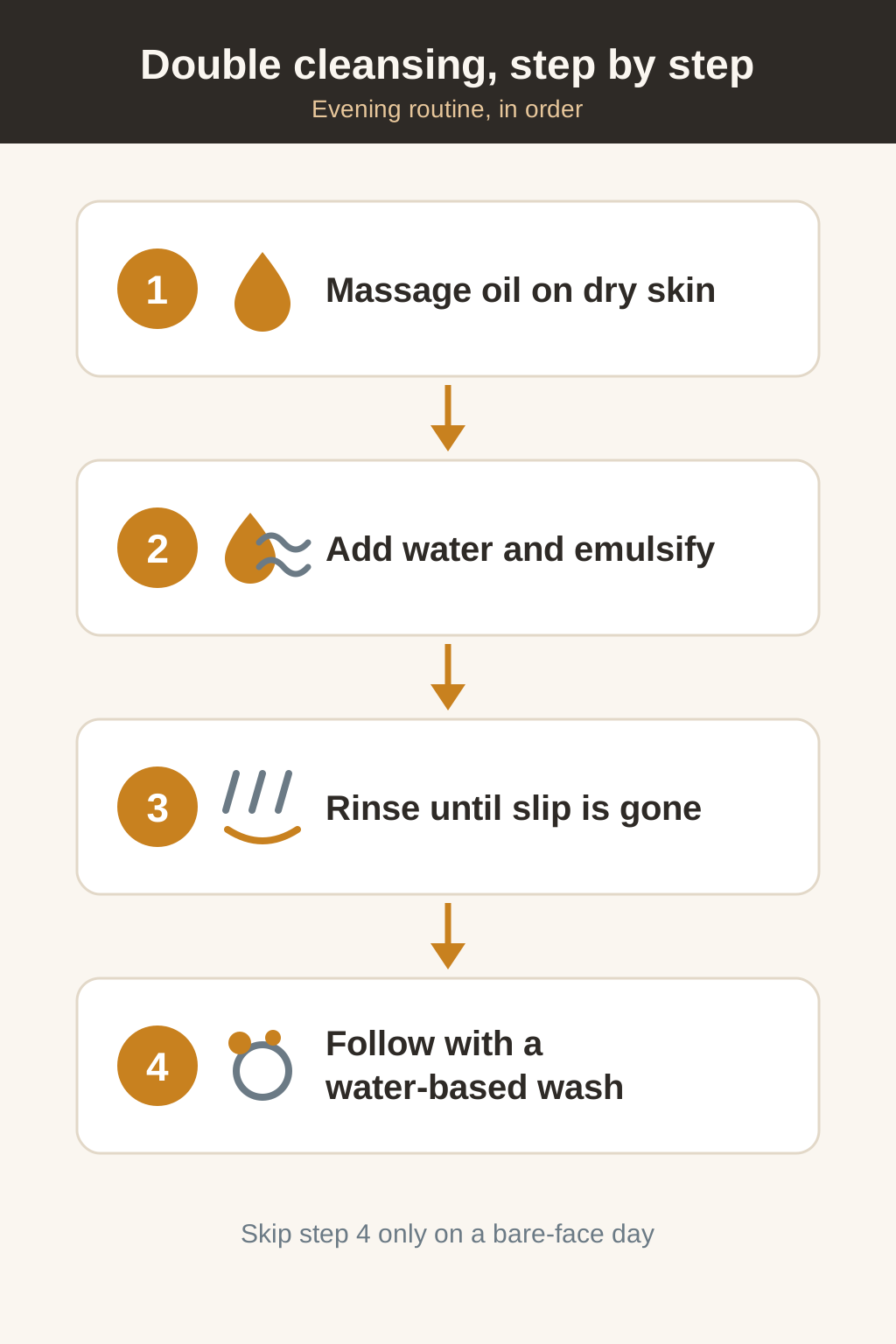
Then emulsify. Add a splash of lukewarm water and keep massaging until the oil turns milky white, which takes about ten seconds, and only then rinse. Skipping this step is why people think an oil based face cleanser clogs pores — the oil never became rinsable, so it stayed on the skin.
Oil based cleansers for double cleansing only earn the second step when there is something to remove: sunscreen, long-wear base makeup, or a day in traffic. On a bare-face day, one gentle wash is enough, and washing twice for the sake of it is how a healthy barrier gets thinned. The dermatology basics still apply here — see dermatologist guidance on washing your face.
Around the eyes, a makeup remover oil beats a soaked cotton pad because it needs no dragging: press, wait ten seconds, wipe once. That single change is often the difference between lash loss and none. To use an oil based cleanser for double cleansing without stinging, keep it off the waterline and rinse with your eyes closed rather than splashing.
Follow with a gentle water-based wash, pat dry, and moisturise within about three minutes while the skin is still damp. If your routine includes a retinoid, apply it to fully dry skin roughly twenty minutes later — the timing is covered in this retinol serum guide.
A printable seven-day tracker for morning and evening cleansing, so you can see whether double cleansing is actually earning its place in your routine.
Oil Cleanser Mistakes That Cause Breakouts and Milia
Almost every complaint about oil cleansing traces back to four habits rather than to the oil itself.
- Rinsing without emulsifying. This is the single biggest cause of the clogged pores and milia blamed on an oil cleanser for makeup removal. If the oil never turns milky, a film survives the rinse and sits under whatever you apply next.
- Using it as your only wash. Even the best oil makeup remover leaves water-soluble sweat, salt and the dissolved grime itself behind. The second cleanse is not an upsell; it is what carries the first one away.
- Hot water, rough cloths, long massages. Heat thins the barrier, muslin cloths abrade it, and three minutes of rubbing causes the flushing people attribute to the formula. Lukewarm water, bare fingers, sixty to ninety seconds.
- Reaching for kitchen oils. Coconut oil is not a cleansing oil: it has no emulsifier and congests reliably. Even well-documented single oils behave differently from a formulated product — the pharmacology of castor oil in the medical literature is a useful reminder that "natural" says nothing about how something behaves on a face.
If your skin is reactive enough that all of this feels risky, the same sensitivity usually shows up in sun protection too, and sunscreen for sensitive skin, what to buy is worth reading alongside this. Fungal acne is the one genuine exception: malassezia feeds on most plant oils and fatty acids under C16, so mineral oil or squalane-based formulas are the safer choice there.
Oil Cleanser Questions, Answered
Does an oil cleanser clog pores?
Not when it emulsifies and rinses. Clogging comes from residue, from comedogenic base oils, or from both. The research on plant oils and barrier repair supports the opposite effect for most skins: how plant oils support skin barrier repair is a reasonable starting point.
Can you use an oil cleanser for face every morning?
You can, but most people should not. Overnight your skin has produced sebum and nothing else; a plain water rinse or a mild wash handles that. Save the oil step for evenings, unless you sleep in a heavy night balm.
Do you still need a second wash on a no-makeup day?
If you wore sunscreen, yes. Modern filters are engineered to resist water and sweat, which is exactly what makes them resist a single gentle cleanse. Without sunscreen or makeup, one wash is enough.
Is a balm better than a liquid, and does price predict quality?
Balms hold on to the face longer, which suits a slow massage; liquids spread faster and suit speed. Neither is better. Price predicts texture, scent and packaging among oil cleansers far more reliably than it predicts how clean your face gets.
Want the next one of these in your inbox instead of hunting for it?
One skincare tip a week. No product dumps, no hype.
Thanks — you're on the list.

